
Studio Rental for Agency Production That Works
A campaign can look settled on the call sheet and still become difficult the moment the crew arrives. The client needs a viewing area, the art department has more set pieces than expected, the lighting package needs rigging, and the product delivery arrives on a pallet. Studio rental for agency production has to solve those practical problems before the first frame is shot.
For agencies, the right studio is not simply a good-looking room with a white wall. It is a working production facility that protects the schedule, gives directors and photographers creative control, and prevents the small access and equipment issues that turn a commercial shoot into an expensive compromise.
Why agency shoots need more than a blank studio
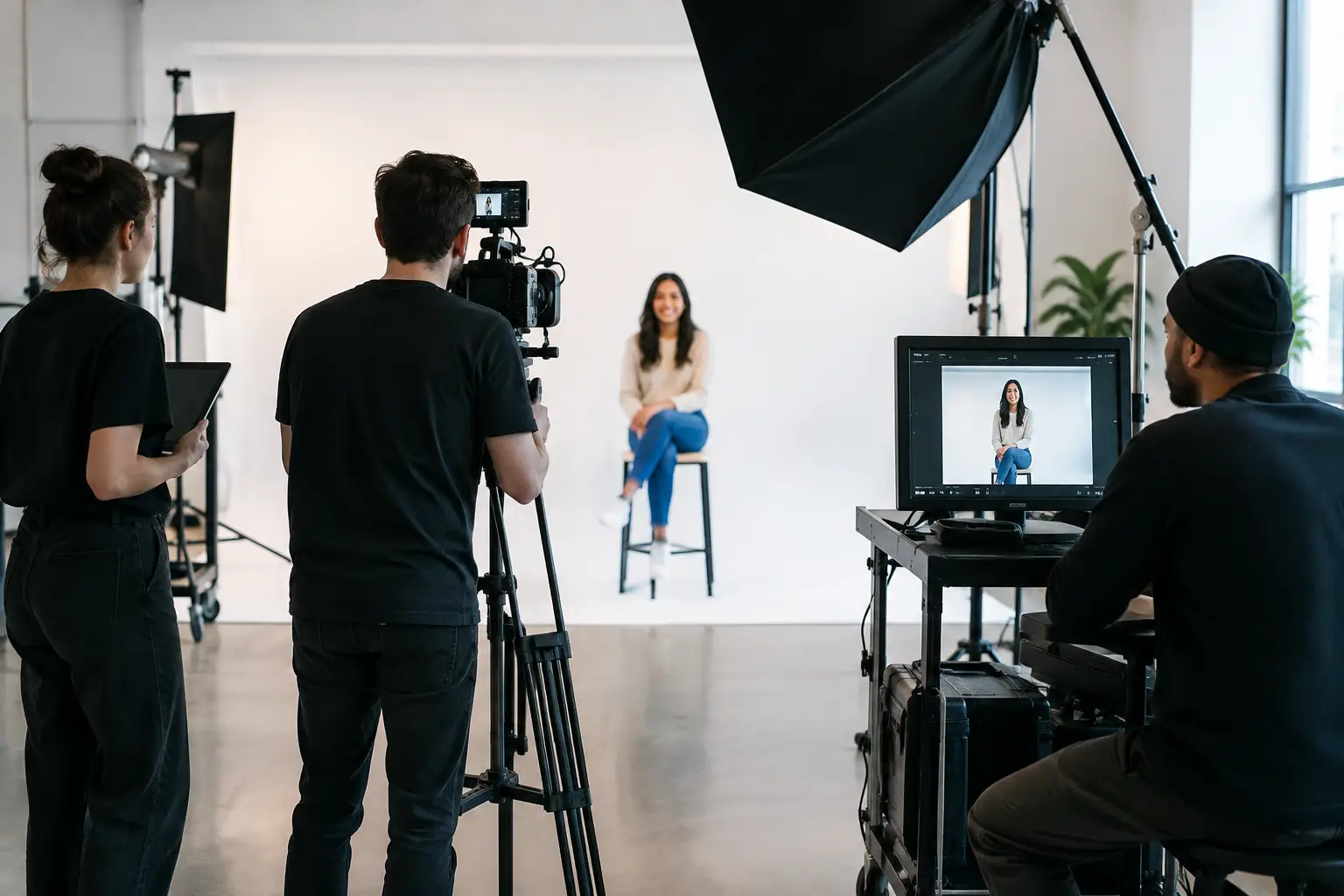
Agency productions carry more moving parts than a straightforward content day. There may be a director, photographer, producer, agency team, brand stakeholders, stylists, talent, hair and make-up, DIT, video village, art department and a larger crew all working to a tight approval process. A space that feels adequate during a recce can become restrictive very quickly.
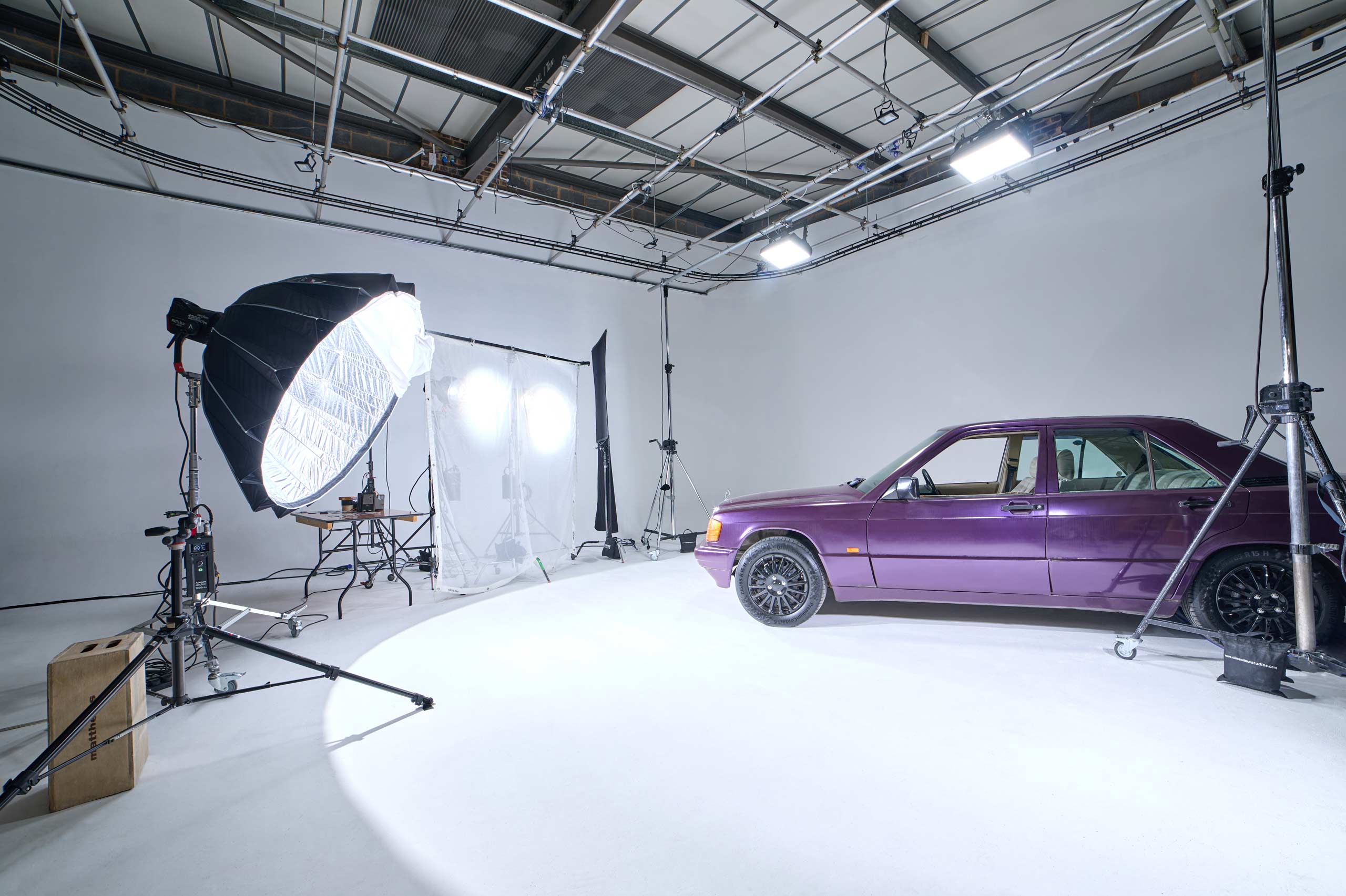
Ceiling height is a clear example. Low ceilings limit lighting angles, make it harder to shape a large source, and leave little room to keep stands and cable runs out of shot. A proper lighting grid creates a cleaner floor, better control and faster resets. It also gives the team options when a creative direction changes halfway through the day – which is not unusual when clients are on set.
Floor space matters in the same way. Agencies often need to shoot hero campaign imagery alongside cut-downs for social, behind-the-scenes footage, product details and alternative formats. That demands room for multiple lighting positions, a set, monitoring, client seating and a practical holding area. If every changeover means moving the entire crew, the apparent saving on hire can disappear in lost shooting time.
What to look for in studio rental for agency production
A studio should be selected against the real requirements of the treatment and shot list, not the minimum square footage needed to fit a camera and subject. The strongest facilities make production simpler from load-in to wrap.
Access that does not dictate the creative
Ground-floor shutter access is one of the most valuable features for commercial productions. It allows heavy props, large flats, product stock, lighting cases and set-build materials to move directly into the space. For vehicle work, drive-in access can remove an entire layer of logistical planning.
Without it, crews are reliant on lifts, narrow corridors, loading restrictions and extra hands just to get equipment through the building. That is time paid for but not spent making the work. When a production includes a large product, a constructed environment or a substantial art department, access should be treated as a core technical requirement, not a nice extra.
Free on-site parking makes a similar difference. It gives crew, suppliers and clients a predictable base, particularly on early calls, late wraps and shoots involving several vans. Central London studios may be convenient on a map but can add considerable cost and uncertainty when every vehicle is metered, restricted or forced to unload at a distance.
Technical readiness, not an empty promise
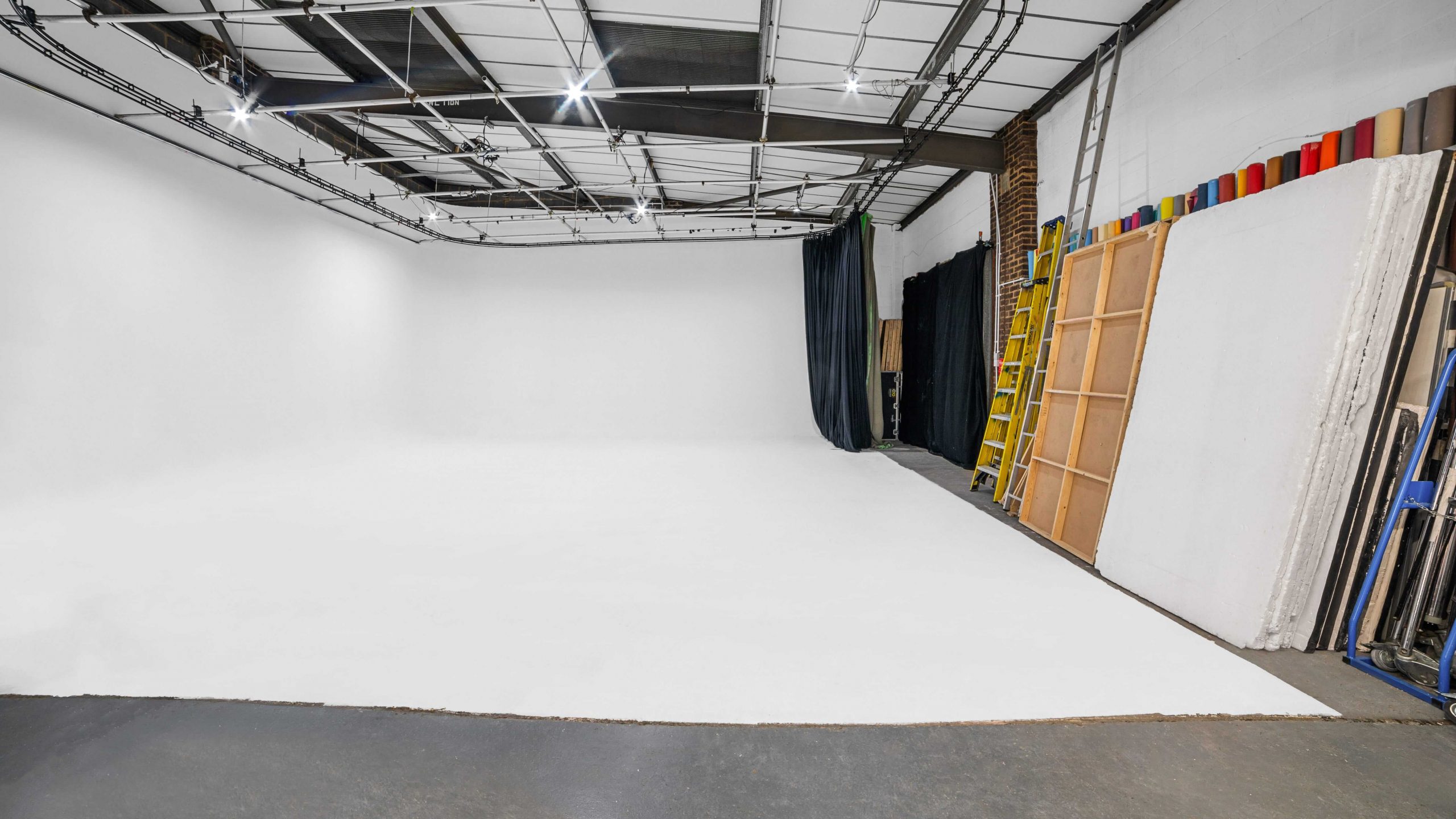
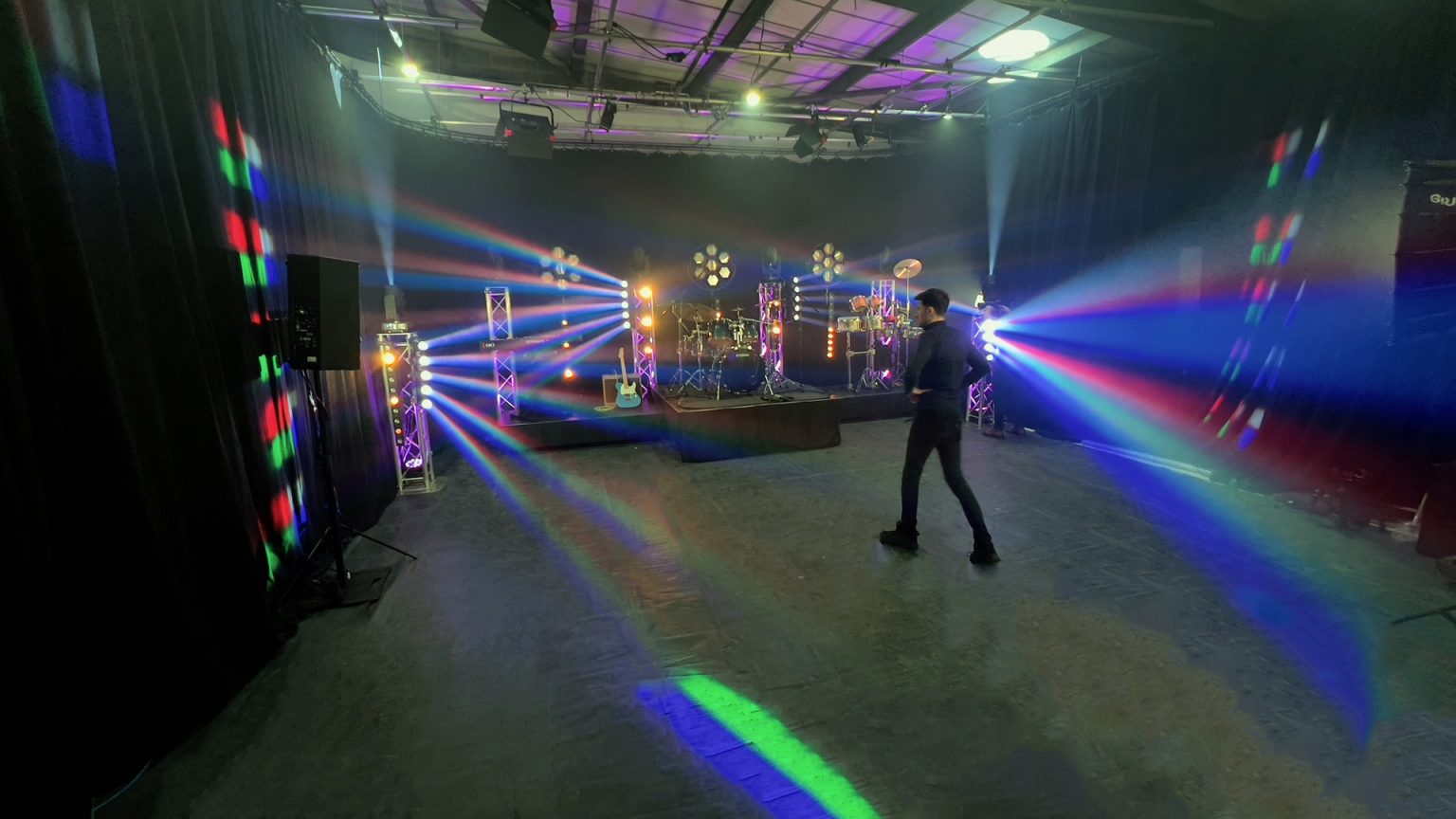
Agencies need a studio that supports the visual idea rather than forcing it into one format. An infinity cove is essential for clean product, fashion, portrait and automotive-style imagery where a controlled, continuous backdrop is required. A blackout-capable space is equally useful when the brief depends on precise lighting, projection, mood or controlled exposure.
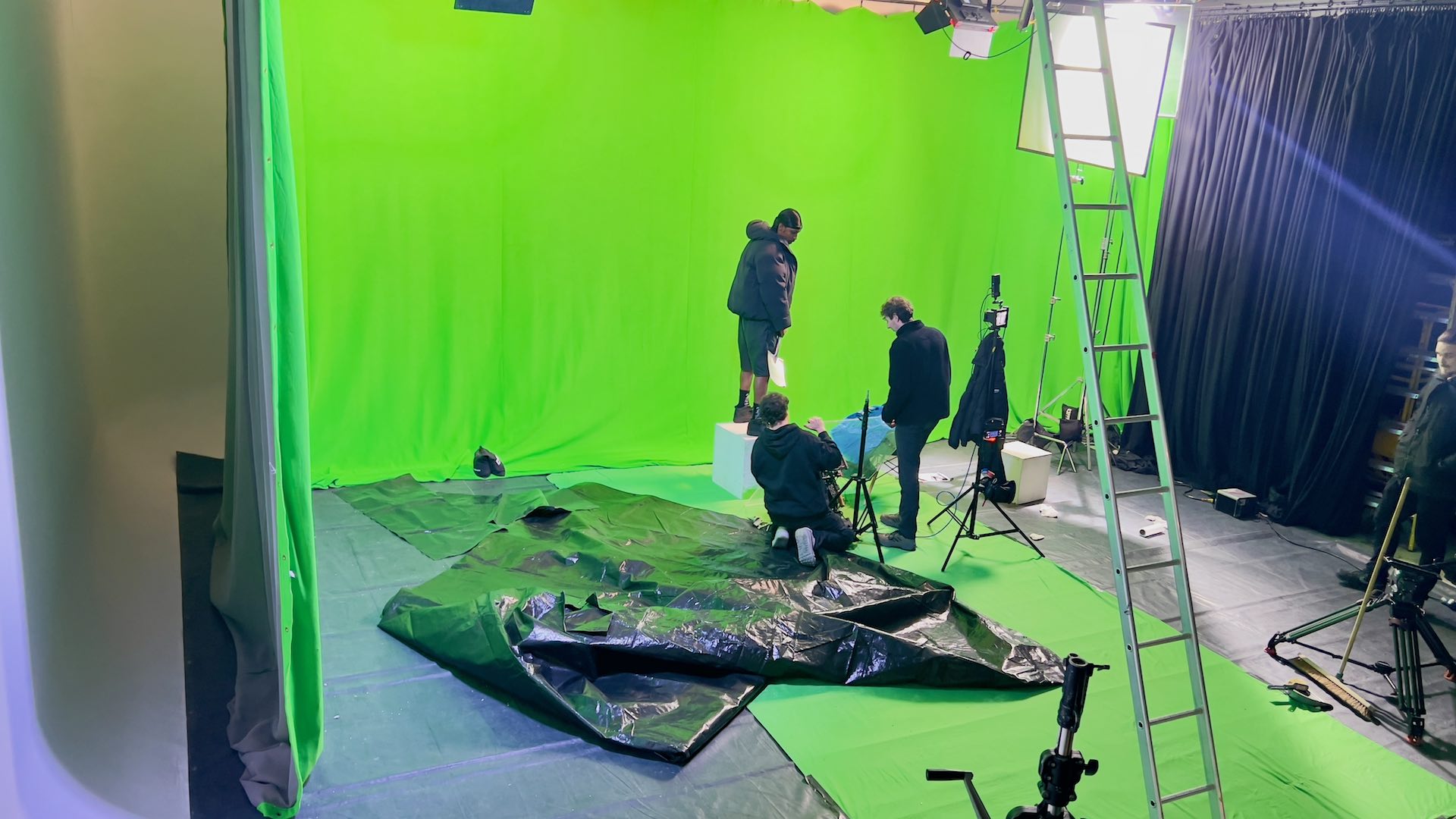
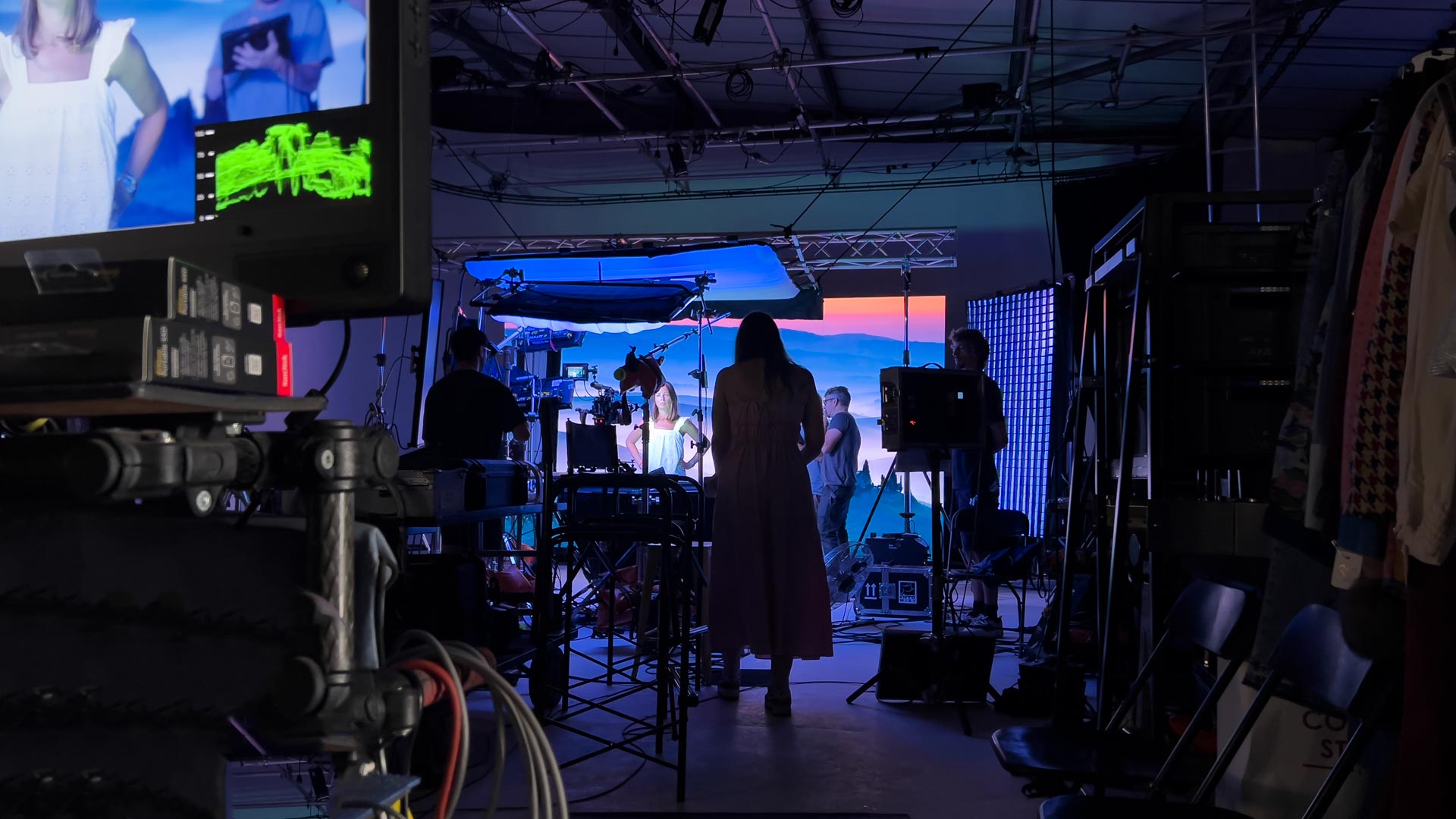
Green screen and virtual production capability widen the options further. They can support composited campaign work, digital environments and motion-led content without requiring a separate location or a costly rebuild. The right choice depends on the creative. A tabletop product shoot may need the cove and a focused lighting kit; a branded film might need a blackout studio, sound-aware workflow and room for a larger crew.
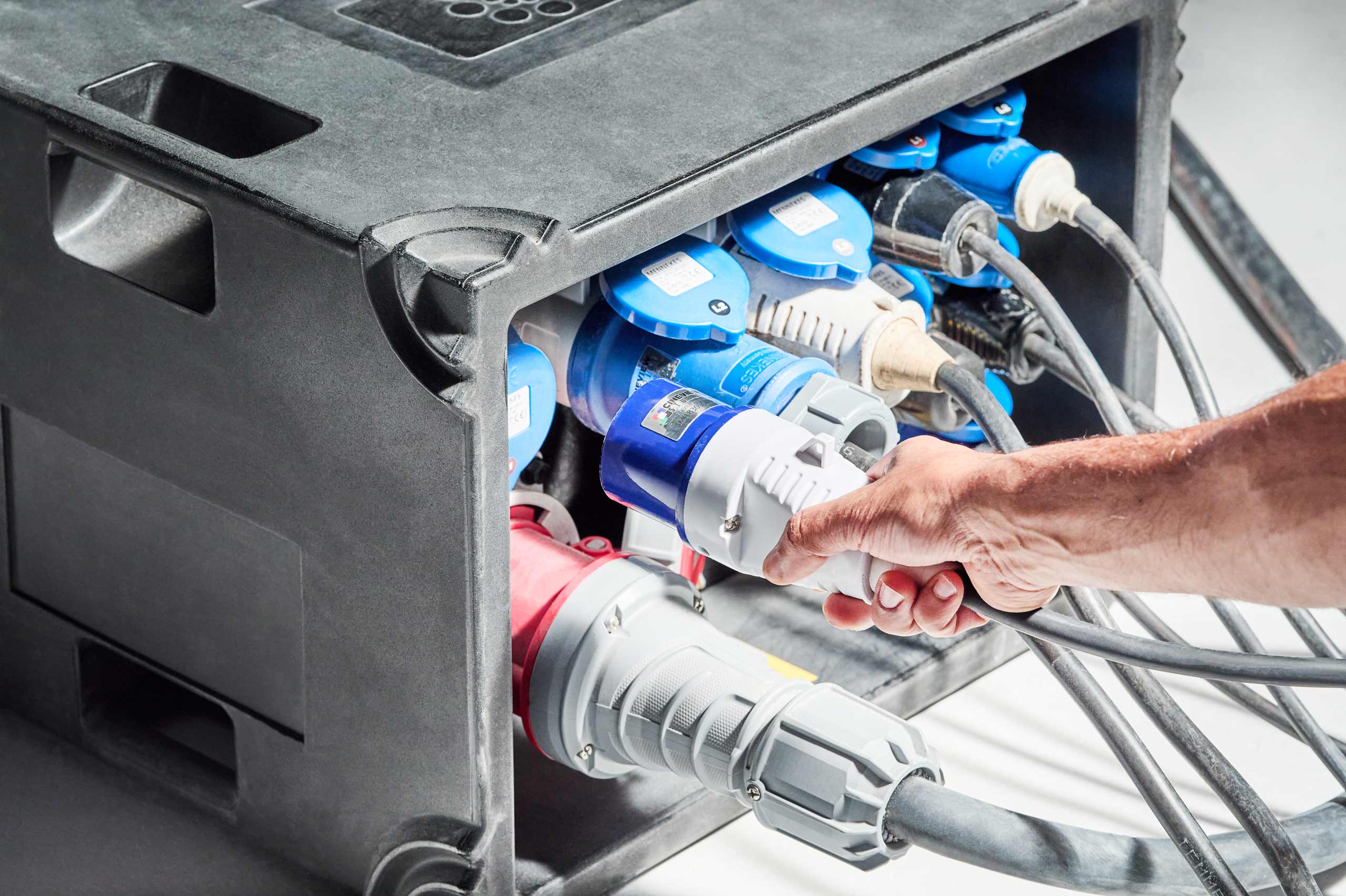
In-house lighting and grip equipment are not a substitute for a well-planned rental package, but they are a major operational advantage. The ability to add stands, modifiers, flags, frames or practical essentials on site reduces transport, supplier coordination and last-minute risk. For agency producers balancing quality against budget, this is where a studio can actively improve cost control rather than merely provide a location.
Space for clients without slowing down the crew
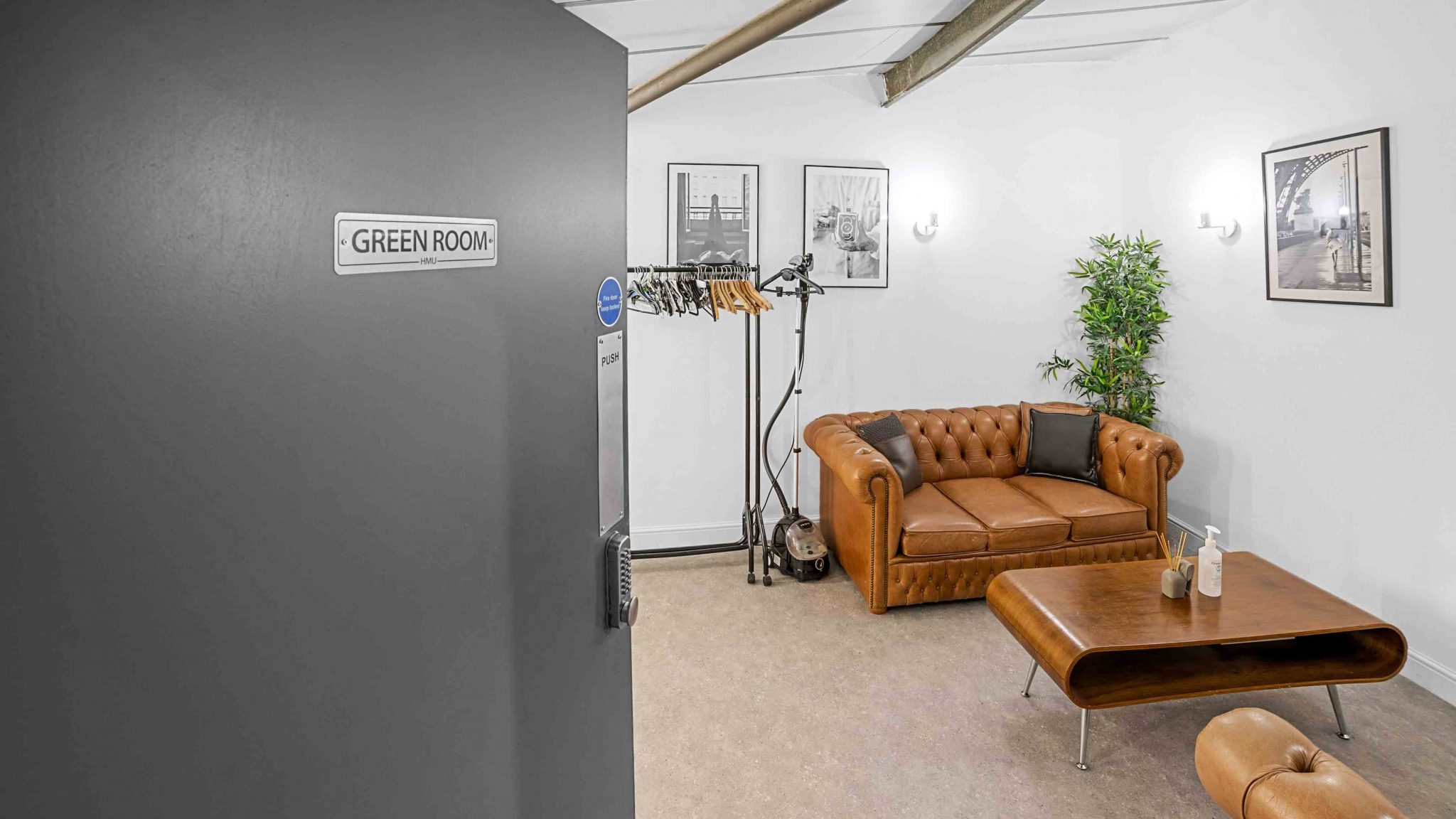
Client attendance is part of many agency productions. That does not mean clients should be sitting in the middle of cable runs or standing behind the camera because there is nowhere else to go. A client-ready setup needs a clear viewing position, space to collaborate, dependable facilities and enough separation for the crew to work without constant obstruction.
This is not about making a studio feel corporate. It is about maintaining momentum and making approvals easier. When stakeholders can see the monitor, discuss options comfortably and step away from the active set when needed, the production team can focus on delivering the work.
Build flexibility into the booking
The most cost-effective studio is rarely the one with the lowest day rate. It is the one that allows the production to load in efficiently, pre-light properly, shoot without avoidable interruptions and leave without punitive time pressure. A lower-cost space can become the expensive choice if it has restricted hours, no parking, inadequate access or a limited equipment inventory.
Pre-lighting and pre-rigging are particularly valuable for demanding commercial work. If key lighting positions can be prepared before the principal shoot day, the crew arrives ready to refine rather than build from scratch. This protects the first shots of the day, when client expectations are highest and every department is still settling into the plan.
Twenty-four-hour availability can also be decisive. It supports late-night builds, early calls, overnight set changes and schedules that need to work around talent or campaign launch deadlines. It is not necessary for every project, but when it is needed, restricted operating hours can make an otherwise suitable studio unworkable.
Plan the recce around the production, not the brochure
A recce should test workflow as well as appearance. Bring the likely shot list, lighting approach and set plan. Walk the route from vehicle to studio floor. Check where cases will sit, where talent will change, where clients will view, and whether there is enough clear space for the crew to reset safely.
Ask specific questions. Can the studio accommodate a pre-light? Is the lighting grid available for the planned fixtures? What equipment is held in house, and what must be sourced separately? Can set-build materials be delivered in advance? Is the cove the right size and condition for the required framing? If sound is relevant, what interruptions or environmental noise should the production expect?
The answers should shape the budget and schedule early. It is far cheaper to adjust a lighting plan or set footprint at recce stage than to discover on shoot day that the location cannot support the treatment.
Choose a studio that protects the work
A productive agency shoot needs enough room to think, build, light and respond when the brief evolves. It needs practical access, a usable technical infrastructure and a team that understands why ten minutes lost at load-in can affect the entire day.
Cineview Studios is designed around those production realities: a large-scale, ground-floor facility with high ceilings, lighting grid access, specialist shooting environments, equipment support and the flexibility needed for commercial stills and moving image work. The point is not to pay for more space for its own sake. It is to give the agency, crew and client the conditions to make stronger work with fewer compromises.
Before confirming a studio, look beyond the headline rate and picture the busiest hour of the shoot. If the space can handle the vehicles, crew, clients, equipment and creative ambition at that point, it is far more likely to keep the whole production moving.