
Agency Shoot Space Requirements That Matter
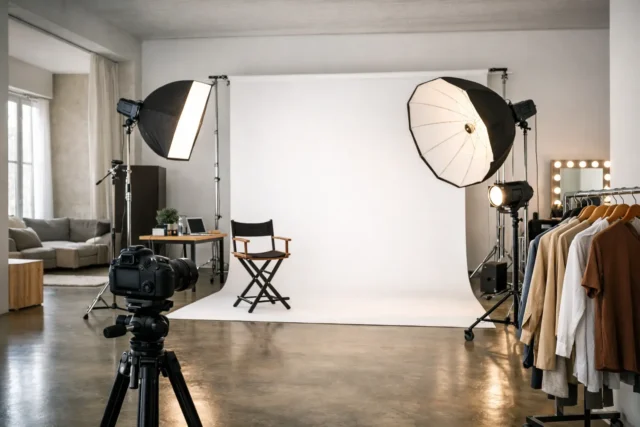
Table of Contents
ToggleA campaign can look perfectly planned on a treatment and still lose hours before the first take. The agency shoot space requirements that matter most are rarely the decorative ones. They are the practical details that determine whether a large crew can load in cleanly, light properly, reset quickly and keep a client comfortable while the work gets made.
For an agency producer, the studio is not simply a backdrop. It is a working production system. If access is poor, ceilings are low or equipment has to be hired from several suppliers, the apparent day rate can become an expensive compromise. The right space protects the schedule, the budget and the creative idea at the same time.
Agency Shoot Space Requirements: Start With the Treatment
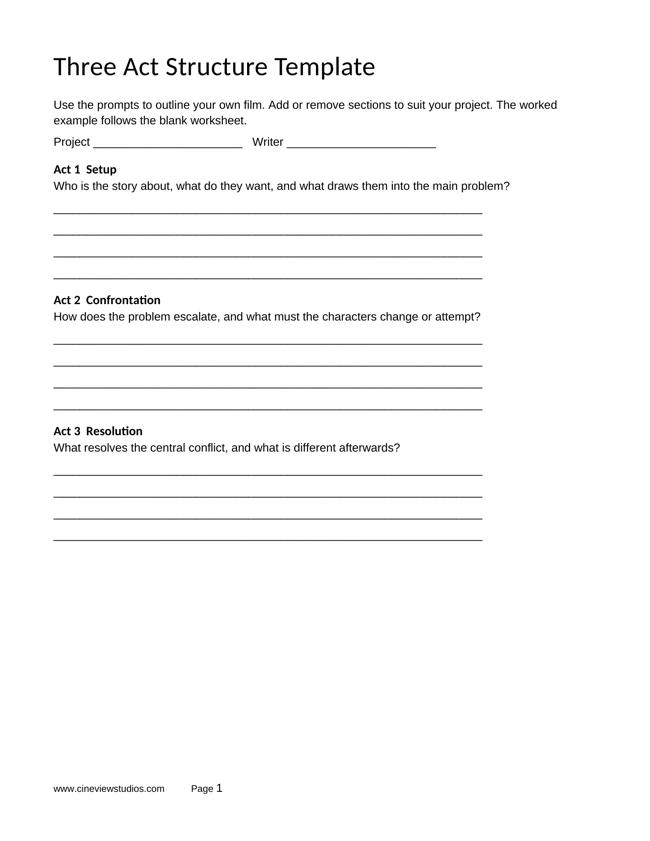
The brief should set the requirements, not a gallery of attractive studio photographs. A tabletop product shoot, fashion campaign, vehicle content day and multi-set commercial all need different amounts of floor area, height, power, blackout control and support space.
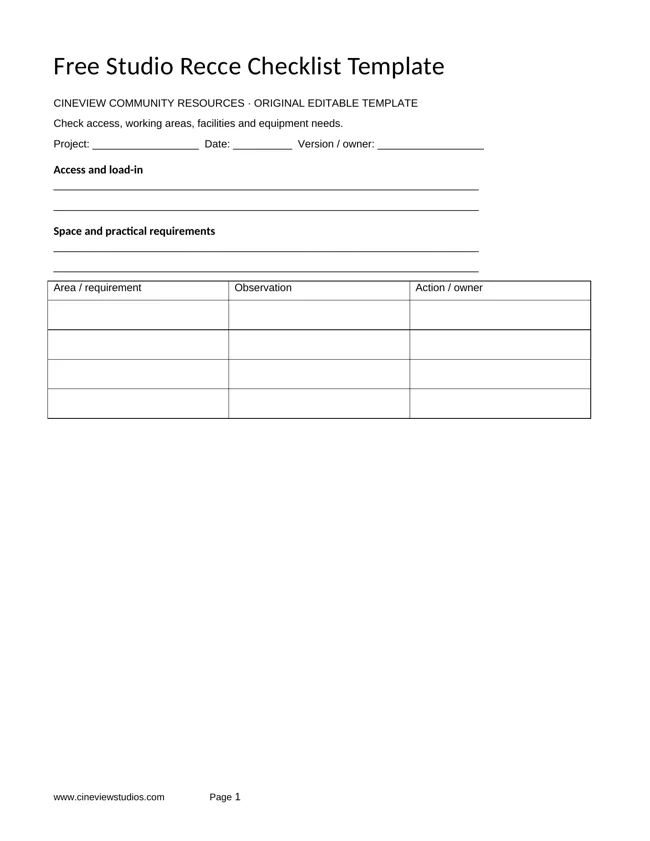
Start by mapping the largest version of the day. Include the camera department, lighting and grip, styling rails, HMU positions, client viewing, production office needs, catering, talent holding and any set-build materials. A studio that appears generous when empty can become restrictive as soon as cases, stands and people arrive.
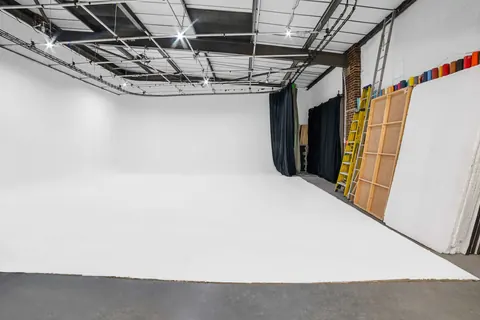
This is where agencies should be disciplined about usable space rather than headline square footage. Ask where the cove begins and ends, how much clear floor remains after a lighting set-up, and whether the crew can move around a set without repeatedly breaking the shot. Space around the subject is not a luxury. It gives the director, DoP and photographer room to change angles without rebuilding the whole floor.
For content with multiple deliverables, consider whether distinct areas can run at once. A main campaign set, a social cut-down station and a product stills set may save a full extra day if they can operate without interfering with one another. That only works when the studio has enough scale, sensible power distribution and appropriate sound separation for the brief.
Ceiling Height Is a Creative Requirement
Low ceilings are one of the quickest ways to reduce production options. They limit the distance between light and subject, make large modifiers difficult to use and often force crews into flatter lighting than the treatment calls for. They also make wide shots, boom positions and overhead rigging harder to achieve safely.
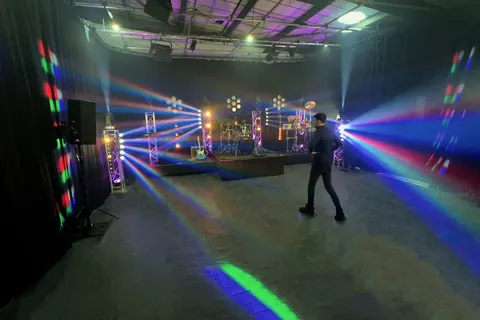
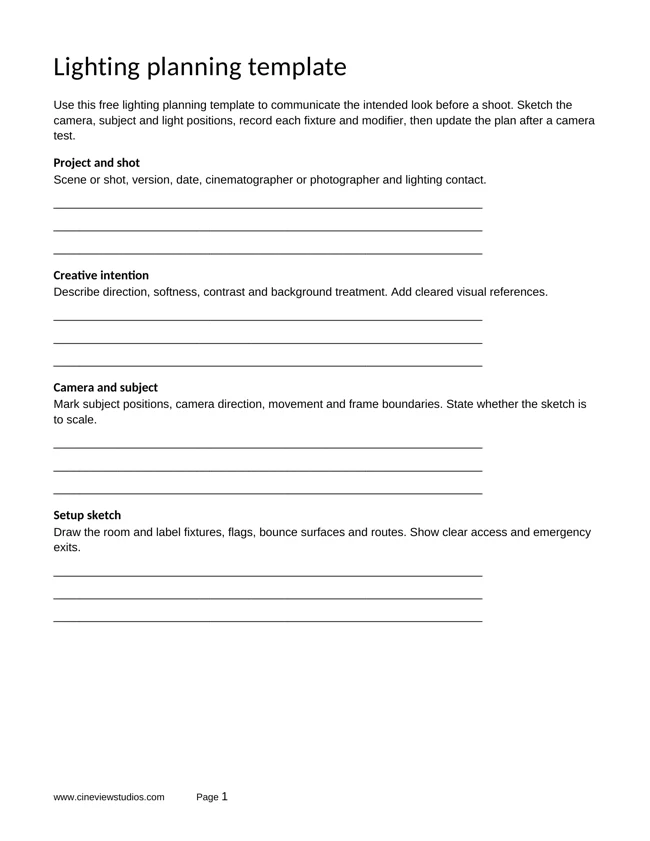
High ceilings with a proper lighting grid give a team more control. Lights can be flown rather than consuming floor space, large sources can sit at useful angles, and the set remains clearer for camera movement. For a beauty shoot this may mean cleaner, softer control. For a commercial with a practical set, it may be the difference between placing a convincing overhead source and compromising the entire lighting plan.
Not every job needs maximum height. A simple e-commerce rail shoot may prioritise speed and cost over a substantial grid. But if the creative involves large-scale lighting, a tall subject, a built set, moving camera work or several lighting states, ceiling height should be confirmed before the studio is presented to the client.
Check the cove, blackout and green screen properly
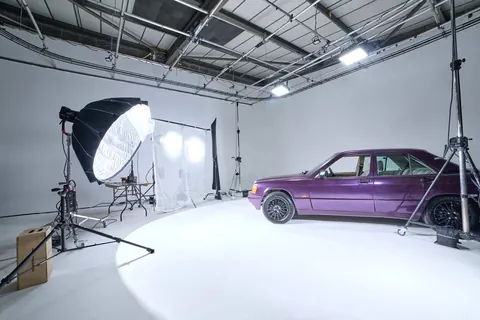
An infinity cove is valuable when it is genuinely large enough for the intended lensing and subject. Ask about its dimensions, condition and whether it can be painted or dressed for the shoot. A shallow cove can work beautifully for packshots but may not support full-body movement, wide framing or a vehicle.
Blackout capability deserves the same scrutiny. Daylight can be useful for editorial work, but controlled commercials often need complete consistency across a long shoot day. Check whether windows are fully blacked out, whether doors introduce light spill and whether the studio can hold a night look in daytime.
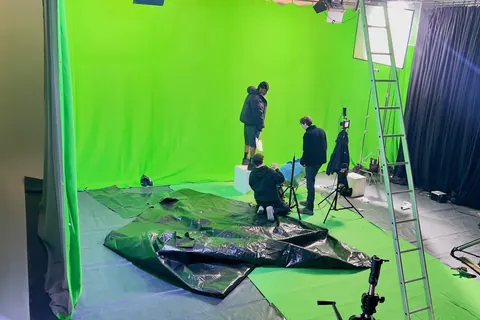
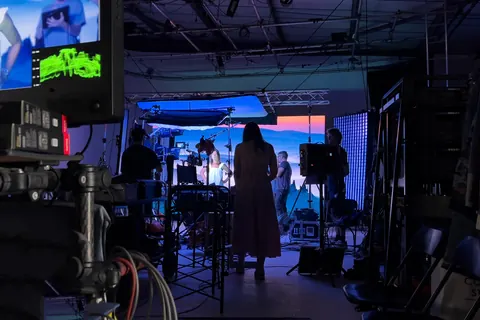
For green screen, establish whether the surface is a permanent cyclorama, a temporary drape or a painted floor and wall. The answer affects tracking, lighting, floor reflections and talent movement. If virtual production or in-camera effects are planned, the conversation needs to go further: available power, screen configuration, playback workflow, camera tracking and technical support should all be agreed in pre-production.
Access and Loading Decide How the Day Starts
A central London location is not automatically production-friendly. A beautiful room up several flights of stairs can be the wrong choice when the call sheet includes heavy lighting, large props, scenic flats or a full grip package.
Ground-floor shutter access changes the pace of a shoot. Vans and lorries can unload directly into the working space, reducing manual handling, weather exposure and the time spent moving equipment through corridors or lifts. Drive-in access is particularly useful for automotive work, oversized props and builds that need to arrive largely assembled.
Ask practical questions early. Is there parking on site? Can a vehicle wait while unloading? Is there enough turning space? Are there restrictions on evening access or weekend working? These details are easy to overlook during a recce and painful to solve at 07:00 with a crew waiting on the pavement.
A studio that is open 24/7 can also be a significant advantage. Agency schedules often move around talent availability, client travel, daylight needs and post-production deadlines. Flexible access supports pre-lighting the night before, an early call time or a late wrap without paying for an unnecessary second studio day.
Equipment Should Reduce Risk, Not Add a Hire List
A studio with in-house lighting and grip can make budgeting faster and more reliable, provided the kit is professional, maintained and available when booked. The benefit is not simply avoiding delivery fees. It is having compatible equipment already on site, with a team that understands the room and can help plan an efficient set-up.
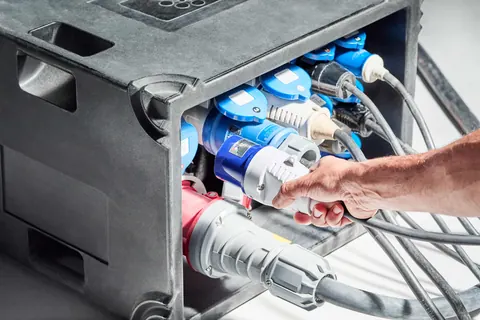
Before confirming a space, compare the equipment inventory with the lighting plan. Consider whether there are suitable heads, modifiers, stands, frames, flags, polyboards, sandbags, C-stands and power solutions. For moving-image work, establish whether the available fixtures suit the required output, colour quality and control protocol.
There is a trade-off here. A specialist lighting package may still be the right choice for a highly specific brief, particularly where a preferred DoP or gaffer has established kit requirements. Even then, a well-equipped studio remains useful because its core grip, power and rigging can reduce the scale of the external hire.
Pre-rigging and pre-lighting support should be treated as a schedule tool, not an optional extra. Loading lights into a grid before the crew arrives gives the creative team more time to refine the image on the day. It also reduces the pressure that leads to rushed decisions once clients are on set.
Build for the Crew and the Client
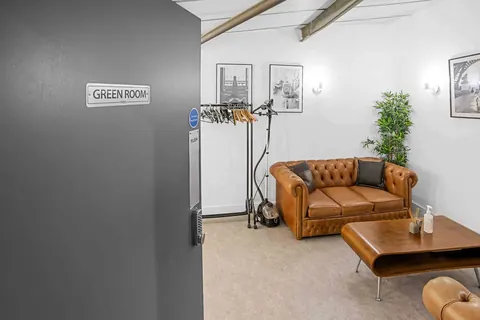
Agency productions need more than a clear shooting floor. There must be enough room for the people making decisions. A client area with a clean sightline to the set helps approvals happen quickly. Separate spaces for hair and make-up, wardrobe, talent and production protect privacy and prevent the set becoming a holding area.
Reliable Wi-Fi, practical seating, clean facilities and a sensible catering area may sound secondary to a lighting grid, but they affect the atmosphere of a long shoot. Clients who are comfortable can stay engaged without obstructing the working crew. A calm, organised base also reflects well on the agency running the job.
Think about sound honestly. If dialogue, sync sound or a live performance is central to the brief, ask about external noise, HVAC, neighbouring units and any restrictions on noise levels. Many photo studios can accommodate video, but not every studio is suitable for clean sound recording. Planning for a location sound recordist, additional treatment or a separate sound stage may be necessary.
Price the Full Production Day, Not the Studio Day Rate
The cheapest hire rate can be the most expensive option once external equipment, parking, loading labour, overtime, access limitations and lost set-up time are added. A realistic comparison looks at total production cost and the likely risk of disruption.
This is the case for choosing a fully functional facility such as Cineview Studios when the brief demands scale, access, high ceilings, blackout, a cove and dependable in-house support. A production-ready space gives agencies clearer cost control because fewer critical elements are left to chance.
At the recce, bring the people who will see the problems first: the producer, photographer or DoP, gaffer, production designer where relevant, and a representative from the build team. Walk the route from vehicle to set. Stand where the client will sit. Look up at the rigging points. Measure the creative against the room rather than assuming the room will adapt later.
A good studio should make the production feel easier before the cameras are even built. When the access works, the kit is ready and the space supports the treatment, the crew can spend the day improving the work instead of working around the building.
2 thoughts on “Agency Shoot Space Requirements That Matter”