How to Choose a Photo Studio That Works Harder
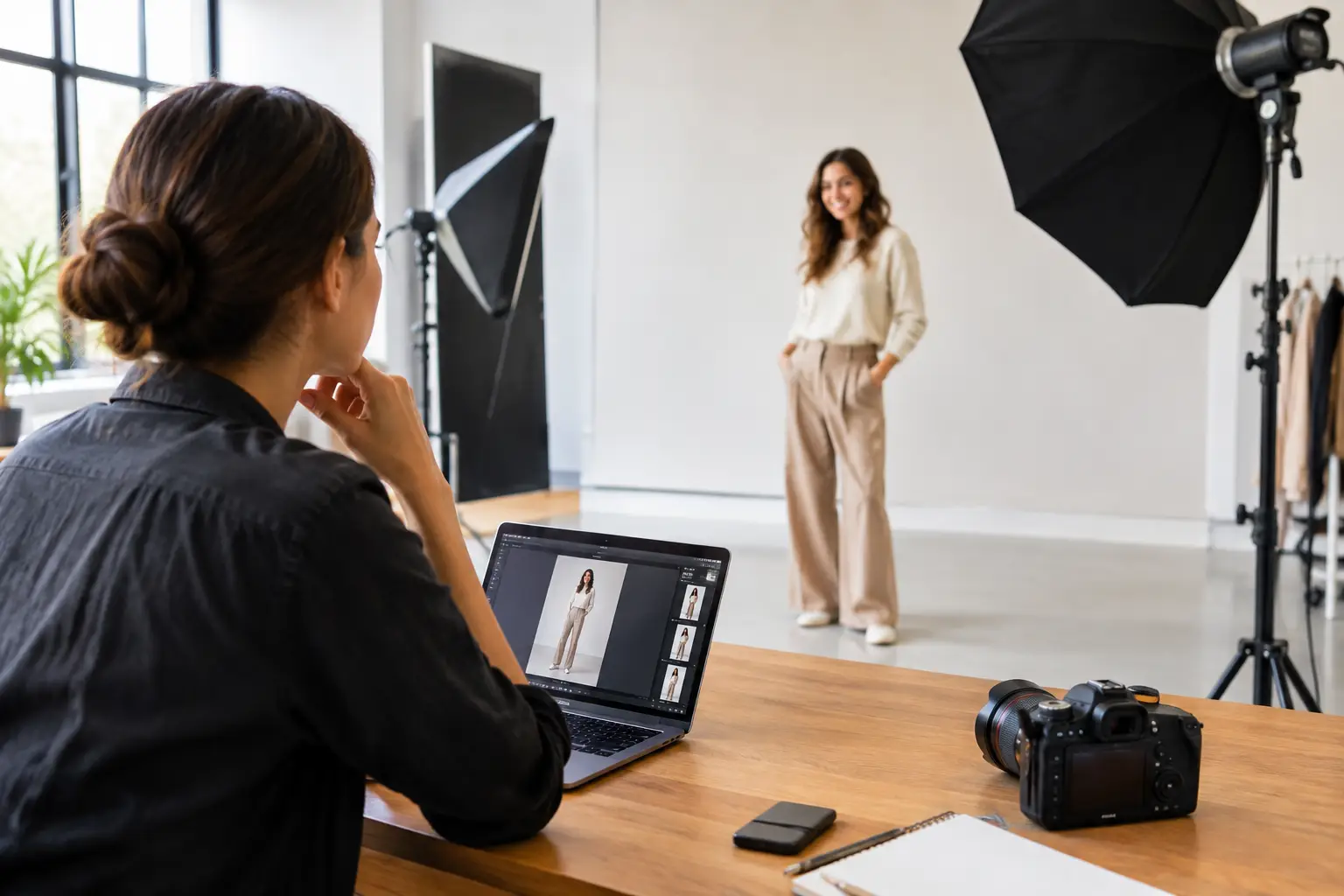
A shoot can lose half a day before the first frame is taken. The usual culprits are familiar: a van that cannot get close to the door, kit carried up narrow stairs, a lighting plan compromised by a low ceiling, or a studio that looked generous in photographs but cannot comfortably hold the set, crew and client. Choosing a photo studio is not simply about finding a good-looking room. It is a production decision that affects budget, timing and the standard of the final work.
For a straightforward portrait session, almost any tidy space with a usable background may do. For commercial stills, e-commerce campaigns, automotive work, branded content or film production, the calculation changes. You need a facility that removes friction rather than asking the crew to work around it.
Start with the shoot, not the studio listing
The right space depends on what needs to happen on set. Before comparing day rates, establish the physical requirements of the production: subject size, camera positions, lighting package, set footprint, crew numbers, client attendance and load-in plan. A studio can be affordable on paper while becoming expensive once delays, external equipment hire and overtime are added.
For product photography, controlled light and a clean shooting area may be the priority. For fashion or editorial work, ceiling height, styling space and room to move around full-length setups matter more. Film crews may need blackout conditions, sound considerations, practical power distribution, room for monitors and a separate area where agency and client teams can review the work without standing in the shot.
A useful rule is to assess the largest moment of the day, rather than the easiest one. If the set build, wide shot or group scene fits only just, the studio is too small. Production rarely gets simpler once lighting stands, cases, catering and people arrive.
What a production-ready photo studio should provide
Space is more than square footage. A large floor plate is valuable, but clear height determines how freely a crew can light it. High ceilings make it possible to place sources above frame, soften them properly and create separation without filling the floor with stands. A lighting grid reduces the need for improvised rigging and keeps working areas clearer and safer.
Access deserves the same scrutiny. Ground-floor shutter access changes the rhythm of a shoot, particularly when moving bulky props, set materials, palettes, vehicles or a substantial lighting package. If loading involves multiple trips through a shared corridor or goods lift, build that time into the call sheet. A drive-in option is not necessary for every job, but for vehicle content, large props and fast turnarounds, it is a serious operational advantage.
Then consider the shooting environments available within the facility. An infinity cove gives clean, continuous backgrounds for product, fashion and commercial imagery. A blackout studio offers control when daylight would undermine consistency. Green screen is useful where post-production replacement or virtual environments are planned, while virtual production capability can support more ambitious in-camera work. These are not features to choose for their own sake. They are ways to keep creative options open without moving the production between locations.
Equipment is another area where headline pricing can be misleading. A lower studio fee is less helpful if every stand, modifier, grip item and lighting unit must be sourced separately. Check what is available in-house and whether the kit is maintained, clearly inventoried and suitable for the scale of the job. The aim is not to avoid specialist rental when a brief demands it. It is to avoid paying and waiting for standard equipment that a professional studio should already have available.
Build access and timing into the real budget
London productions often carry hidden logistical costs. Parking, congestion, delivery windows, overtime, security deposits and additional equipment hire can quickly reshape an apparently competitive quote. Ask direct questions before confirming a space: Is parking included? Can a van or lorry load in without a complicated booking process? Is there room to hold equipment before and after the shoot? Can the team access the studio early for pre-lighting?
Twenty-four-hour access can be particularly valuable when the shooting day is tight. It gives the lighting department time to pre-rig, allows set teams to build ahead of call time and creates a recovery option if a job overruns. That flexibility is not always needed, but it can be the difference between a controlled production and an expensive late finish.
Pre-lighting deserves more attention than it gets. On a commercial shoot, having key lights, flags and camera positions prepared before talent or clients arrive protects the productive part of the day. It also gives the director, photographer and gaffer time to solve problems without an audience. A studio team that understands pre-rigging can be more useful than one that simply hands over the keys.
Assess the space like a crew member
A viewing should answer practical questions, not just confirm that the studio photographs well. Walk the route from the loading door to the shooting floor. Look up at the ceiling and identify where lights can be rigged. Check the condition and dimensions of the cove. Ask where clients will sit, where hair and make-up will work, where cases can be stored and whether there is a sensible area for production paperwork and monitors.
Pay attention to the less glamorous details. Are there enough power points in useful positions? Is Wi-Fi dependable for tethering, file transfer and client review? Are toilets, changing areas and kitchen facilities suitable for the crew size? Does the space feel presentable enough for a client-facing commercial day while still being functional for a working crew?
It is also worth discussing reset time. Some studios schedule tightly, which can make a complex build difficult even if the stage itself is suitable. Others can support early access, late wrap or multi-day holds. The better choice depends on your schedule, but clarity is essential. A production manager should not be discovering restrictions once the crew is already booked.
Choose capability over cosmetic appeal
Many London spaces market themselves through styled interiors, coloured walls and attractive furniture. Those elements can suit lifestyle content, interviews or a small editorial shoot. They are less useful when a brief requires controlled light, substantial builds or a clean working stage. A studio should be judged by what it lets your crew achieve, not by how little needs to be moved for a location photograph.
That does not mean every production needs the largest possible stage. Overspecifying the space wastes money, particularly for simple packshots or a compact portrait session. The point is to hire enough capacity for the work, with access and technical infrastructure that prevent avoidable compromises.
For teams that need scale without the usual London constraints, Cineview Studios is designed around the practical demands of photography, film and content production: a large ground-floor space, professional shooting facilities, substantial access and the freedom to build, rig and work properly.
The questions worth asking before you book
Before committing, confirm the dimensions of the usable shooting area, ceiling height and cove. Establish what lighting and grip equipment is included, what can be added, and whether a technician is available if required. Check the exact rules around rigging, haze, paint, vehicles, sound, food and set construction.
Ask for a clear breakdown of the hire period and any charges for overtime, cleaning, damage, staffing or specialist facilities. If you are bringing clients, clarify parking and arrival instructions in advance. If you are shooting with a larger crew, ensure there is enough room for everyone to work without disrupting the set.
These conversations are not administrative detail. They are how a production protects its margin and its reputation. The studio that answers them clearly is usually better prepared to support the work when the plan changes on the day.
The best studio hire should feel almost invisible once the shoot begins. Equipment arrives without drama, the lights go where they need to go, the crew has room to work, and clients can focus on the images rather than the logistics. Book the space that makes that possible, then use the saved time to make better work.