Can You Rent a Photography Studio?
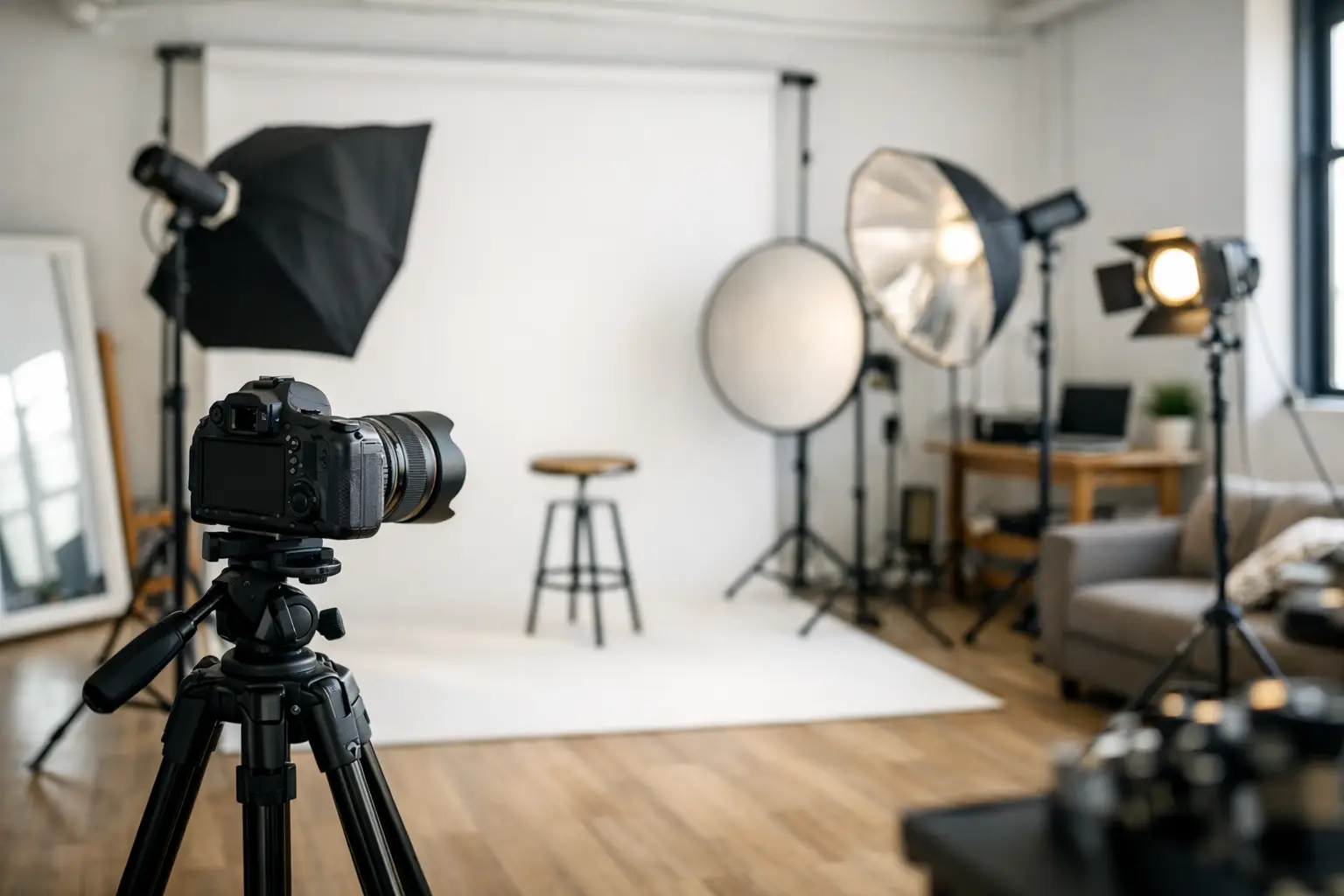
A last-minute location falling through, poor natural light, nowhere to rig properly, clients turning up before the set is ready – this is usually the moment people ask, can you rent a photography studio and make the whole shoot easier? The short answer is yes. The better answer is that renting the right studio can give you far more control over quality, timing and budget than trying to make an unsuitable space work.
For photographers, videographers, agencies and brand teams, studio hire is not just for major campaigns with oversized budgets. It is a practical production decision. If you need dependable lighting conditions, enough room for crew and kit, proper access, or a space that can switch from stills to motion without compromise, hiring a studio often works out faster and more cost-effective than forcing a location to behave like one.
Can You Rent a Photography Studio for Any Type of Shoot?
In most cases, yes. Photography studios are hired every day for e-commerce shoots, portrait sessions, lookbooks, editorials, product photography, castings, branded content and campaign production. Many are also used for hybrid shoots where stills and video happen on the same booking.
That said, not every studio suits every brief. A small daylight room may be fine for headshots or simple product work, but it becomes restrictive once you add a larger team, full-length fashion, a set build or moving image. This is where people get caught out. They assume a studio is a studio, then lose time dealing with low ceilings, awkward load-in, limited power or no in-house support.
The real question is not whether you can rent a photography studio. It is whether the space matches the way your shoot actually runs.
What You Are Really Paying For
When you hire a professional studio, you are paying for more than four walls and a background stand. You are paying for production control.
That starts with light. In a proper studio, you can shape it, repeat it and keep it consistent across the day. That matters for product work, campaign imagery and any brief where the final output needs to match across multiple setups.
You are also paying for space that supports workflow. A crew needs room to move. Talent needs somewhere to prep. Clients need confidence that the environment is organised and professional. If every stand placement becomes a compromise and every lens change involves stepping around boxes, the day slows down quickly.
Access is another major factor. Ground-floor loading, shutter access and parking can save hours across a production day, particularly if you are bringing in props, larger lighting packages or set elements. On paper, a cheaper hire rate can look attractive. In practice, if your team is carrying kit up narrow stairs or paying for extra transport time, the saving disappears.
When Renting a Studio Makes More Sense Than Shooting on Location
Location shoots have their place. They can bring texture, realism and a specific atmosphere that a studio cannot replicate without a build. But they also come with variables that are hard to control. Weather changes, sound issues, restricted access, power limitations and inconsistent light all affect timing.
A studio becomes the stronger option when consistency matters more than spontaneity. Product photography is an obvious example, but the same applies to fashion, commercial portraits, food, table-top, beauty and branded content. If the client expects polished, repeatable output, a controlled environment usually gives you a cleaner route to it.
It also makes sense when the schedule is tight. A proper studio lets teams pre-light, pre-rig and move efficiently between setups. That is difficult to achieve in makeshift spaces. The more complex the shot list, the more valuable a production-ready environment becomes.
How to Judge Whether a Studio Is Actually Worth Hiring
Price matters, but it should not be the only filter. A studio that looks affordable at first glance may become expensive once you start adding external lighting hire, grip, overtime, parking, runner costs and delays caused by poor access.
The first thing to check is scale. Can the room handle your framing distance, lighting positions and crew footprint? High ceilings are not a luxury. They give you more options for lighting control and make larger setups more practical.
Then look at infrastructure. A lighting grid, blackout capability, green screen options, drive-in access and enough power all make a difference depending on the brief. If you are shooting anything beyond a simple portrait session, these details affect how efficiently the day runs.
Equipment support matters too. In-house lighting and grip can reduce transport costs and simplify planning. So can practical production support such as pre-rigging, prep access and on-site assistance. Experienced teams notice these advantages immediately because they remove friction from the day.
For clients and agencies, presentation counts as well. A studio should feel like a professional working environment, not an improvised warehouse corner. That does not mean glossy for the sake of it. It means clean, functional and ready for commercial use.
Can You Rent a Photography Studio by the Hour or Day?
Usually, yes. Most photography studios offer half-day, full-day or longer-term bookings, and some run 24/7 access for productions that need early starts, overnight shoots or complex turnarounds.
The right booking length depends on the brief. For a straightforward portrait session with one setup, a half-day may be enough. For a campaign shoot with multiple looks, product changes or video crossover, a full day is often more realistic. Trying to save money by underbooking time is one of the most common mistakes clients make. It tends to create pressure, overtime charges and compromised output.
If your job includes a set build, vehicle access, green screen work or a larger commercial crew, flexibility becomes even more important. In those cases, the value is not just in the hours booked but in how usable those hours are.
What First-Time Hirers Often Miss
People hiring a studio for the first time often focus on the room itself and forget the operational details around it. Those details usually decide whether the day feels smooth or stressful.
Loading access is one. If you have to move kit through tight corridors or limited lift access, setup takes longer than planned. Parking is another. In London especially, free on-site parking can make a meaningful difference to cost and call times.
Then there is versatility. A studio that can handle stills, video, blackout setups, green screen and larger builds gives you more room to adapt if the brief shifts. That matters for agencies and production teams where plans can change late and added deliverables are common.
Support should not be overlooked either. A responsive team that understands production is often more useful than a stylish space with no practical backup. When something needs adjusting quickly, you want a studio operator who knows what a shoot day really demands.
Choosing a Space That Grows With the Brief
The strongest studio hires are the ones that solve today’s requirement without boxing in tomorrow’s. A product shoot may turn into a content day. A stills booking may need motion pickup. A simple backdrop setup may expand into a full set build.
That is why scalable space matters. A studio with a proper infinity cove, blackout capability, green screen options, good height and drive-in access gives productions room to develop without needing a venue change. For commercial teams, that flexibility protects both budget and momentum.
This is also where a production-focused facility stands apart from a smaller lifestyle studio. There is nothing wrong with compact creative spaces when the brief suits them. But if your project involves clients on site, heavier equipment, larger framing requirements or mixed-format output, you will usually feel the limits quite quickly.
Studios such as Cineview Studios are built around that production reality. The value is not only that you can book the space. It is that the space is designed to help the shoot run properly.
So, Can You Rent a Photography Studio and Keep Costs Under Control?
Yes – if you choose based on total production value rather than headline day rate.
The cheapest room is rarely the cheapest shoot. A well-equipped studio can reduce external hire, shorten setup time, improve output consistency and help crews work faster. That has a direct commercial benefit, whether you are producing a branded campaign, an e-commerce range or a one-day content capture.
For smaller brands and independent creators, studio hire can also be a way to raise production quality without committing to a permanent space or buying specialist infrastructure. You rent what you need, when you need it, and keep the job scalable.
If you are weighing up whether a studio is worth it, start with the practical question: will this space save time, improve control and support the standard the brief demands? If the answer is yes, hiring a studio is not an extra cost. It is part of getting the shoot right.
The best studio bookings do not just give you somewhere to shoot. They give the whole production space to work properly.