How to Find the Best Photo Studio
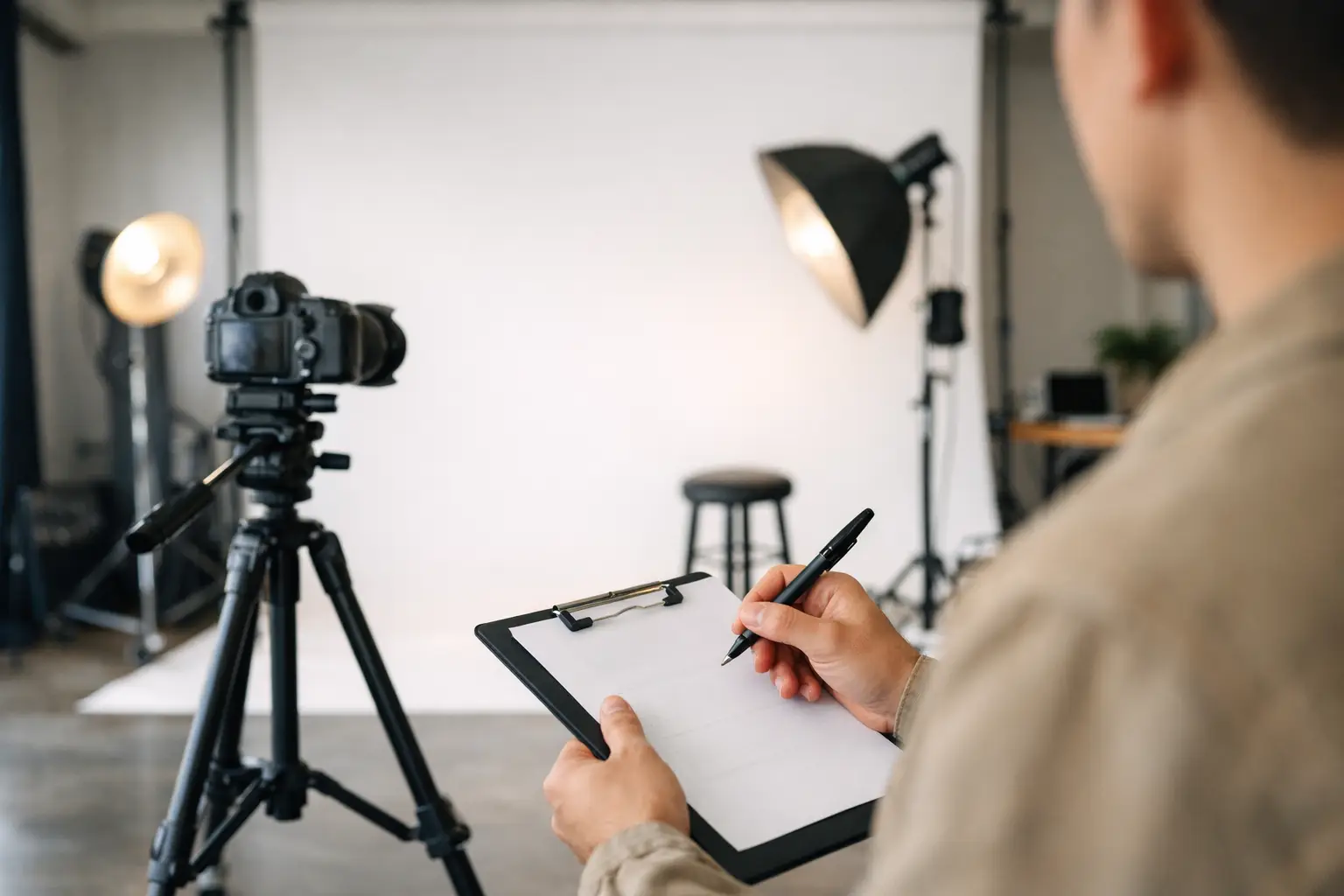
A studio can look impressive in photos and still slow your shoot down the moment crew starts unloading. If you are asking how to find best photo studio, the real question is not which space looks nicest online. It is which studio will help you shoot efficiently, stay on budget and deliver the standard your client expects.
For commercial photography, branded content, e-commerce, editorial or hybrid photo and video production, the best studio is the one that removes friction. Space matters, but so do access, equipment, turnaround time and whether the studio has been built for real production rather than casual hire.
How to find the best photo studio for your shoot
Start with the technical requirements of the job, not the studio shortlist. A beauty campaign, a packshot day, a fashion editorial and a large set build all need different things. If you begin by comparing nice-looking venues, you can easily end up paying for a space that is wrong in all the ways that matter.
Think first about shooting area, ceiling height, power, blackout capability, sound conditions and whether you need an infinity cove, green screen or drive-in access. If you are filming as well as photographing, acoustics and control over ambient light become far more important. If you are shooting products at scale, workflow matters more than atmosphere.
That is why the best studio is rarely the cheapest by the day. A lower hire rate can quickly become more expensive if you lose hours to poor access, limited kit, awkward load-in or constant compromises with space.
Space should support the production, not restrict it
One of the most common mistakes is underestimating how much room a shoot actually needs. It is not just about fitting the set or backdrop in. You also need working space for camera positions, lighting, styling, client viewing, crew movement and safe storage.
A cramped studio affects quality. Lighting options become limited, lens choices narrow, and simple changes take longer than they should. If the production includes larger props, vehicles or set construction, access becomes just as important as floor area. Ground-floor loading, shutter access and proper circulation space can save a serious amount of time.
High ceilings make a bigger difference than many first-time hirers expect. They give you better lighting angles, more freedom with modifiers and a cleaner working environment for larger builds. If a studio has a proper lighting grid, that is an operational advantage, not just a technical extra.
Equipment and support can change the true cost
When comparing studios, do not stop at the empty room. Ask what is included and what will need to be hired in separately. In-house lighting, grip, stands, backgrounds and power distribution can reduce cost and simplify planning.
Support matters too. Some spaces simply hand over the keys. Others understand production and can help with pre-lighting, pre-rigging and practical problem-solving on the day. That difference is often what separates a smooth shoot from a stressful one.
If your schedule is tight, a studio with 24/7 access can also be a major commercial benefit. Early call times, overnight builds and staggered crew arrivals are common realities in production. A rigid access window can create avoidable pressure before the camera is even rolling.
Look beyond the day rate
A studio may appear affordable until the extras start stacking up. Restricted hours, paid parking, external kit hire, overtime charges and difficult access all increase the real cost of the shoot. The day rate only tells part of the story.
Ask for clarity on what is included, what is chargeable and how the booking works in practice. If you need to pre-rig the night before, rehearse, receive deliveries or keep vehicles on site, those details should be confirmed upfront.
For London productions in particular, free parking and easy vehicle access are not minor perks. They directly affect crew efficiency, transport costs and call times. The same applies to client areas, changing facilities and basic comfort on set. If the space needs to function for agency teams, talent and crew all day, amenities matter.
Visit in person if the shoot matters
Photos can hide low ceilings, awkward corners and access problems. A recce tells you far more than a gallery ever will. Walk the route from vehicle to shooting floor. Check the loading setup, ceiling height, available power, blackout control and condition of the studio itself.
This is also the moment to assess whether the team understands production. Can they answer practical questions quickly? Do they know how the space works under pressure? Are they used to handling commercial crews, not just casual content days?
A serious studio operator will speak in practical terms about workflow, setup, kit and logistics. That is usually a good sign you are dealing with a facility built for production rather than a blank room being marketed as one.
The best photo studio is the one that saves you time
A polished website and a competitive rate are not enough. The right studio gives you control, flexibility and fewer problems on shoot day. For many productions, that means prioritising access, ceiling height, built-in facilities, reliable support and enough technical readiness to avoid bringing half the shoot in from outside.
If you are comparing London spaces, look for the option that performs like a proper production base. Cineview Studios is one example of a hire space designed around those realities – from drive-in access and high ceilings to in-house kit, blackout capability and room for both straightforward shoots and larger commercial setups.
The best decision usually comes down to a simple test: if the studio makes your crew faster, your setup easier and your output stronger, it is probably the right one.
One thought on “How to Find the Best Photo Studio”