
What Is Available at a Film Studio?
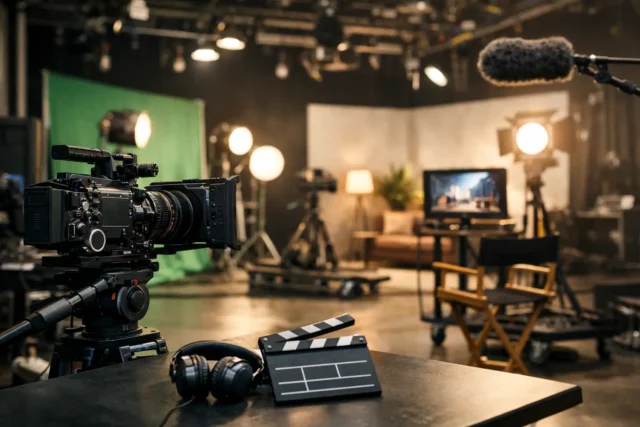
If you are asking, “What is available at a film studio?”, the real question is usually more practical: what will actually help your shoot run on time, stay on budget and deliver the standard your client expects? A proper film studio is not just an empty room with four walls. It is a working production environment built to remove friction from the day.
That matters because many studio hires in London look fine in photos but create problems the moment a crew arrives. Tight access, low ceilings, no rigging options, limited power, patchy equipment and nowhere for clients to sit all slow the job down. The better the studio, the less time you waste solving basic logistical issues.
What is available at a film studio in practical terms?
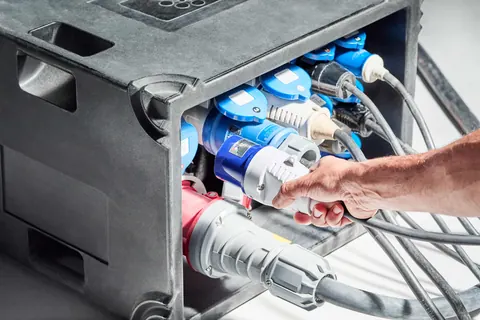
At a professional level, a film studio should give you space, control and infrastructure. Space means enough floor area to shoot properly, move crew efficiently and build sets if needed. Control means the ability to shape light, sound and background conditions without fighting the room. Infrastructure covers everything that keeps production moving, from loading access to power distribution and on-site kit.
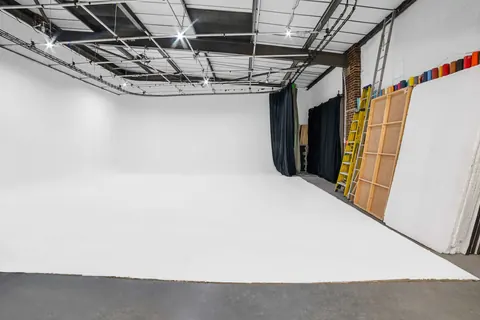
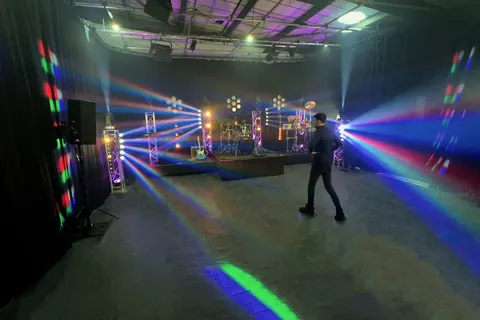
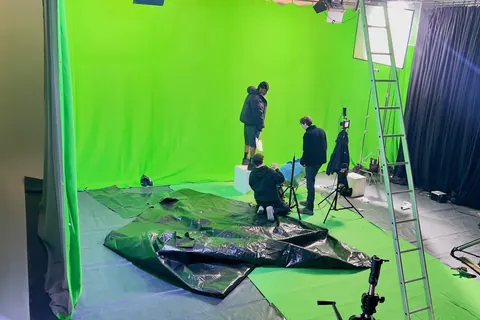
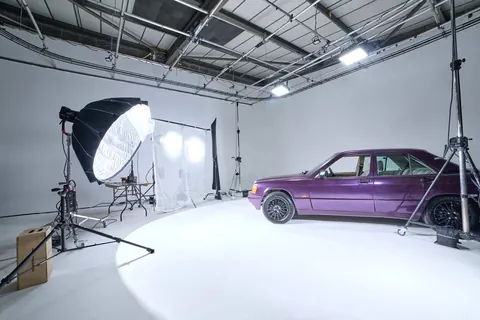
The most useful studios offer a mix of specialist shooting areas. That can include an infinity cove for clean commercial visuals, a blackout studio for full lighting control and a green screen area for compositing and VFX work. If you are filming product campaigns, interviews, music videos, branded content or vehicle shoots, those options make a genuine difference to what is possible in a single location.
Ceiling height is one of the first things experienced crews check. High ceilings with a proper lighting grid give you far more flexibility with rigging and shaping light. Low ceilings force compromises fast, especially on larger sets, motion work or multi-light setups. If the studio also supports pre-rigging or pre-lighting, you save even more time on the day.
The facilities that make production easier
A well-equipped film studio should offer more than the stage itself. Good access is a major part of the value. Ground-floor loading, shutter access and drive-in capability can turn a difficult setup into a straightforward one, especially if you are bringing in larger props, set materials, product stock or vehicles.
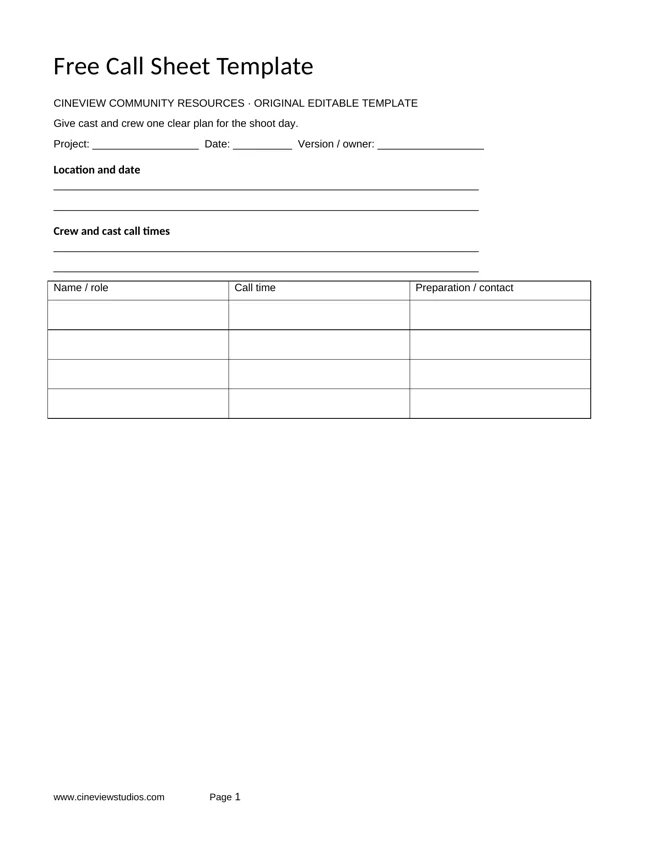
Parking is another detail that sounds minor until you are trying to unload a van in central London. Free on-site parking helps with crew call times, kit transport and overall budget control. When a studio is open 24/7, that adds further flexibility for overnight builds, early call sheets and productions working around tight campaign deadlines.
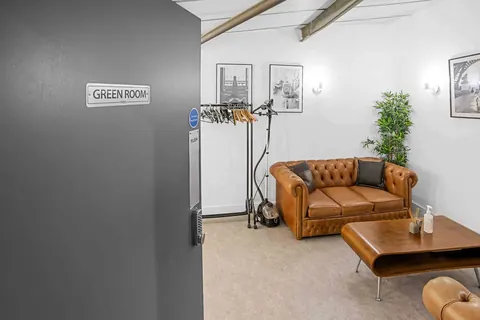
Client and crew areas also matter. A studio should have enough room for producers, agency teams, talent and HMU without crowding the shoot floor. If the set is client-facing, the environment needs to feel professional, not improvised. That affects how smoothly approvals happen and how confident stakeholders feel during the session.
Equipment you should expect on site
The answer to “What is available at a film studio” should include equipment, not just square footage. In-house lighting and grip can remove a major layer of cost and coordination, particularly for smaller productions or fast-turnaround jobs. Depending on the studio, that may include continuous lights, flash heads, stands, modifiers, flags, rails, clamps and other support kit.
For photographers and filmmakers alike, having that inventory ready on site reduces transport, speeds up setup and gives you more room to adapt if the brief changes. That flexibility is valuable on commercial shoots where amends happen live and timing is tight.
Not every production needs the same setup, which is why versatility matters more than novelty. A studio that can support simple e-commerce work one day and a full branded content build the next is often a better commercial choice than a space with one eye-catching feature but limited practical use.
Specialised features for bigger or more technical shoots
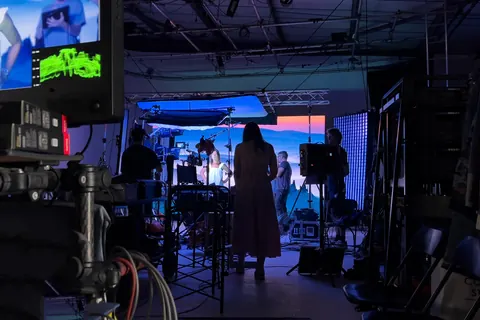
Some productions need more than a blank stage. Virtual production capability is increasingly relevant for teams that want controlled digital environments without the cost of constant location moves. Set-build suitability is just as important for campaigns that need bespoke scenery, constructed rooms or heavier art department work.
Green screen is useful well beyond traditional VFX-heavy jobs. It can support presenter-led content, product explainers, branded social assets and background replacement for campaigns that need multiple outputs from one shoot. A blackout environment gives crews full control over lighting ratios, reflections and mood, which is often the difference between acceptable footage and premium-looking work.
At Cineview Studios, that combination of production-ready space, specialist shooting facilities and practical access is exactly the point. It is designed to give crews the functionality they actually need, without paying inflated rates for compromised London spaces.
What to check before you book
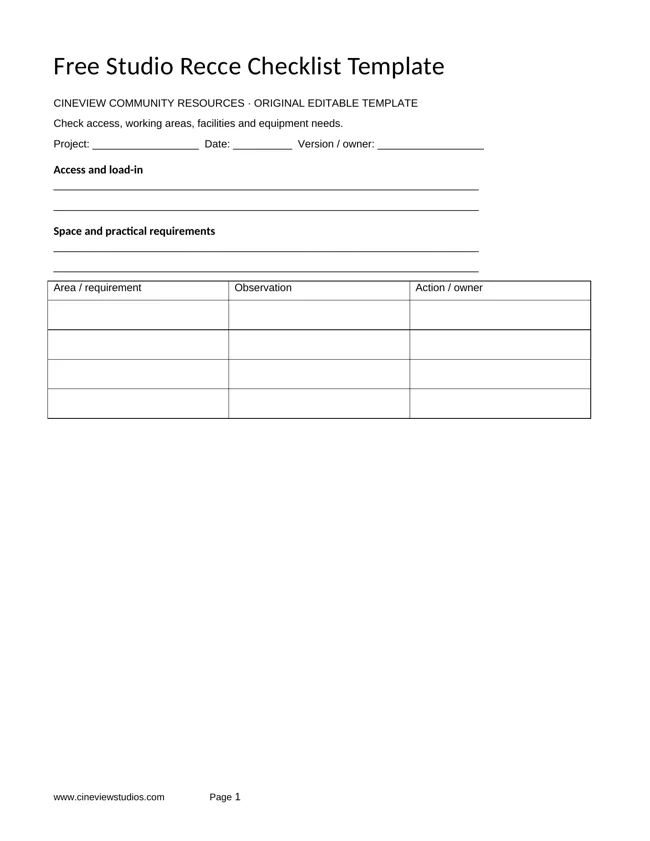
If you are comparing studios, do not stop at the headline rate. Ask what is included, how loading works, whether parking is available, what power and rigging options exist, and how suitable the space is for your specific format. A cheaper room with poor access and no kit often costs more once delays, external hires and overtime are added in.
The best studio is not necessarily the biggest or the cheapest. It is the one that supports your workflow properly. If the space helps your crew move quickly, gives your lighting team real control and keeps clients comfortable, the production runs better from the first load-in to the final pack-down.
That is what should be available at a film studio: not just a room to shoot in, but a facility that actively improves the way the job gets done.