


Blackout Studio vs Natural Light: Which Wins?
A sunlit room can look perfect on a location scout, then become a production problem the moment cloud cover rolls in, the sun shifts behind the building or a client asks for one more matching shot at 5pm. The blackout studio vs natural light decision is not about which look is better. It is about deciding how much control your shoot needs, what the schedule can tolerate and where the real cost sits.
For fast, lifestyle-led stills, natural light can be efficient and attractive. For commercial film, product work, campaign imagery and any shoot where consistency matters, a controlled studio environment usually protects both the creative idea and the production day.
Blackout Studio vs Natural Light: The Core Difference
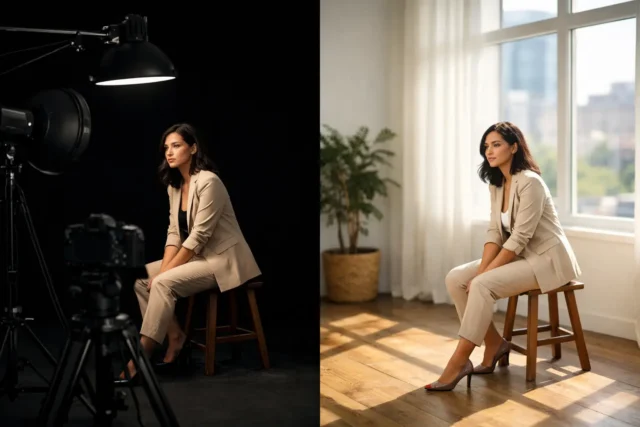
Natural light is a moving source. Its direction, intensity and colour temperature change throughout the day, sometimes minute by minute. That variation can be exactly what gives editorial portraiture, fashion and organic social content their appeal. It can also make continuity difficult when a campaign needs images captured across a full day, or a film sequence must cut cleanly from one setup to the next.
A blackout studio gives the crew the opposite starting point: total darkness until you introduce a light. Every source, shadow, reflection and highlight is deliberate. You can create the soft look of a north-facing window, a hard noon-sun effect, a dramatic night exterior or a clean, even product setup – and repeat it without waiting for the weather to cooperate.
The distinction matters most when a creative treatment includes a precise visual reference. If the brief says soft daylight, that does not necessarily mean you need actual daylight. It may mean you need a controllable daylight look, shaped with the right fixtures, diffusion, flags and negative fill.
When Natural Light Is the Right Production Choice
Natural light is a strong option when spontaneity is part of the brief. A small fashion editorial, founder portrait session or informal branded social shoot may benefit from the imperfect, changing character of daylight. It can reduce the amount of lighting equipment required and help a lean crew move quickly, particularly if the chosen space has reliable window light at the right time of day.
It works best where the shot list is short, the client accepts natural variation and the schedule is built around the available light. A photographer shooting a relaxed lifestyle campaign in the morning, for example, may only need a reflector, diffusion and a small battery-powered light for fill.
However, daylight is not free simply because it comes through a window. A location with good windows may have restrictive access, limited power, noise from the street, awkward loading or insufficient room for a crew and client team. London daylight spaces can also command a premium, particularly when the visual appeal of the location outweighs its practical production capability.
Natural light is also less dependable in winter. Shorter days create a tighter shooting window, while rain and heavy cloud can substantially alter the quality of the scene. If the call sheet leaves no room for delay, relying on daylight can be a false economy.
Why a Blackout Studio Protects the Brief
The primary advantage of a blackout studio is repeatability. Once the lighting is set, the look remains available for as long as the production needs it. That makes it easier to shoot multiple products, talent changes, formats and cutdowns while maintaining the same visual standard.
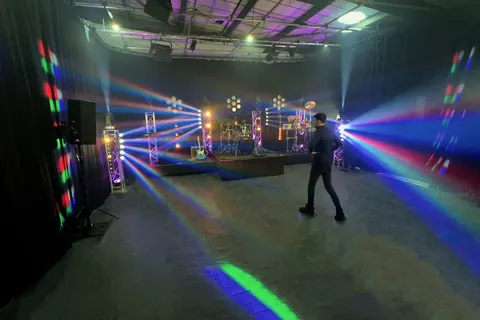
For video, the benefit is even clearer. Exposure changes across a take are distracting, and intermittent sunlight can affect a scene before the editor has a usable take. Blackout lets the director of photography control every frame, whether the intention is a clean beauty setup, a glossy automotive look or a moody music video.
It also allows productions to work to a commercial schedule rather than the sun. Pre-light in the evening, shoot overnight, add a late pickup, or run a full day in winter without losing the final hours to darkness. For agencies and brand teams coordinating talent, styling, approvals and delivery deadlines, that certainty has tangible value.
A purpose-built blacked-out space also gives lighting teams room to work properly. High ceilings make it possible to place larger sources at a useful distance, soften them without losing the set, and keep stands out of frame. A lighting grid can reduce floor clutter and speed up rigging. These details may sound operational, but they directly affect how quickly a crew can move from one setup to the next.
Control Is Not the Same as a Hard-Lit Look
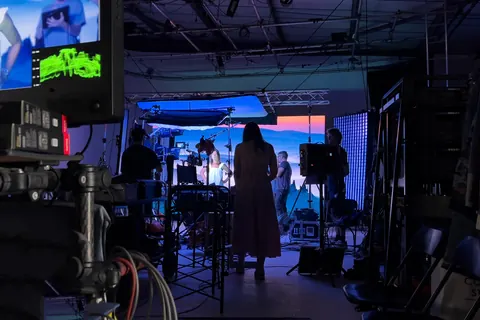
Some clients hear blackout studio and picture a dark, heavily stylised result. In reality, blackout gives you the flexibility to create almost any lighting condition. A large diffused source can produce broad, flattering window light. Carefully placed practicals can suggest a domestic interior. A projected background or virtual production setup can build an environment that would be difficult, expensive or impossible to access on location.
The point is not to make every project look artificial. It is to give the crew control over how natural or polished the final image feels.
Cost: Look Beyond the Hourly Hire Rate
A daylight location can appear cheaper until the production absorbs the hidden costs of its limitations. If cloud cover means relighting every few minutes, if access delays the load-in, or if a lack of space forces the crew to work in stages, the day becomes less efficient. Overtime, additional shoot days and compromised output quickly outweigh a modest saving on hire.
A blackout studio can require a more considered lighting plan, particularly for a simple shoot that genuinely could have used a window. Yet studios with in-house lighting and grip equipment reduce the need for multiple external hires and deliveries. They also give the crew a known working environment, which makes budgeting more reliable.
For larger productions, access is a major part of the calculation. Ground-floor shutter access, free parking and enough clearance for cases, props, set materials or vehicle-based work can save hours at the beginning and end of the day. That is time paid crew members are not spending carrying equipment through narrow corridors or waiting for a lift.
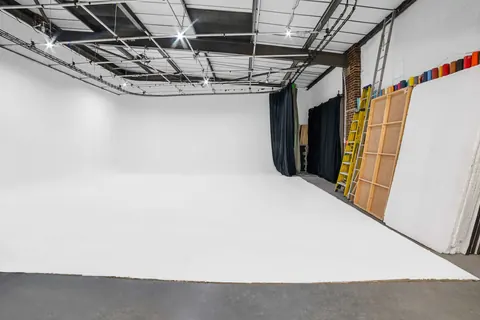
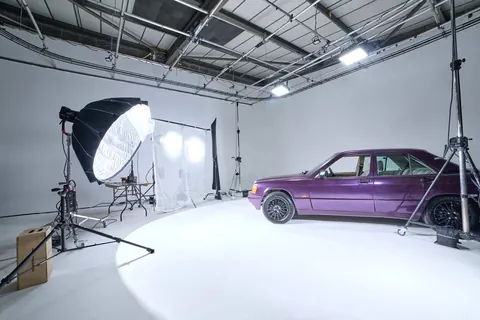
Cineview Studios is built around this practical advantage: a fully blacked-out, large-scale production environment with high ceilings, drive-in access, an infinity cove and the flexibility to accommodate straightforward shoots through to set builds and complex rigs.
Choosing the Right Space for Your Shoot
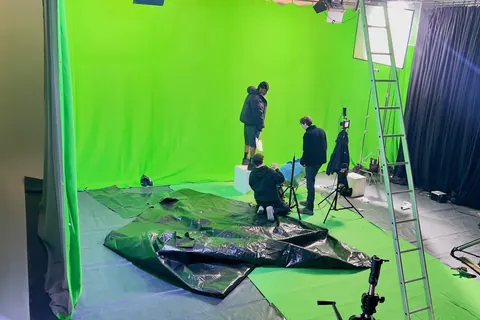
Start with the output, not the aesthetic label. Ask whether the final work needs to match across products, scenes, days or future campaigns. Consider whether the shoot includes motion, reflective surfaces, green screen, high frame rates or several client approval stages. Each of these points makes controlled light more valuable.
Natural light is often the better choice when the story depends on genuine place and an unpolished, time-specific feel. It is well suited to small teams with a flexible shot list and a weather-tolerant brief. Build contingency into the schedule, and have diffusion, bounce and supplementary lighting ready rather than assuming the window will do all the work.
Choose blackout when consistency, scale and efficiency are non-negotiable. This is particularly true for e-commerce, product photography, beauty, food, fashion campaigns, commercials, interviews, music videos and content requiring multiple aspect ratios. You can shoot the hero film, social cutdowns, stills and product details under one controlled lighting approach instead of hoping the daylight remains consistent between departments.
A Hybrid Approach Can Be the Smartest Option
The choice does not always have to be absolute. Some productions use available daylight for a specific opening sequence, then move into controlled studio lighting for product work and close-ups. Others recreate a daylight feeling inside the studio, giving the art department a consistent environment while retaining control of reflections and exposure.
This hybrid thinking is useful when the creative requires an authentic daytime mood but the schedule requires certainty. It gives the director and photographer a visual language that feels natural without handing production control to the weather forecast.
Before confirming a space, assess the unglamorous details as seriously as the look: ceiling height, blackout quality, power, sound, loading route, parking, kit availability, client areas and whether the studio team can support pre-rigging. A good studio does more than provide four walls. It removes the friction that turns a well-planned shoot into an expensive day of workarounds.
The strongest choice is the one that lets your crew spend the day making the images, not managing the conditions around them.
One thought on “Blackout Studio vs Natural Light: Which Wins?”