How to Choose Studio Hire That Works Harder
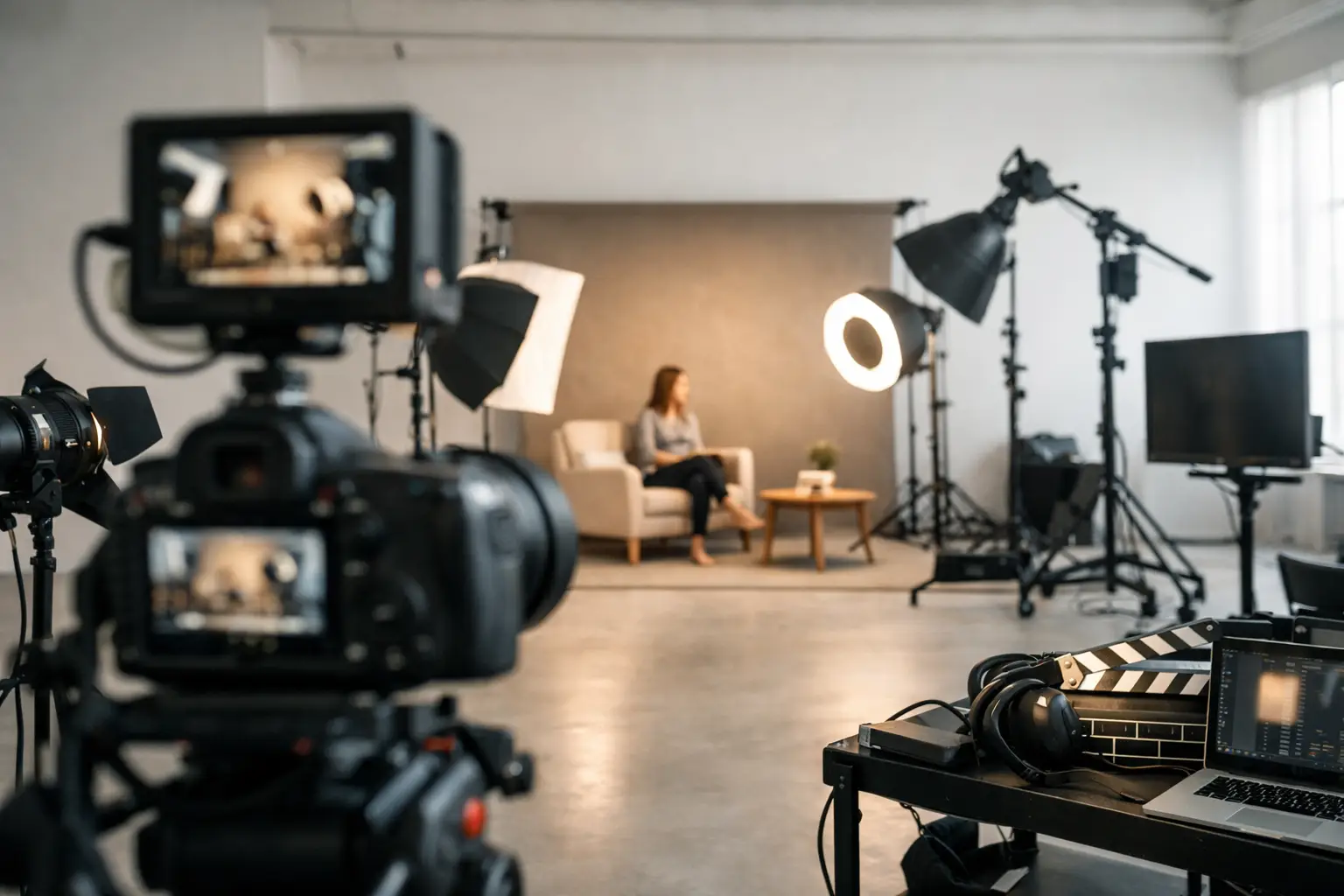
A studio can look impressive in a location photo and still cost a production hours of avoidable work. A narrow loading route, low ceiling, missing blackout or a sparse equipment list can turn a straightforward shoot into a compromise. Knowing how to choose studio hire means looking beyond the day rate and assessing whether the space supports the way your crew actually needs to work.
For a product shoot, that may mean reliable daylight control and enough room to style, shoot and pack efficiently. For a commercial, music video or vehicle shoot, it can mean drive-in access, a lighting grid, generous ceiling height and the ability to build a set without fighting the building. The right studio protects creative ambition, the schedule and the budget at the same time.
Start with the production, not the studio gallery
Before comparing spaces, define what the shoot needs to achieve. The brief should determine the hire, rather than the other way around. Consider the camera format, crew size, talent, set footprint, lighting approach, sound requirements and whether clients will attend. A studio suitable for a lean e-commerce shoot may be completely unsuitable for a branded campaign with art department, agency team, video village and multiple lighting setups.
Be specific about the shots that cannot be compromised. If you need full-length fashion frames, wide lens movement or a large overhead source, ceiling height and shooting depth matter immediately. If the treatment relies on saturated colour, controlled reflections or night-time scenes, confirm that the studio can black out properly. Curtains that reduce daylight are not the same as a true blackout environment.
Also plan for what happens around the shot. Where will hair and make-up work? Is there room for wardrobe, catering, kit cases and a client area without blocking the set? The usable production area is more valuable than a headline square-footage figure that includes corridors, storage or awkward corners.
How to choose studio hire with enough space to work
Dimensions are not a technical detail to leave until the recce. They shape what is possible on set. Ask for the width, depth and ceiling height of the actual shooting area, then map them against your intended build, camera distance and lighting positions.
High ceilings give crews more options. They allow lights to be raised out of frame, create softer sources at a useful distance and provide room for large modifiers, booms and overhead rigging. A lighting grid is equally valuable because it keeps the floor clearer, speeds up repositioning and helps maintain a safer working environment on busy sets.
For photography, an infinity cove can provide the clean, uninterrupted background needed for product, fashion and portrait work. Check its size, condition and whether it can be repainted between bookings if your treatment demands a pristine white surface. For film and video, ask whether the cove, blackout area and green screen can be used independently or configured together. Flexibility matters when a shot list changes during pre-production.
A space that is slightly larger than your minimum requirement is usually the better commercial decision. It gives the team room to move, reduces constant resets and allows you to add an extra setup if the day is running well. Saving on a smaller room can become expensive if it slows every department down.
Match the studio to the build and the load-in
Set-build suitability is often overlooked until the art department is trying to manoeuvre flats through a standard door. If you are bringing in large props, scenery, plinths, vehicles or bulky lighting, ground-floor shutter access changes the day considerably. It reduces manual handling, shortens the load-in and gives production more certainty when timings are tight.
Drive-in capability is not only for car shoots. It can make deliveries, large set pieces and equipment transport far more practical. Confirm the shutter dimensions, turning space and any restrictions on vehicle access inside the studio. If a lorry arrival needs careful coordination or a build requires early access, get this agreed before the call sheet is issued.
Check access, parking and operating hours early
London studio hire often comes with logistical constraints that do not appear in a rate card. Limited loading bays, stair-only access, parking restrictions and fixed opening hours can add friction before the first light is switched on.
Ask where vans can unload, whether vehicles can stay on site and how much parking is available to crew and clients. Free on-site parking is a meaningful cost and time saving, particularly for shoots with multiple vehicles, kit vans or a long day. It also makes a better experience for clients arriving for a review or agency teams moving between locations.
Operating hours deserve the same scrutiny. A 24/7 studio gives productions a practical fallback when a build overruns, a delivery is delayed or an evening shoot needs more time. That does not mean every job needs overnight access, but it is valuable to know the facility can accommodate the realities of production rather than forcing everything into a narrow booking window.
Treat equipment as part of the hire value
A low studio day rate can be misleading if you need to source every stand, modifier, cable, flag and light separately. Equipment availability should be assessed in the same way as the room itself. A strong in-house lighting and grip inventory can reduce external rentals, delivery charges and the risk of a missing item arriving late.
Request a current equipment list and check that it matches your lighting plan. The useful question is not simply whether a studio has lights, but whether it has the right lights, control equipment and support kit for your setup. For example, a video production may need continuous fixtures, diffusion, flags and reliable power distribution, while a stills crew may prioritise flash heads, stands, polyboards and shaping tools.
Clarify what is included in the hire and what is charged separately. Ask about consumables, damaged cove fees, technician support, overtime, cleaning, power use and equipment insurance. Transparent costs make it easier to compare studios honestly and avoid an approval problem once the production budget is already committed.
Confirm the conditions that affect picture and sound
A studio is a working environment, not just a blank canvas. Visit the space or arrange a detailed virtual recce to check what the camera and microphone will encounter. Look for uncontrolled daylight, reflective surfaces, surrounding noise, air-conditioning sound and practical light spill. These issues are manageable when anticipated, but disruptive when discovered after crew call.
For green screen work, inspect the size, finish and lighting possibilities. A green screen that is too small for the action, poorly lit or positioned close to talent can create costly post-production problems. For virtual production, establish what infrastructure is available, what must be supplied by your team and whether the studio layout supports the required camera tracking, screens and control positions.
If you are filming dialogue, ask about acoustic conditions and nearby activity. A spacious industrial studio may be ideal for a visual build but require additional sound planning. The best choice depends on the priority of the job. There is no value in paying for a sound-controlled room if the production is shooting silent product content, just as there is little value in choosing a beautiful visual space that cannot support a clean sync-sound take.
Assess support, not just facilities
Experienced studio support can keep small issues from becoming schedule problems. The useful distinction is between a venue that hands over a key and a production facility that understands pre-lighting, rigging, access requirements and the pace of a commercial shoot.
Ask how the studio team supports pre-production. Can they advise on access, equipment, set builds and room configuration? Is pre-lighting or pre-rigging possible? Can a technician be available if your setup is complex? These details matter most when the crew is working to a tight turnaround or when the creative treatment has little margin for error.
The site should also feel credible for clients. Clean facilities, organised working areas and a professional welcome make approvals easier and help production teams stay focused. Cineview Studios is built around these practical requirements: scalable shooting space, specialist production zones, ground-floor access, high ceilings, in-house kit and the flexibility needed for demanding photo and film work.
Compare the total cost of getting the job done
The cheapest hire is rarely the lowest line on a quotation. Compare the full operational cost: studio rate, lighting and grip, parking, deliveries, overtime, additional crew time, external equipment and the risk of needing a second location because the first space cannot accommodate the brief.
A better-equipped studio can cost more on paper while reducing the overall spend. If it removes a separate equipment rental, eliminates paid parking, allows a pre-light and avoids time lost carrying kit up stairs, it may be the more efficient option. Conversely, a major campaign may justify a larger specialist facility, while a small tabletop job may not need its full capabilities.
Choose the studio that gives your production room to deliver properly, not merely room to stand. When access, technical readiness and crew workflow are planned from the start, the studio becomes a practical advantage in every frame you make.