
Photo Shoot Planning Checklist for Better Shoot Days
A shoot rarely falls behind because the camera is not good enough. It falls behind because the van cannot unload, the talent arrives before the set is ready, the client wants a new angle at 3pm, or the lighting plan has not allowed for a quick changeover. A proper photo shoot planning checklist protects the creative work by dealing with those practical pressures before anyone steps on set.
For commercial, editorial, e-commerce and campaign productions, planning is not about overcomplicating a straightforward brief. It is how you keep control of time, budget and output when several people, departments and expectations meet in one room.
Start with the deliverables, not the moodboard
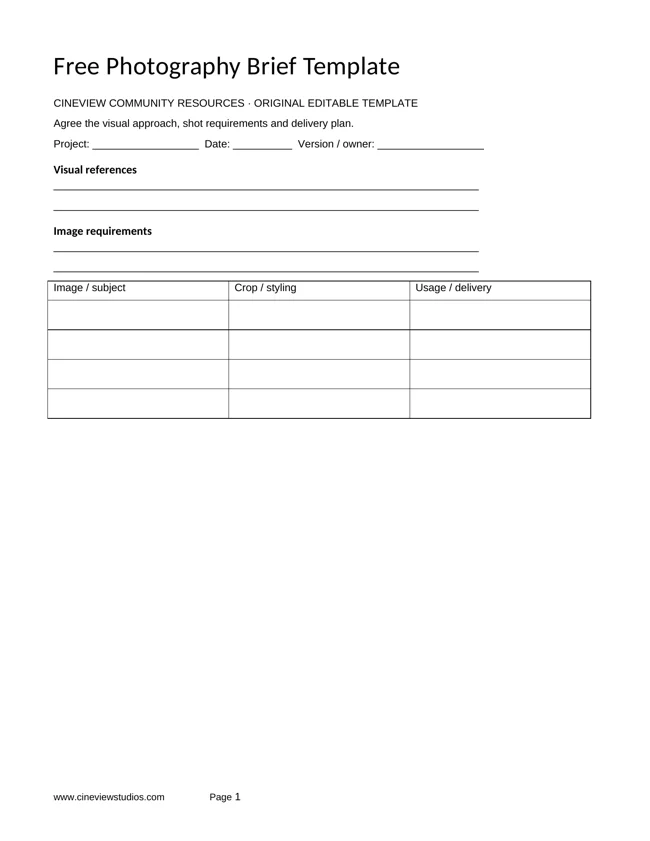
Moodboards are useful, but they do not tell a crew how much space, kit or shooting time is required. Begin by defining exactly what must be delivered: image formats, aspect ratios, final selects, crops, usage, retouching requirements and delivery deadline. A single hero campaign image has very different production needs from 80 catalogue product shots or a full set of social-first assets.
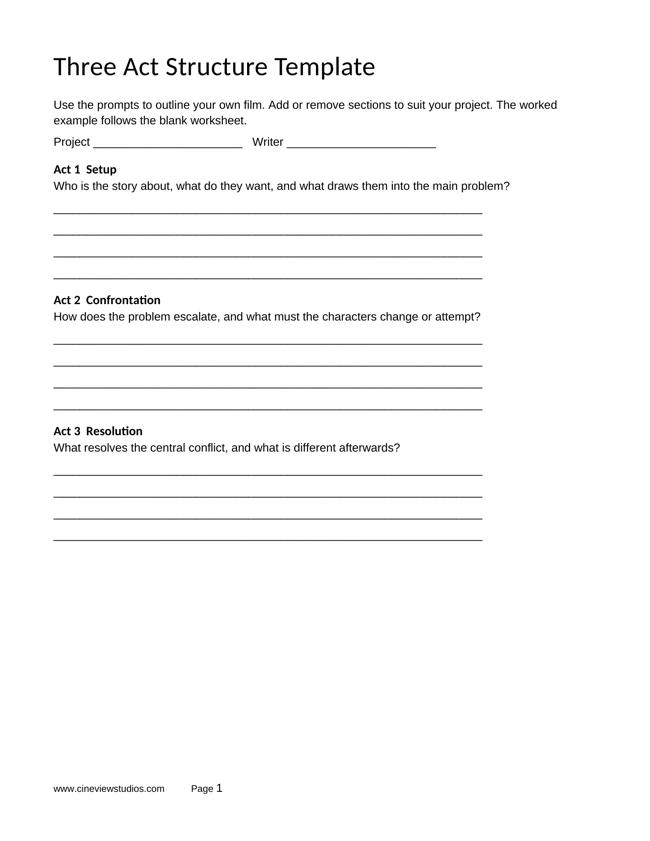
Translate the creative into a shot list that can be timed. Group shots by lighting setup, backdrop, talent, styling and prop requirements rather than listing them in the order they appeared in a presentation. This is where production savings are made. Shooting every look against one background before moving to the next is generally faster than rebuilding the set for each individual asset.
Be clear about what is fixed and what can flex. If three images are essential for a media launch, ringfence the time for them. If the final frame is a nice-to-have variation, place it later in the schedule. This gives the photographer and producer a sensible way to make decisions if the day becomes compressed.
Build a photo shoot planning checklist around workflow
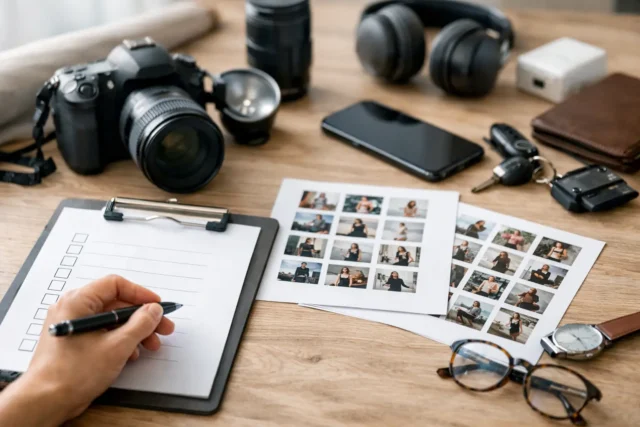
The best photo shoot planning checklist follows the actual journey of the production: preparation, arrival, setup, shooting, reset and wrap. It should be shared with the people who need it, not held as a private producer document that nobody sees until something goes wrong.
Before confirming the day, account for these operational essentials:
- The approved brief, shot list, call sheet and production schedule, with a named decision-maker for client approvals.
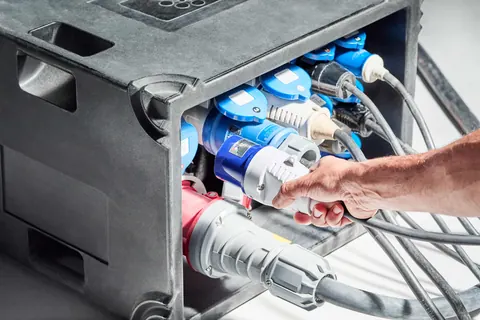
- Studio dimensions, ceiling height, available shooting areas, power provision, blackout capability and any set-build or vehicle-access needs.
- Crew, talent, assistants, stylists, hair and make-up, digital operator, runners, catering and appropriate call times.
- Lighting, camera, grip, backgrounds, stands, tethering, monitors, storage media, chargers, batteries and backup equipment.
- Props, wardrobe, product samples, steaming, rails, changing space and a clear inventory of anything arriving by courier or lorry.
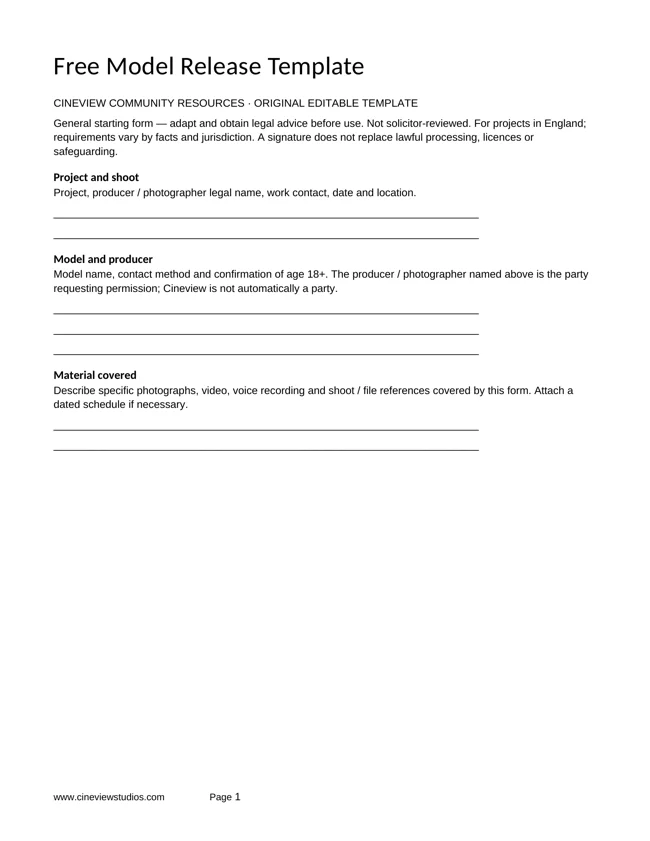
- Insurance, risk assessment, permissions, music requirements where video is involved, release forms and any special handling instructions.
This is not a case of ticking boxes for the sake of it. Every item should have an owner and a deadline. “Props arranged” is vague. “Stylist to confirm all props received by 4pm Tuesday” gives the production team something they can act on.
Choose a studio that removes bottlenecks
A studio should support the work, not create new problems. London hires can look affordable on paper and then become expensive through tight loading access, parking costs, limited equipment, short operating hours or a space that is simply too small once clients and crew arrive.
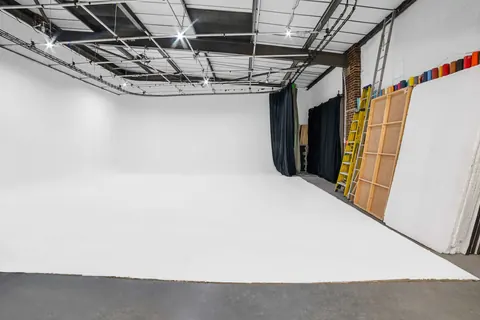
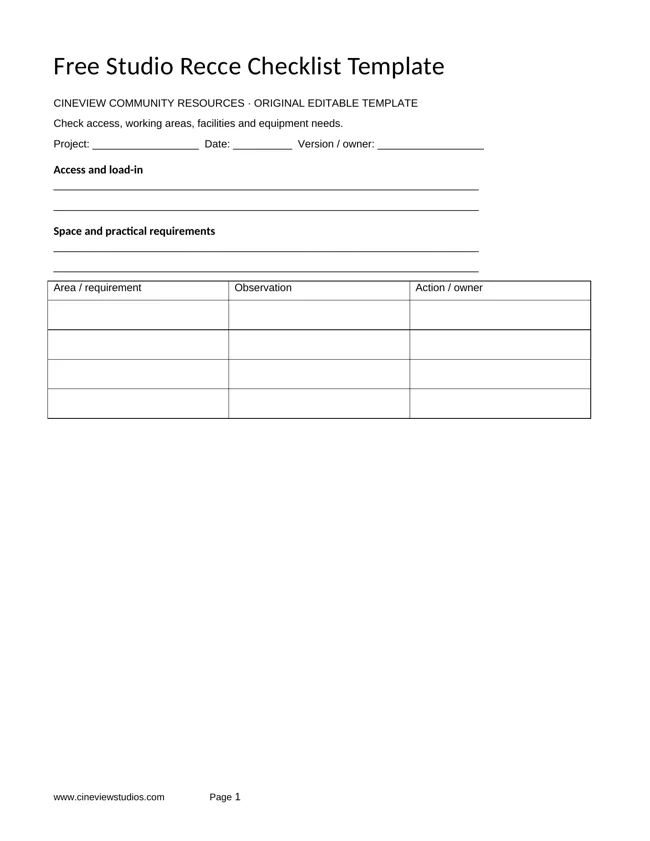
Check the practical details during the recce. Can cases, flats and product stock come straight in at ground level? Is there enough ceiling height to place lights properly and keep stands out of the frame? Can the room be blacked out when daylight becomes inconsistent? Is there room for a working set, a client viewing area, hair and make-up, wardrobe and equipment without everyone competing for the same few square metres?
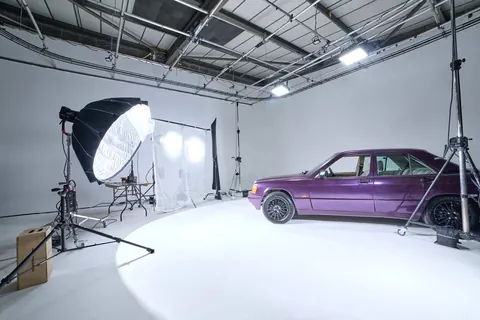
The answer depends on the shoot. A clean e-commerce product day may only need a controlled tabletop area and dependable tethering. A fashion campaign, vehicle shoot or multi-set production needs more: generous access, high ceilings, a lighting grid, space to build and reset, and enough room to keep the crew productive. Booking a larger, properly equipped studio can cost more upfront, but it often costs less than losing a half-day to impractical access or constant moves.
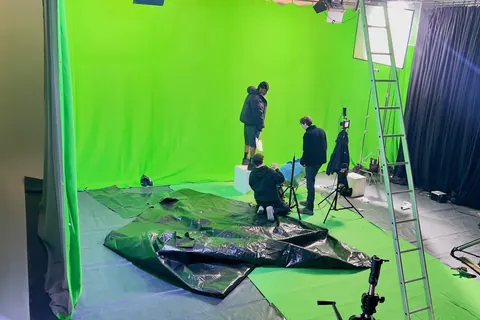
For productions that need an infinity cove, green screen, blackout control or a built set, confirm the finish, dimensions and changeover expectations in advance. Do not assume a studio can absorb paint, water, haze, heavy fixtures or construction work without prior agreement.
Schedule for setup, decisions and changeovers
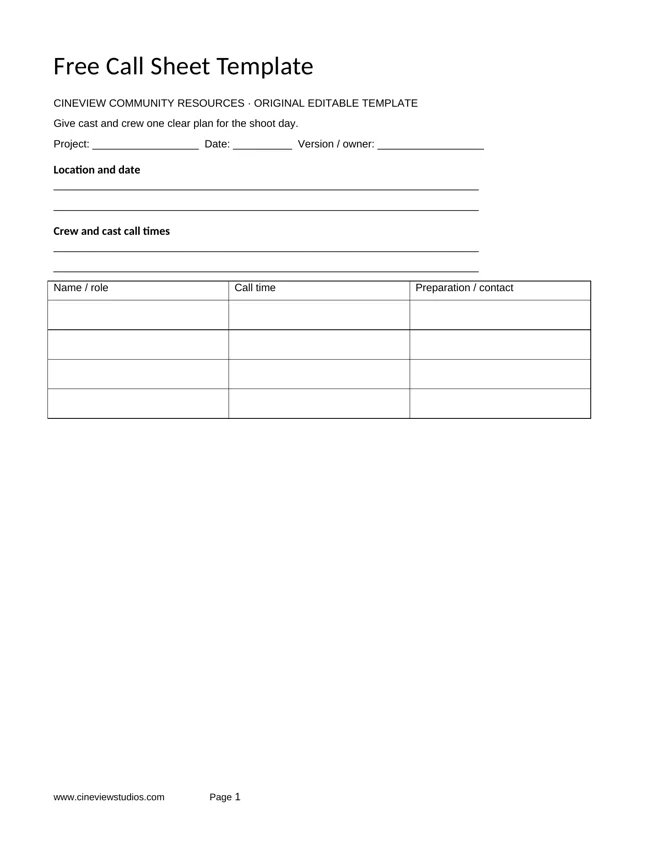
The call sheet is a working plan, not a hopeful list of timings. Give the crew realistic setup time before talent or clients arrive. A pre-light can be one of the most valuable hours in the schedule, especially when the first setup is technically demanding or the client expects to review images immediately.
Build the day in blocks. Allow time for loading in, safety checks, set dressing, lighting, test shots, client sign-off, lunch, setup changes, backups and loading out. The more people who need to approve an image, the more time the decision process needs. A five-minute review becomes 20 minutes very quickly when brand, agency and marketing stakeholders are all present.
Avoid scheduling every frame at maximum speed. Leave contingency around the shots that involve children, animals, food, reflective products, complicated styling or heavy retouching considerations. These variables are manageable, but they are rarely predictable to the minute.
A useful rule is to put the highest-value, least-repeatable work early in the day. If a particular talent, product sample or lighting condition is central to the campaign, shoot it before fatigue, delays or a late delivery can affect the result.
Confirm lighting, camera and digital capture early
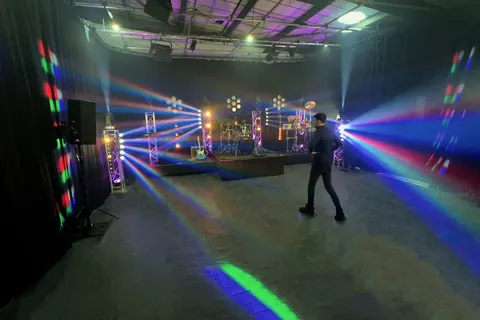
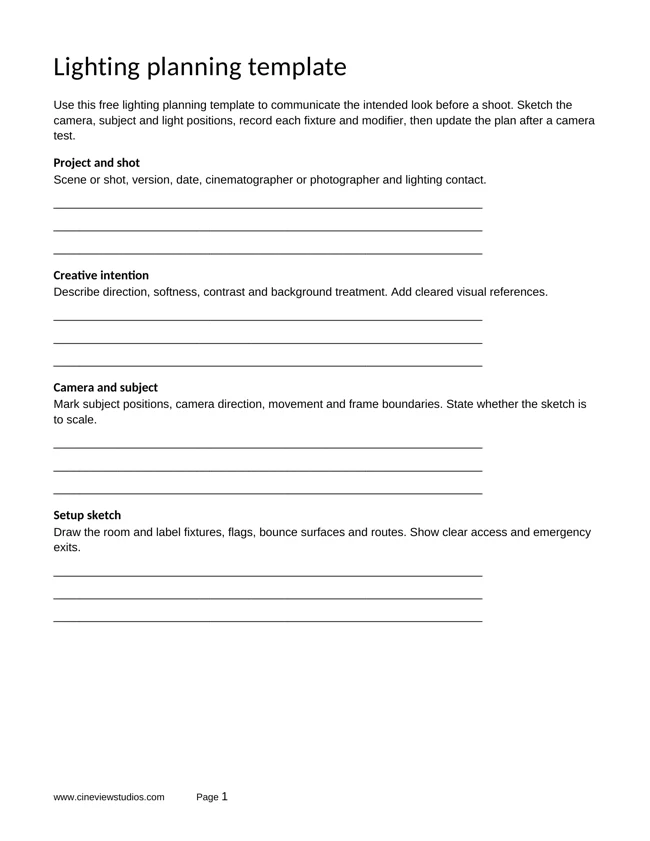
A lighting plan should cover more than the visual reference. Establish whether the look needs hard sunlight, soft wrap, moving light, practical fixtures, flash, continuous lighting or a mixture. Then check that the required heads, modifiers, stands, flags, grip and power are available in the quantities needed.
This is particularly relevant when shooting polished products. Glossy packaging, jewellery, glass and chrome often require precise flagging and controlled reflections, not simply more light. Allow space for the camera position, the product table and the black and white cards that shape the reflections.
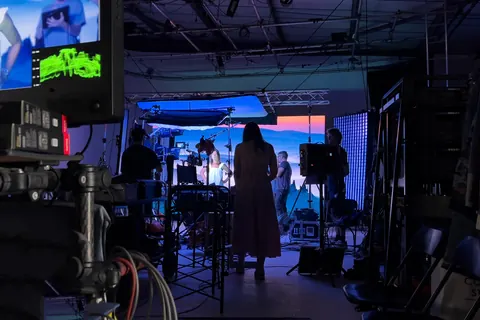
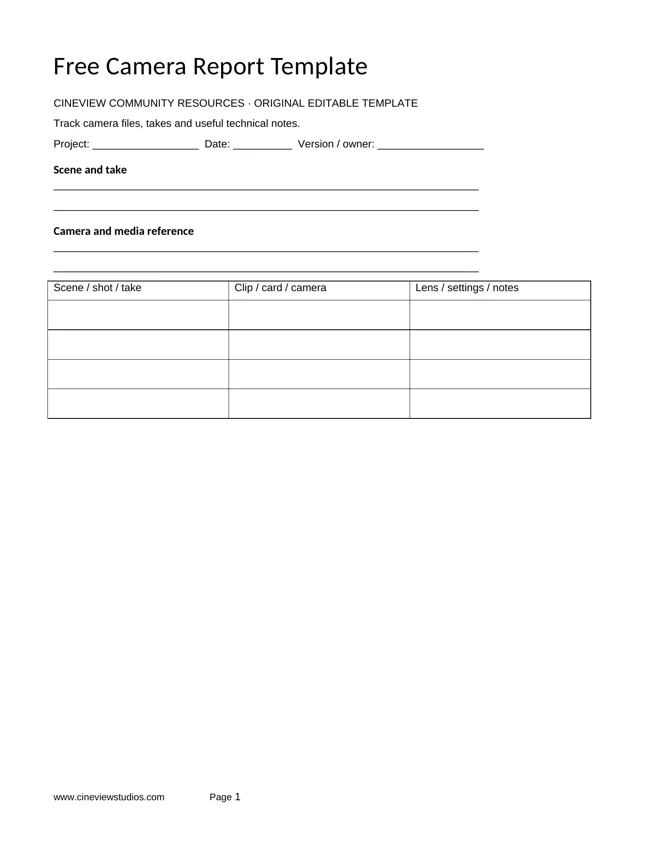
Tethered capture also deserves a plan. Decide where the monitor will sit, who can make selects, how files will be named and where the first backup will be stored. A digital operator is not essential for every shoot, but on high-volume e-commerce or client-attended campaign days, it can prevent small approval issues becoming costly reshoots.
Bring redundancy where it matters. Spare batteries, cards, cables, capture drives and a backup camera body are far cheaper than a cancelled afternoon. If equipment is being hired separately, confirm collection, delivery and return times against the studio booking rather than assuming they will align.
Treat access and crew comfort as production considerations
Good access is not an admin detail. It determines how efficiently a crew can start, how safely they can move equipment and whether a complex set is realistic within the booked time. Confirm parking, loading arrangements, shutter or lift access, vehicle dimensions and the route from arrival point to set.
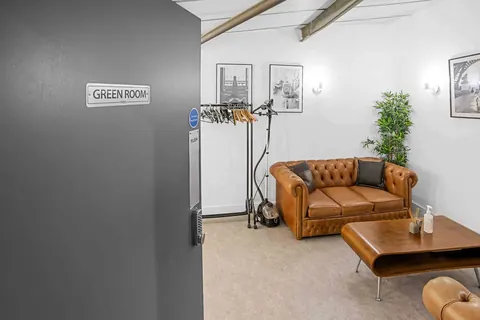
The same goes for the people on set. Make sure there is a clean space for hair and make-up, a place for wardrobe, enough seating for client attendees and a sensible catering plan. Crew do better work when they are not eating beside cases or trying to review imagery in a corridor. On longer days, comfortable client and crew areas also reduce interruptions to the working set.
Cineview Studios is designed around these practical needs, with ground-floor drive-in access, free parking, substantial shooting space and in-house lighting and grip support. For a production with larger equipment, multiple departments or a demanding shot schedule, those details give the day more room to work.
Run the final checks 24 hours before call time
The day before the shoot, circulate a final version of the call sheet and confirm any changes directly with the people affected. Check product quantities, talent travel, weather if anyone is arriving from an exterior location, studio access details, catering numbers and the first setup. Ask the photographer, stylist and lighting team one direct question: what could stop you starting on time?
That question often exposes the missing item – a specific adapter, the correct sweep, a garment rail, an extension lead, a signed release or a sample that is still with a courier. Solve it while there is time.
On the day, keep the shot list visible, designate one person to manage approvals and protect the photographer from unnecessary conversations. Production works best when creative decisions reach the right person quickly and the crew can focus on making the next setup happen.
A well-planned shoot does not feel rigid. It feels calm because the team has already made the decisions that can be made in advance, leaving enough space for the decisions that genuinely need to happen on set.
One thought on “Photo Shoot Planning Checklist for Better Shoot Days”