
Studio with Free Parking London Shoots Need
Anyone who has tried to get a shoot moving in London knows the problem starts long before the first frame. It starts with vans circling for a bay, crew carrying kit from two streets away, talent arriving late because parking is unclear, and a call sheet that is already under pressure before cameras are up. That is why finding a studio with free parking London crews can actually use is not a nice extra. It is a production advantage.
Parking sounds mundane until you are managing lighting, styling rails, props, playback, catering and client attendance on the same day. Then it becomes obvious that access shapes the pace, cost and mood of the entire job. A good studio is not only about what happens on set. It is about how quickly you can get into set, how safely you can unload, and how much wasted time you can remove from the day.
Why a studio with free parking in London matters
A London studio can look good on paper and still work badly in practice. You may have the square footage, a decent day rate and a respectable location, but if the crew spends the first hour hauling cases from a paid car park, the economics shift fast. Parking charges add up. Delays add up faster.
For photographers, filmmakers and agencies, free on-site parking helps keep the day controlled. You reduce travel friction for crew cars and production vans. You make call times more realistic. You avoid the usual last-minute scramble around permits, loading restrictions and penalty notices. For commercial productions, that matters because every delay affects more than one department.
There is also a direct budget point here. London studio hire often comes with hidden operational costs. You may save a little on the booking itself, only to spend more on parking, overtime and extra hands to move equipment. A properly set up studio with free parking can be the cheaper option even when the headline rate is not the lowest.
What to look for beyond the parking bay
If you are searching for a studio with free parking London offers, the parking itself should not be the only filter. The real question is whether access supports the kind of production you are running.
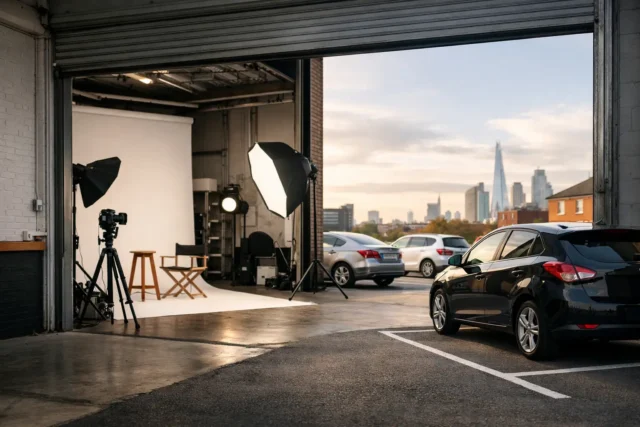
Ground-floor entry makes a major difference. So does shutter access, especially if you are bringing in larger set pieces, product rigs or multiple flight cases. A space may advertise parking, but if unloading still means negotiating stairs, narrow corridors or a lift timetable, the benefit is reduced.
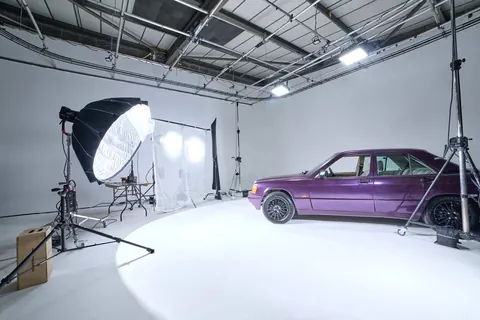
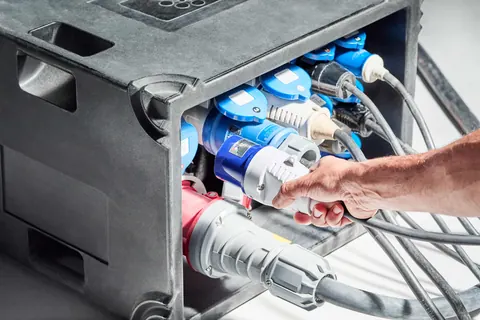
The best setups combine parking with drive-in or near-door loading, high ceilings, proper studio power and enough room to stage kit without turning the floor into a storage problem. That is where a studio stops being simply available and starts being production-ready.
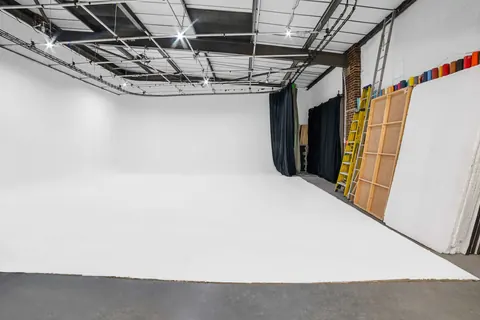
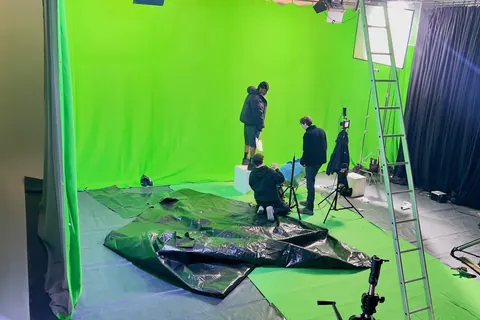
A large cove, blackout capability and green screen studio options are useful, but they work best when the logistics are equally thought through. There is not much value in hiring a strong technical space if basic movement in and out remains awkward.
Parking affects more than transport
The impact of free parking reaches into the entire working day. Clients arrive calmer when they know where to go. Stylists can bring fuller rails rather than editing down to what fits in a cab. DOPs and gaffers have more flexibility on kit choices when van access is straightforward. Even catering becomes easier when suppliers can load in efficiently.
This is especially relevant for shoots with multiple stakeholders. Branded content, e-commerce campaigns, music videos and agency productions often have more people attending set than the booking notes first suggest. When those attendees have a clear arrival process, the day starts cleaner and runs with fewer interruptions.
There is also a crew welfare point that should not be ignored. London shoot days are long enough. If your team begins with a stressful unloading process and ends with another difficult pack-down, it has an effect on energy and focus. A better access setup is not glamorous, but it improves working conditions in a real and measurable way.
The difference between cheap hire and good value
A lot of London spaces compete on price while quietly offloading practical headaches onto the client. Limited access hours, no meaningful parking, patchy equipment provision and little flexibility around pre-rigging can turn an apparently affordable booking into a compromised production day.
Good value looks different. It means the studio helps you protect time, labour and creative control. If your team can arrive, unload, pre-light and begin without wasting the first part of the booking on logistics, you are buying efficiency as well as floor space.
That distinction matters even more for smaller teams. Independent creators, start-ups and lean agency crews do not always have runners and extra hands available to absorb poor logistics. They need a space that removes friction rather than adding to it. In that context, free parking is part of a wider operational benefit, not a standalone perk.
Studio with free parking London teams can scale into
Not every production needs the same setup. A product shoot for an online retailer has different demands from a car commercial, a talking-head interview or a fashion editorial. The right studio should be able to flex around those differences without forcing a compromise on access.
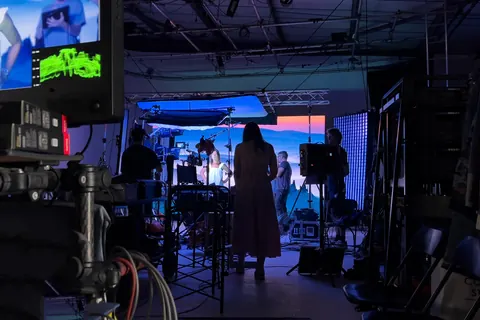
For straightforward photography, free parking helps with props, sample stock and styling kit. For film work, it supports van-based lighting and grip packages, playback setups and a smoother crew flow. For larger productions, it becomes even more important because the volume of movement is higher and the cost of delay is sharper.
This is where full-facility studios stand apart from smaller day-hire rooms. A proper production environment can handle pre-rigging, larger builds and longer days more effectively because the infrastructure is designed for work, not just for hire. If a space also runs 24/7, that gives producers more control over schedule, especially when turnaround time is tight.
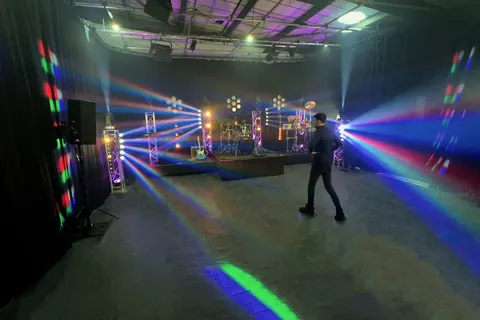
At Cineview Studios, that practical thinking sits at the centre of the offer – from free parking and drive-in access to high ceilings, in-house equipment and a layout built for commercial production rather than makeshift compromise.
Questions worth asking before you book
Before confirming any London studio, it is worth pressure-testing the access in plain terms. Ask how many vehicles can park on site and whether that changes with the size of your booking. Check how close parking is to the studio floor. Confirm whether there is shutter access or only standard doors. Ask if pre-lighting is possible and whether equipment can remain safely in place between call times.
You should also ask what is included on site. Parking matters most when it sits alongside the other essentials that reduce movement and cost. If lighting, grip and practical support are already available in the building, your transport burden is lower from the outset.
There are trade-offs, of course. A central postcode may be convenient for some attendees but less practical for vans and larger unit moves. A slightly less congested location with stronger access can be the better commercial decision, particularly for jobs with substantial kit, set build or frequent client attendance.
Why this matters for creative output
Studios are often judged by visuals alone, but productions succeed on workflow. When access is poor, teams start cutting corners. Fewer lighting options get brought in. Set elements are reduced. Turnarounds become tighter than they need to be. Creative decisions start getting shaped by logistics.
A better studio setup gives you room to keep standards high. You can bring the right equipment instead of the easiest equipment. You can move faster without rushing. You can protect the shoot against the usual London delays that chip away at time and budget.
That is the real value of choosing a studio with free parking in London. It does not just save money on a parking ticket. It gives the entire production a stronger operating base. And when the space also offers proper technical capability, flexible access and crew-friendly working conditions, the job has a better chance of finishing on time and looking the way it should.
If you are comparing studios, look past the brochure language and ask a simpler question: will this space help the day run properly? If the answer includes easy loading, reliable access and free parking, you are already making a smarter start.
3 thoughts on “Studio with Free Parking London Shoots Need”