
What Makes a Photo Studio Worth Hiring?
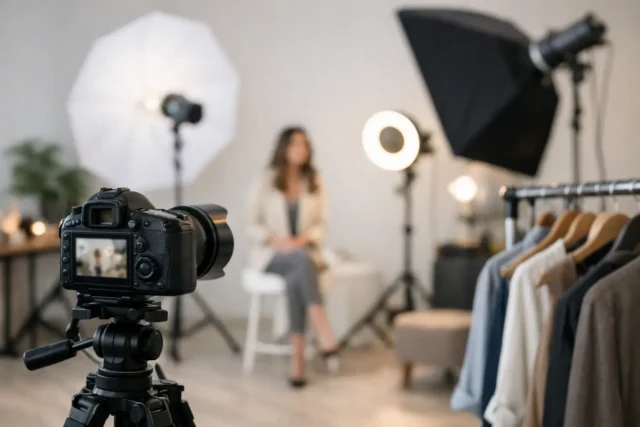
A good photo studio does more than give you four walls and a white backdrop. It affects how quickly you get set-up, how much kit you can realistically run, how comfortably clients can work on site, and whether your shoot stays on budget or starts slipping by mid-morning. In London especially, the difference between a usable studio and an expensive compromise is often obvious the moment the van arrives.
Why the right photo studio changes the whole shoot
Plenty of studios look fine in pictures. The real test is what happens when production starts. If access is awkward, ceilings are low, power is limited or the room is tighter than expected, the whole day becomes harder than it needs to be. Crews spend more time problem-solving and less time shooting.
That matters whether you are running a commercial stills production, e-commerce shoot, editorial campaign or hybrid photo and video day. A proper studio should reduce friction. It should help you move equipment in quickly, rig lights safely, control the environment properly and keep the schedule moving.
For brand teams and agencies, that also means presenting a professional environment to clients. For photographers and producers, it means fewer compromises in framing, lighting and set design. The best spaces save money not because they are cheap, but because they are efficient.
What to look for in a photo studio
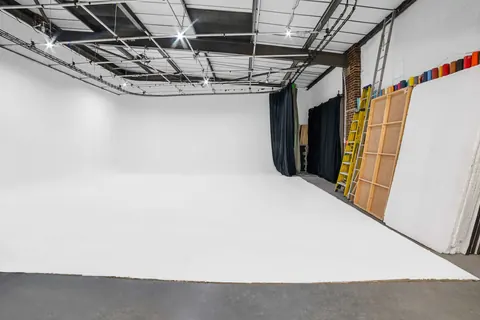
Space is the first filter, but square footage alone is not enough. Ceiling height is often what separates a workable studio from one that limits your lighting options. If you need to boom overhead, soften properly, rig larger modifiers or shoot taller sets, low ceilings will box you in very quickly.
Access is just as important. Ground-floor loading, shutter access and drive-in capability can save hours across a full production day. If your team is carrying flats, props, roll rails or larger lighting packages through narrow corridors and lifts, you are paying for that inefficiency somewhere.
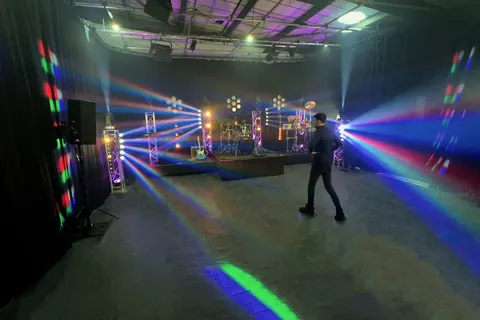
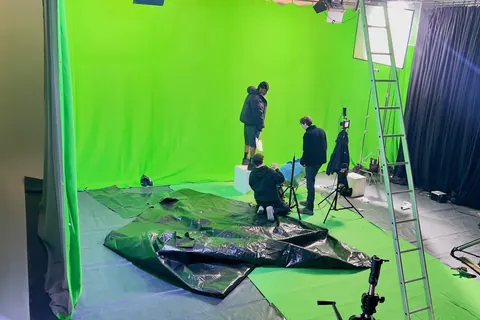
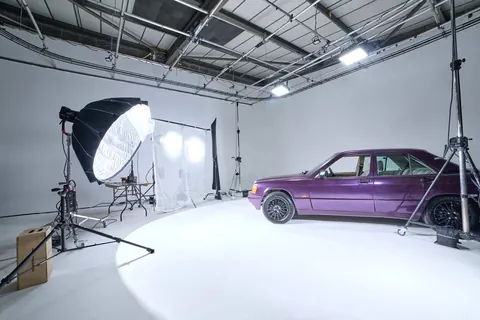
Then there is the question of studio infrastructure. A lighting grid, blackout capability, infinity cove, green screen and pre-rigging support are not nice extras on the right job – they are what make the job possible. If you are shooting polished campaign imagery, car content, product work or content with moving parts, the space needs to support the brief rather than force a workaround.
Parking also matters more than many people admit when booking. In London, free on-site parking is a genuine operational advantage. It keeps call times realistic, simplifies load-in and makes life easier for freelance crew, stylists, assistants and clients coming and going through the day.
Cheap hire can cost more than you think
A low day rate can look attractive until you add the missing pieces back in. If the studio has limited in-house lighting, no grip, poor access, strict hours or extra fees for basics, your production cost rises fast. You also lose time, and time is usually the bigger cost.
This is where many teams get caught out. They book a smaller or cheaper room assuming they will make it work, then discover the set-up takes longer, the shots are more constrained and the crew has less room to operate. That affects output. It can also affect morale, especially on longer shoot days with clients on set.
A better approach is to look at total production value. Ask what is included, how much flexibility the studio gives you, and whether the space is built for real commercial workflow. A studio that supports pre-lighting, flexible call times and proper equipment access will often deliver better value than one with a lower headline price.
Photo studio features that matter for different productions
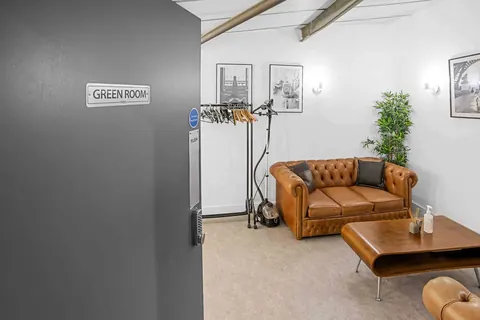
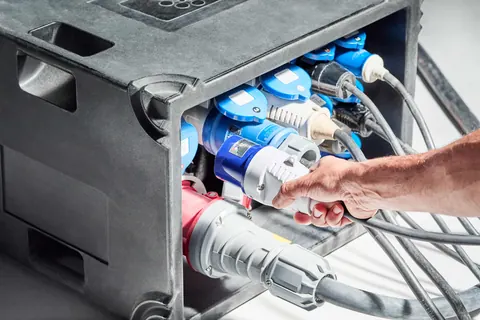
Not every shoot needs the same set-up, so the right studio depends on the brief. Product and e-commerce work often benefits from blackout control, reliable power and enough room to run multiple lighting scenes efficiently. Fashion and editorial shoots usually need stronger client presentation, better hair and make-up flow, and enough depth to shoot cleanly without fighting the walls.
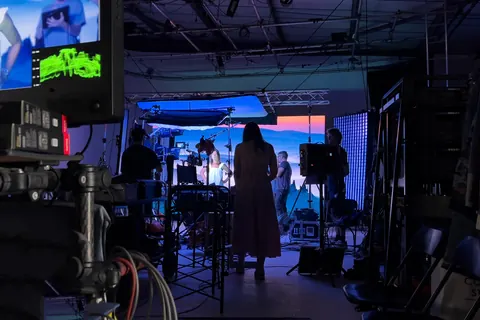
For advertising campaigns, branded content and mixed stills-video productions, versatility becomes more important. A studio that can switch between photo and motion, support set builds and accommodate larger crews gives production teams more control. That is particularly useful when budgets are under pressure and one location needs to do several jobs.
If vehicles, oversized props or scenic elements are involved, access and scale become non-negotiable. This is where a purpose-built facility pulls ahead of the typical small London studio. The difference is not cosmetic. It is practical, and it shows up in your schedule, your options and the final result.
Why London crews need more from a studio
London studio hire is crowded, but not all spaces are designed around production reality. Many are adapted buildings with limited loading access, restricted opening hours and layouts that work better for small test shoots than full commercial days. That can be manageable for a very simple brief, but once you add agency teams, talent, art direction and a proper equipment package, limitations appear quickly.
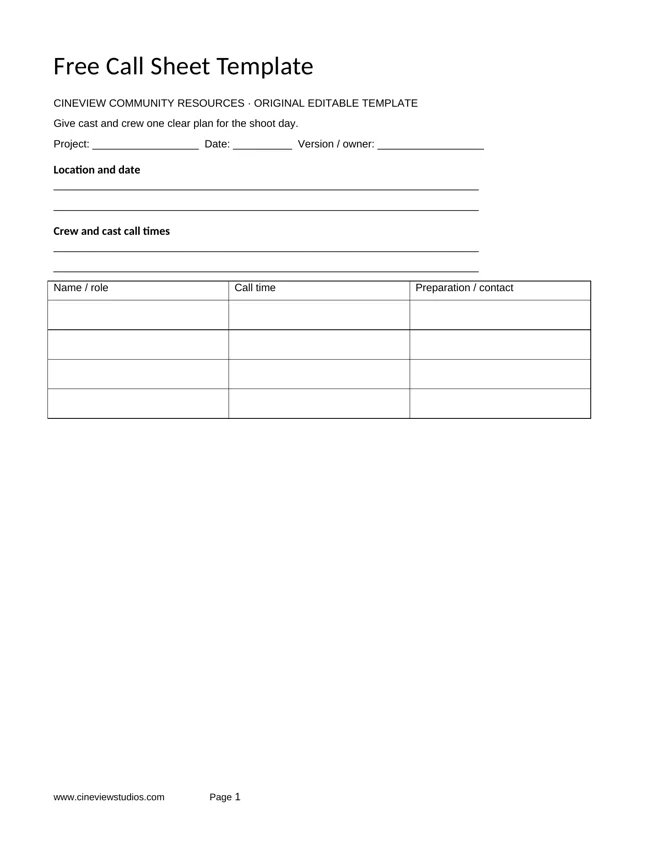
Studios that are open 24/7, offer proper in-house kit and are designed for both photography and filming give crews more room to work properly. That flexibility matters when call sheets shift, when pre-rigging saves the next morning, or when a straightforward shoot develops into something more ambitious on set.
This is exactly why production teams choose facilities like Cineview Studios. The point is not just to hire a room. It is to book a space that works like a production asset.
When you are comparing your next photo studio, look past the gallery shots and the day rate. Ask how the space will perform once the crew arrives, the kit rolls in and the client is standing behind the monitor. That is where the right decision pays off.