Rent Studio Space That Works for Production
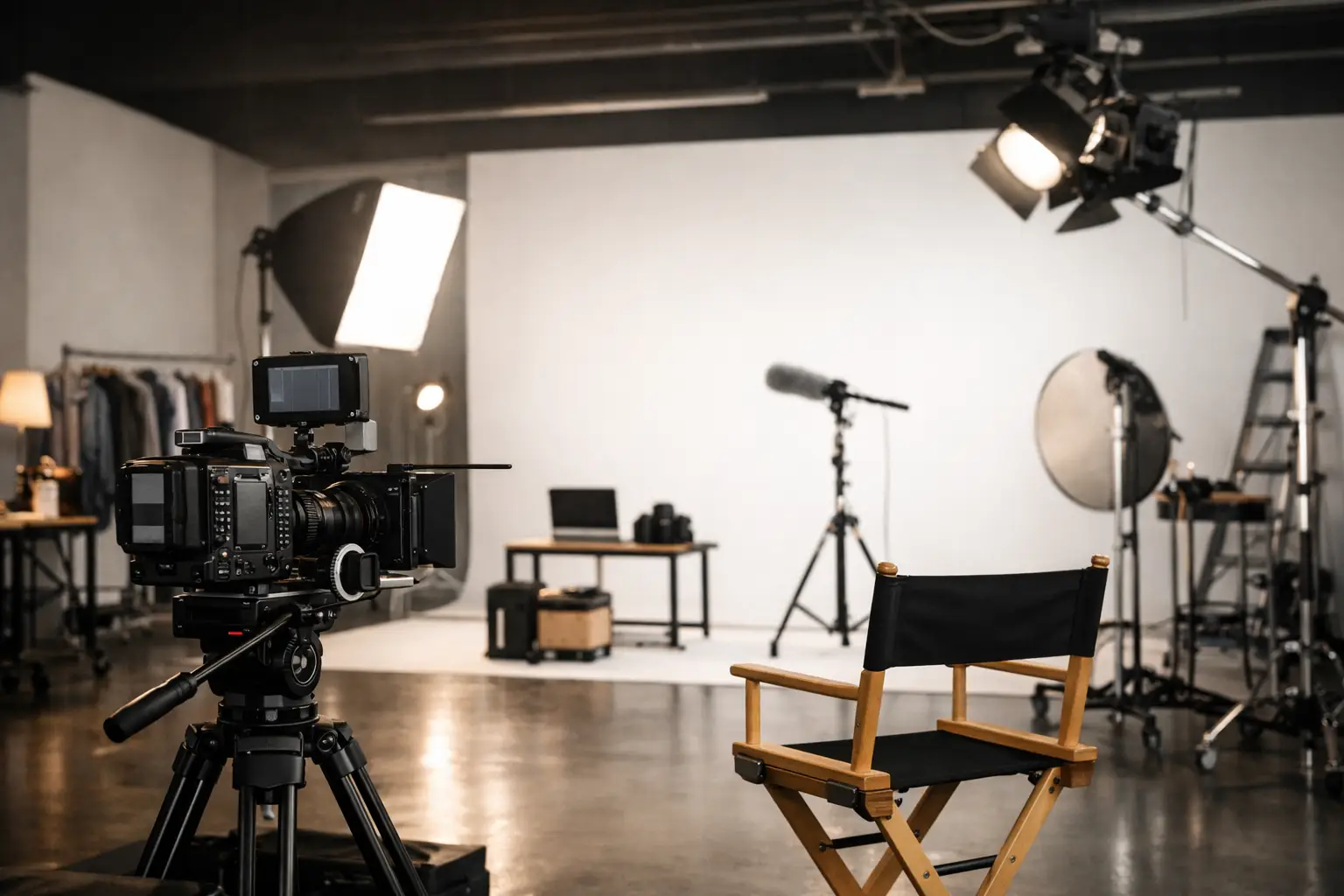
If you need to rent studio space in London, the wrong venue will usually show its problems before the first shot is framed. Tight access, poor ceiling height, limited power, no room for clients, extra equipment costs and rigid booking terms all slow a production down. The headline day rate may look reasonable, but the real cost appears on set when your crew is waiting, your schedule slips and your options narrow.
That is why studio hire should be assessed as a production decision, not a room booking. For photographers, filmmakers, agencies and brand teams, the best space is the one that removes friction. It gives you the scale to build, the control to light properly and the access to move fast from load-in to wrap.
What to check before you rent studio space
The first question is not price. It is whether the studio fits the job. A fashion editorial, a product campaign and a commercial shoot may all require very different conditions, but the same fundamentals still matter: workable space, reliable access and enough built-in capability to avoid hiring half the production separately.
Ceiling height is one of the biggest differentiators. Low ceilings restrict lighting options, limit rigging and make larger set-ups harder than they need to be. If you are shooting talent, vehicles, larger products or constructed sets, generous height changes what is possible and how quickly your crew can achieve it.
Access matters just as much. Ground-floor loading, shutter entry and drive-in capability are not luxury features. They save labour, reduce risk and cut dead time at the start and end of the day. In London, free parking is another practical advantage that directly affects budget and crew logistics.
Then there is technical readiness. A studio with an infinity cove, blackout capability, green screen, lighting grid and in-house grip gives you more control before extra hire costs start stacking up. If the production needs pre-lighting or pre-rigging, those options can make the difference between a smooth call sheet and an overrun.
Why cheaper studio hire often costs more
A low day rate can be misleading when the space is under-equipped. If you have to bring in basic lighting support, work around poor access, pay for parking, squeeze departments into separate areas or compromise your shot list because the studio cannot support it, the savings disappear quickly.
This is where experienced production teams look beyond the headline figure. They are comparing total shoot efficiency. A better-equipped studio can reduce transport costs, shorten set-up time and limit external hire. It can also improve the client experience, which matters when agency teams, brand stakeholders or talent are on site all day.
When you rent studio space, the real question is simple: does this venue help the production move, or does it create more problems for the crew to solve?
The features that actually improve a shoot day
Production-friendly studios tend to stand apart in obvious ways. They are designed for working crews rather than adapted from awkward industrial or creative spaces that look good in photos but fail under pressure.
A proper lighting grid opens up cleaner rigging and faster resets. Blackout control gives cinematographers and photographers consistency across the day. An infinity cove creates flexibility for stills, video and e-commerce without the need for extensive scenic work. Green screen and virtual production capability add another layer of versatility for teams producing campaign, branded and commercial content.
Equally important is how the space handles scale. If you need to build sets, move large props, roll in vehicles or split the studio between shooting and support areas, layout matters. A space that can accommodate crew, kit, clients and talent without everyone working on top of each other is not just more comfortable. It is more efficient.
Who should rent studio space instead of using a smaller setup
Not every shoot needs a large-format studio, but many productions outgrow smaller spaces earlier than expected. Product brands scaling from simple packshots into campaign assets, agencies producing multiple deliverables in one day, filmmakers managing art direction and lighting requirements, and photographers needing room for larger teams all benefit from a more capable environment.
This is particularly true when the brief includes motion and stills in the same booking. A studio that supports both without a full reset between formats gives you better output from the same production spend. For commercial shoots, that flexibility is often more valuable than shaving a little off the hire fee.
For teams that want affordability without compromising on function, Cineview Studios is built around exactly these requirements. The advantage is not only the space itself, but the fact that it is designed to support real production workflows from load-in to final shot.
Rent studio space with the full job in mind
The best studio decision is usually the one that makes the day simpler. Look at access, height, built-in facilities, equipment availability, parking, opening hours and whether the venue can support your brief without workarounds. A studio should expand your options, not force compromises.
If the space helps your crew move faster, gives your creatives more control and keeps your production costs predictable, it is already doing more than just providing four walls and a floor.
2 thoughts on “Rent Studio Space That Works for Production”