
Photo Studio Hire Comparison That Saves Time
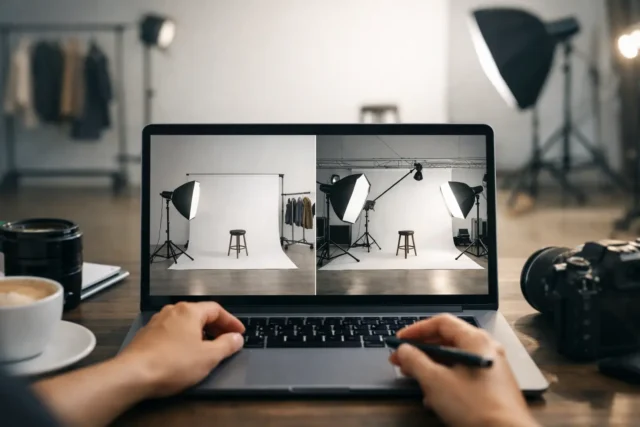
If you are making a serious photo studio hire comparison, the hourly rate should not be the first thing you look at. On paper, one studio may seem cheaper. On the day, that same space can cost you far more in lost shooting time, delivery delays, access issues and extra kit hire. For commercial shoots, e-commerce sessions, branded content and editorial work, the real question is simple: does the studio help the production move efficiently, or does it slow everything down?
That is where many London studio searches go wrong. A listing can look polished, the day rate can appear competitive, and the photos can suggest a versatile space. Then the crew arrives and discovers low ceilings, awkward load-in, limited power, no parking, poor blackout control or a studio manager who cannot support a fast-moving set. A good studio is not just a room. It is part of the production workflow.
What a photo studio hire comparison should actually measure
A proper photo studio hire comparison needs to go beyond size and price. Floor area matters, but usable production space matters more. A studio advertised as large can still feel restrictive if half the room is compromised by low-hanging fixtures, awkward columns or limited rigging options.
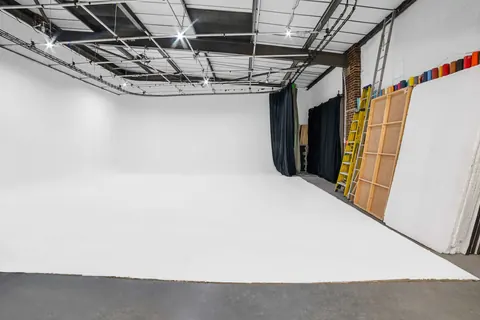
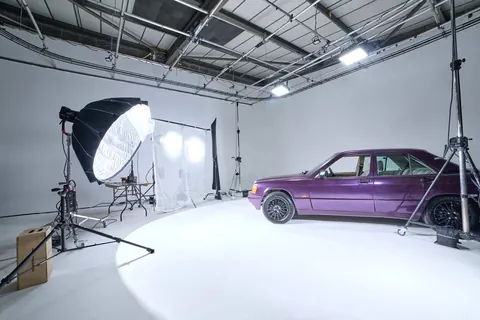
Ceiling height is one of the clearest dividing lines between a basic hire space and a genuinely production-ready studio. If you are lighting fashion, automotive details, product campaigns or moving image content, low ceilings quickly become a constraint. They limit rigging options, reduce lighting control and force compromises on framing. A high ceiling with a proper lighting grid gives crews more freedom and shortens setup time.
Access is another detail that gets underestimated until it causes a problem. Ground-floor entry, shutter access and drive-in capability are not luxury features. They are practical advantages that reduce labour, protect kit and keep the schedule on track. If your set build, props, styling kit or heavy cases need to pass through a narrow corridor or service lift, that cheap day rate starts looking less attractive.
Comparing price properly
The cheapest studio is rarely the cheapest production option. Rates only tell part of the story. You need to assess what is included, what is chargeable and what you will need to source elsewhere.
Some studios keep the hire fee low and recover margin through add-ons. That may include lighting, grip, blackout materials, power usage, overtime, parking or pre-rig support. Other spaces may look more expensive at first glance but include enough infrastructure and equipment to reduce external hire and crew hours.
This is where experienced producers and photographers usually make the sharper call. They know a slightly higher studio fee can be the better commercial decision if it removes friction from the day. One extra hour of crew time, courier costs for emergency kit, or delayed shooting because the space is under-equipped can wipe out any saving immediately.
Space is not just square footage
When comparing studios, ask what kind of production the room can realistically support. There is a difference between a studio that can host a portrait session and a studio that can handle a full campaign build with agency, client and crew on site.
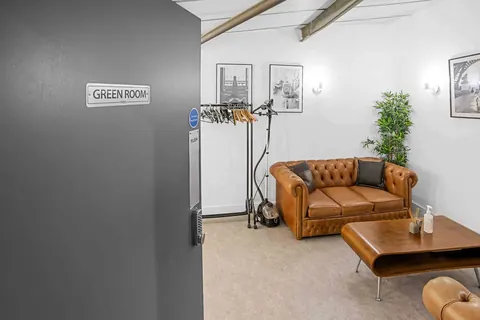
Look at the proportions of the room, not just the dimensions. Is there enough depth for long lens work? Can the team light properly without backing into walls? Is there room for video village, styling, hair and make-up, product prep or art department support? Does the space still function once a set, sweep or prop install is in place?
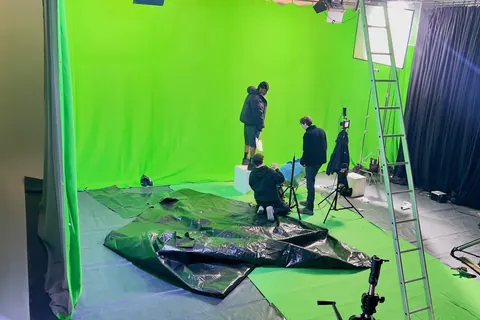
Studios with an infinity cove studio, blackout capability and green screen studio options offer more flexibility across stills and motion. That matters if the brief evolves, if you are capturing multiple deliverables in one booking, or if the client wants to adapt the shot list late in the day. Versatility on set has direct commercial value.
The hidden cost of poor access
London crews know this well. Access can make or break a shoot day. A studio with awkward loading arrangements, restricted access hours or no nearby parking adds pressure before cameras are even unpacked.
If you are moving lighting cases, flats, rails, props or larger scenic items, ground-floor access saves time and reduces risk. Free parking also matters more than many listings suggest. Paid parking for multiple vehicles, especially across a long day, adds real cost. It also makes call times harder to manage and complicates load-out.
For larger commercial productions, 24/7 opening is another practical advantage. Not every job runs neatly inside office hours. Pre-lighting the night before, building a set early, or wrapping late can make the difference between a calm shoot and an expensive overrun. Flexible access gives productions room to work properly.
Equipment and technical readiness
A studio without the right in-house kit can turn a simple job into a fragmented one. You spend more time coordinating external suppliers, checking deliveries and troubleshooting substitutions. That is manageable on some shoots, but inefficient on most.
The stronger option is usually a studio with substantial in-house lighting and grip equipment, plus a team that understands how productions actually use it. This does not mean every job needs a fully loaded package. It means the facility should be able to support different scales of production without making the client build the infrastructure from scratch every time.
Pre-lighting and pre-rigging support are especially useful on tighter schedules. They allow crews to walk into a setup that is already moving in the right direction. That saves paid hours and reduces pressure on first shot. For agencies and brand teams, it also creates a more controlled client experience.
Photo studio hire comparison for stills versus hybrid shoots
A lot of bookings are no longer purely photographic. One day you are shooting packshots and campaign stills, the next you need motion clips, interviews or social cutdowns from the same set. Your photo studio hire comparison should reflect that reality.
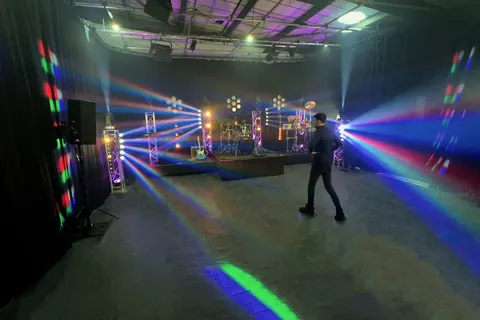
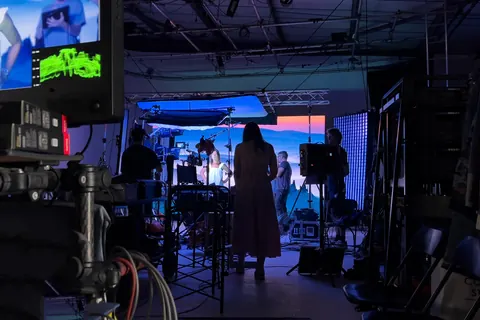
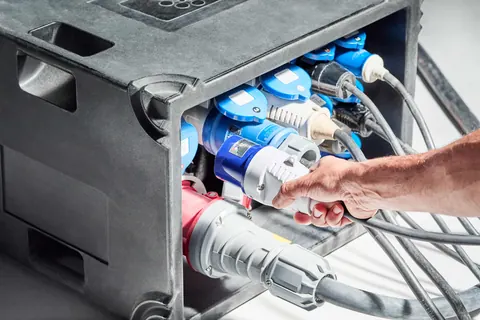
A studio that only works for stills can become limiting if the brief expands. Blackout control, sound considerations, ceiling height, power distribution and rigging capacity all become more important once video enters the frame. The more your output spans e-commerce, campaign imagery and short-form motion, the more valuable a hybrid-capable studio becomes.
This is one reason production teams increasingly favour studios built around commercial functionality rather than aesthetic minimalism. A stylish space may look good in a gallery of images, but if it cannot support efficient changeovers, controlled lighting and multiple content formats, it is not doing enough for the budget.
Support on the day matters more than branding
Not every issue can be solved in pre-production. Timings shift, clients add requests, props arrive late and weather changes the plan. The question is whether the studio team can respond in a useful way.
A well-run studio should feel like an asset to production, not just a venue provider. That means practical communication, technical understanding and a realistic grasp of what crews need under pressure. It also means the facility is set up for working professionals, with the basics covered properly rather than treated as extras.
This is where the best spaces separate themselves from generic hire venues. They are run by people who understand turnaround times, equipment handling, setup constraints and client expectations. That experience has value, especially on commercial jobs where time is expensive and mistakes are visible.
What to ask before you book
The fastest way to improve a photo studio hire comparison is to ask better questions. What is included in the rate? How much of the space is fully usable? What is the ceiling height to the grid? Is there direct load-in? Can the studio support blackout, green screen studio or set build requirements? What parking is available? Can you pre-rig the day before? What equipment is on site, and who can help if the brief changes?
Those answers will tell you more than a polished image gallery ever will. They will also show whether the studio is built for hobby use, simple content capture or serious commercial production.
For London crews in particular, the strongest choice is often the studio that removes the usual friction points – cramped layouts, poor access, limited kit and inflated pricing for underwhelming functionality. Cineview Studios is positioned around exactly that gap: a large-scale, production-ready environment that gives crews the technical features they actually need without the usual compromise on cost or workflow.
A smart booking decision is rarely about finding the lowest headline rate. It is about choosing a space that gives your team room to work, keeps the day moving and helps the final images look as considered as the production behind them.