How to Setup Photo Studio Space Properly
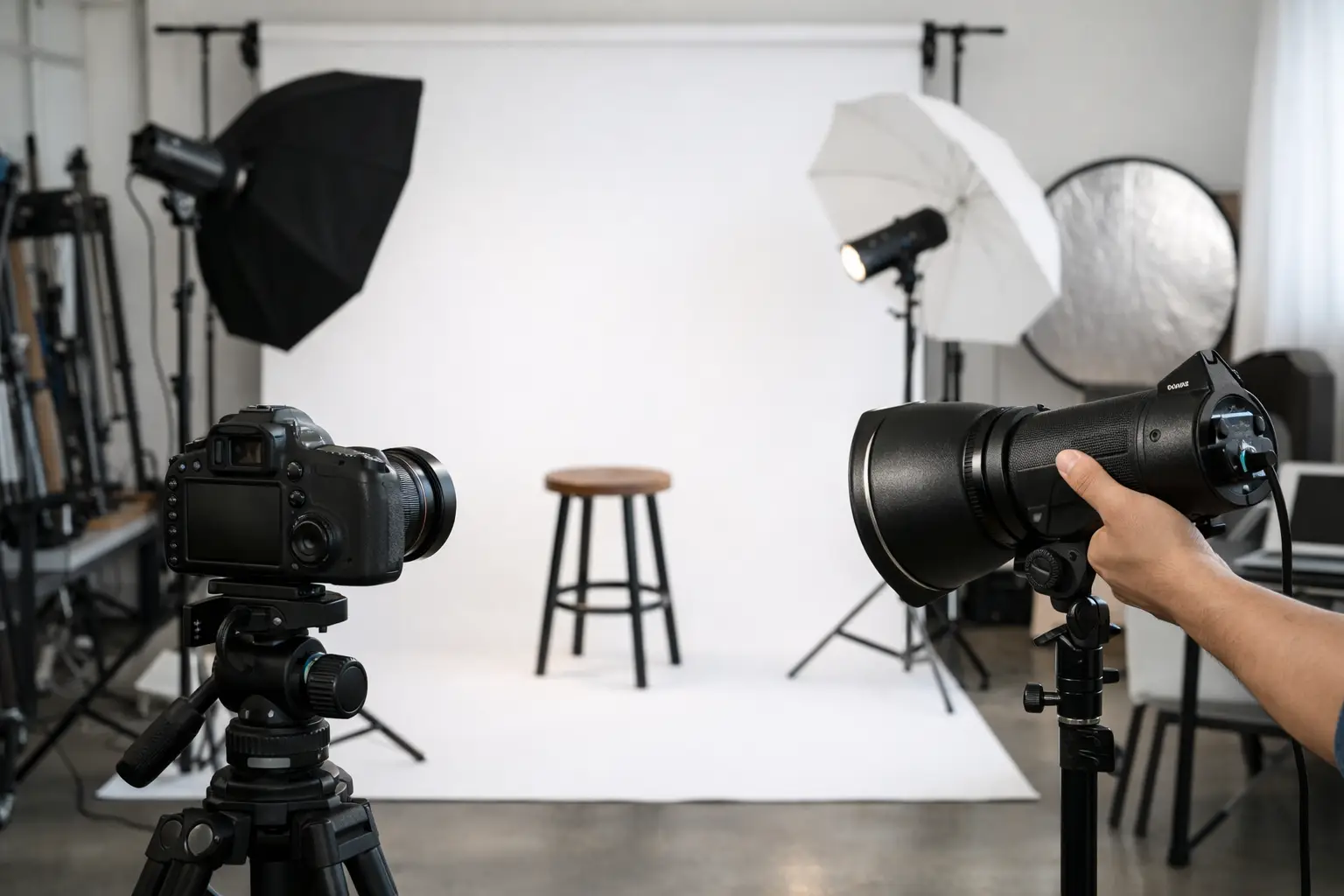
A bad studio setup costs more than the day rate. It slows the crew, limits lighting options, creates avoidable reset time and puts pressure on every part of the shoot. If you need to setup photo studio space properly, the goal is not just to make it look professional. It is to make the whole production run faster, safer and with fewer compromises.
That matters whether you are shooting e-commerce packs, editorial portraits, campaign stills or hybrid photo and video content. The right setup gives you consistency, control and room to work. The wrong one leaves you fighting the space.
What a proper setup photo studio needs
The first question is not what camera or lights you own. It is whether the space can actually support the job. A usable photo studio needs enough depth for lens choice, enough ceiling height to shape light properly, and enough clear floor area to separate shooting, styling and client zones. If any of those are missing, your options shrink quickly.
This is where many London spaces fall short. On paper they look affordable, but low ceilings, awkward access and limited rigging turn simple setups into workarounds. If you are shooting talent, larger sets or multiple looks in one day, a cramped studio can become the most expensive problem on the call sheet.
A strong setup starts with the background. For clean commercial imagery, an infinity cove removes joins and gives you more flexibility with framing and floor shots. For dramatic lighting control, a blackout studio makes it easier to shape contrast and maintain consistency across a long day. If you need compositing or virtual environments, green screen and virtual production capability should be built into the space rather than improvised.
Layout matters more than most people expect
A good studio layout protects your workflow. Camera position, lighting zones, talent holding, styling tables, tethering station and client seating all need to coexist without cutting across each other. When crews are stepping over cases or moving stands every time the set changes, the day slows down.
The best approach is to divide the space by function. Keep the shooting area clean and clear. Place styling and kit prep near enough to move fast, but not so close that they contaminate the frame or block crew movement. If you are tethering, build that station where the photographer, digi and client can review images without standing in the operator’s way.
This becomes even more important on commercial jobs with agency and brand attendance. A client-ready environment is not a luxury. It helps sign-off happen faster and keeps decision-makers comfortable enough to stay engaged rather than hovering on set.
Lighting setup should suit the brief, not fight the room
Lighting is where weak studio spaces get exposed. If the ceiling is too low, you lose the ability to boom overheads cleanly or create even top light across larger sets. If there is no proper grid, every adjustment happens from the floor, which eats into the schedule and clutters the space.
For stills, a lighting grid and solid in-house grip package make a major difference. They allow quicker rigging, cleaner floor management and more controlled changes between looks. That matters for fashion, product, food and automotive work for different reasons, but the principle is the same: your studio should support the lighting plan rather than dictate it.
Pre-lighting is another area where experienced teams save time. If the studio can support pre-rigging before crew call, you remove a large chunk of non-productive morning setup. On tighter commercial schedules, that can be the difference between getting the hero shot and running out of day.
Access, load-in and parking are production issues
Studio selection often gets reduced to square footage and price, but access can have just as much impact on cost. Ground-floor load-in, shutter access and drive-in capability reduce handling time and make larger props, set flats and heavier kit far easier to manage.
If you are building scenery, shooting vehicles or bringing in volume equipment, awkward stair access or tight lifts can break the plan before the first frame. Free parking also matters more than many hirers admit. In London, multiple vehicles, last-minute pickups and crew arrivals add cost quickly when parking becomes a daily problem.
This is one of the practical reasons production teams look beyond smaller lifestyle studios. Functional access is not glamorous, but it is one of the clearest signs that a space is built for real shoots.
Equipment support can cut hidden spend
When people think about a studio day, they often compare hire rates and stop there. In practice, the real value comes from what is already on site. A space with extensive in-house lighting and grip equipment can save a meaningful amount on external rental, transport and setup time.
There is a trade-off, of course. Not every production should rely fully on house kit. Some DPs and photographers will always want a specific package. But if the baseline inventory is strong, you gain flexibility. You can scale up where needed rather than building every shoot from zero.
For many teams, that is where a professional studio becomes the smarter commercial choice. Cineview Studios is designed around exactly that principle: enough space, access and built-in capability to support high-output shoots without London pricing working against the budget.
Setup photo studio planning for different shoot types
A product shoot needs different priorities from a cast shoot. For e-commerce, consistency, tethering efficiency and repeatable lighting matter most. For portraits or fashion, ceiling height, background options and client flow become more important. For mixed photo and video days, blackout control, sound awareness and room for separate departments are essential.
The point is simple. The best studio setup is the one that fits the production brief with the fewest compromises. Before booking, check the physical space, access, rigging options, included equipment and whether the studio can handle your working method. If the answer is yes on all five, the shoot usually runs the way it should – with the crew focused on the work, not on fixing the room.