
Best Studio Setup for Videography That Delivers
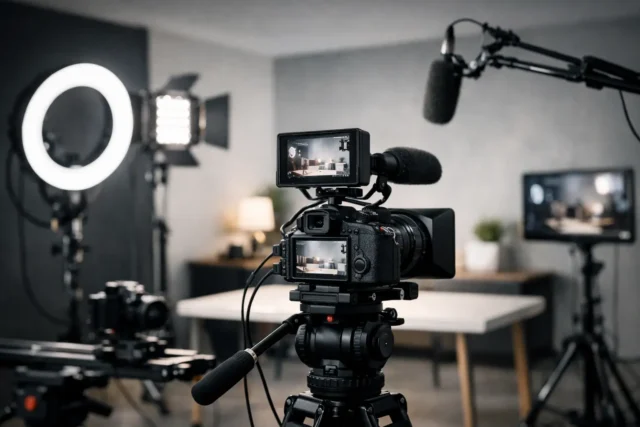
A shoot can lose half a day before the camera rolls. A cramped load-in, low ceiling, nowhere to place a key light, insufficient power or a studio that cannot be properly blacked out all create compromises that show up on screen. The best studio setup for videography is not defined by a stylish backdrop alone. It is a production environment that gives the crew control over light, sound, movement and timing.
For branded content, commercials, interviews, music videos and product films, the right studio should reduce technical friction rather than asking the production to work around it. That means looking beyond hourly hire rates and judging a space by what it allows your team to achieve within the booked time.
Start with the shoot, not the room
There is no single layout that suits every video production. A two-person interview needs a different environment from a vehicle shoot, a tabletop product film or a campaign with multiple constructed sets. The useful question is not simply, “How large is the studio?” It is, “Can this space support our camera positions, lighting plan, art direction and crew workflow at the same time?”
For a talking-head film, allow room behind the subject for separation lighting and enough depth to choose a flattering focal length without pushing the camera against a wall. If the frame includes a wide set, talent movement or several presenters, ceiling height and clear floor area become much more significant.
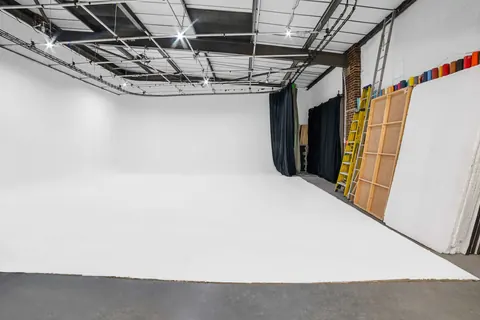
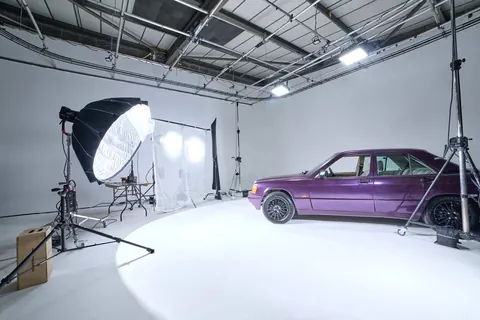
A studio with high ceilings gives the lighting team options. Fixtures can be positioned above the frame, softened from a greater distance and kept out of the eyeline. It also makes it easier to light green screen evenly or build larger practical sets without creating a boxy, low-budget look. Low ceilings are manageable for some work, but they quickly restrict a commercial crew using larger modifiers, boom arms or overhead rigging.
The best studio setup for videography needs light control
Lighting control is the difference between a flexible film stage and a daylight room that happens to have a camera in it. Natural light can be useful for a specific look, but it changes throughout the day and can slow continuity work when cloud cover shifts. For dependable commercial production, full blackout capability matters.
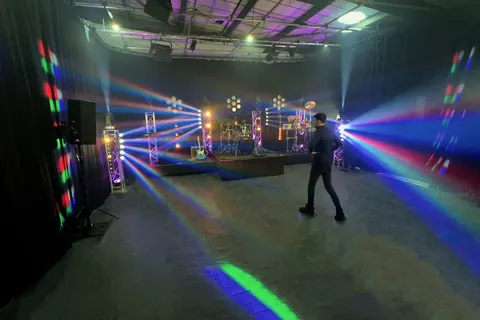
A blackout studio lets the crew create daytime, night-time, high-contrast and clean product looks on demand. It gives the director of photography a repeatable baseline, particularly where several scenes must match across a long shoot day. It is also essential for projection, LED work and virtual production, where unwanted spill can damage the image.
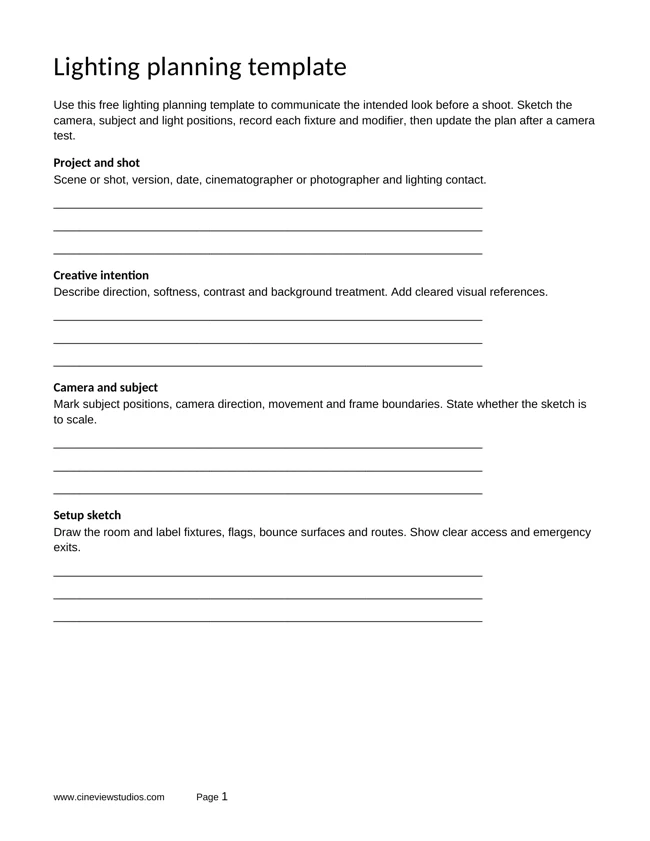
Look for a ceiling lighting grid or practical rigging provision rather than assuming stands will solve everything. A grid clears the floor, creates safer working routes and allows pre-rigged fixtures to remain in place between setups. The gain is not only visual. It can save meaningful time when a client is waiting while the crew repeatedly moves lights and stands around talent, props and camera tracks.
In-house lighting and grip equipment are equally valuable when the inventory is suitable for professional use. Hiring locally can reduce delivery costs and avoid the logistical risk of waiting for separate kit suppliers. Confirm what is included, what is chargeable and whether the available fixtures, stands, flags, frames and modifiers fit the lighting plan before call time.
Build access into the budget
Studios are often judged online by their finished images, but the production day begins at the shutter door. If cases, flats, furniture, product stock or a set build have to travel through narrow corridors, up stairs or through a busy shared reception, every department pays for it in labour and lost minutes.
Ground-floor drive-in access changes what is practical. It makes loading camera, lighting and art department equipment faster, supports large prop deliveries and gives vehicle-based productions a realistic option. For e-commerce teams filming regular product ranges, it also removes the repeated handling that can damage stock or exhaust a small crew.
Free on-site parking is not a cosmetic extra in London. It can protect a production budget from the accumulating cost of vans, crew vehicles and last-minute supplier collections. The same applies to a studio with sufficient holding space. Clients, talent, agency teams, make-up artists and production staff need somewhere to work without filling the shooting area or interrupting the setup.
When comparing spaces, ask how close a vehicle can get to the stage, whether loading is timed or shared, and whether there is enough room for cases to be stored safely off set. A cheap studio that adds two hours of difficult loading is rarely cheap in practice.
Choose backgrounds that support the brief
A versatile studio should offer more than one visual solution. An infinity cove is ideal when the brief calls for a clean, shadow-controlled sweep for products, fashion, presenters or vehicles. Its value is consistency: there are no corners to dress around, and the background can feel expansive when lit correctly.
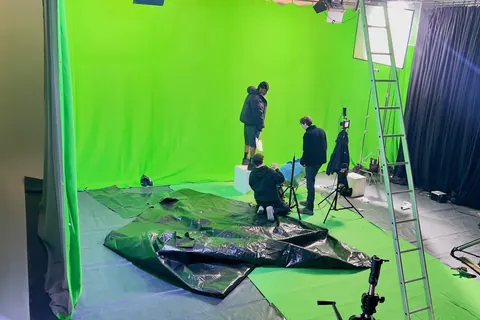
A green screen is useful where the final environment will be created in post-production, but it needs adequate clearance, controlled lighting and enough distance between subject and background to reduce spill. A studio can advertise green screen capability without being a strong green screen stage, so assess the practical dimensions and whether the space can be blacked out.
For campaigns that require a specific room, retail environment or editorial world, set-build suitability is often more useful than a pre-dressed interior. Check whether the floor can take construction, whether flats can be secured, what the ceiling rigging rules are and how long a build can remain in place. The ability to pre-light and pre-rig before the principal shoot can be the difference between a rushed day and a calm, properly controlled production.
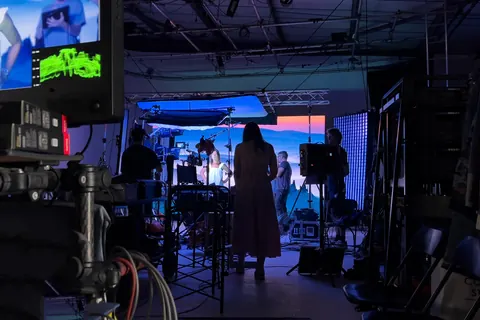
Virtual production adds another option, particularly for teams that need a controlled background without travel, weather risk or extensive location logistics. It is not automatically the right choice. It requires early planning around camera tracking, screen content, lighting and the intended final image. But in a studio designed to accommodate it, it can give agency and brand teams more creative routes within a predictable schedule.
Power, sound and practical comfort affect the final result
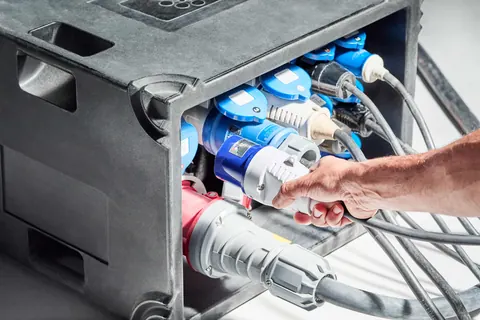
Video crews need reliable power distribution, not a tangle of extension leads across walkways. Ask about available supply, circuit capacity and the location of outlets. Higher-demand lighting packages, monitors, charging stations and catering all draw from the same building, so the production should know its limits in advance.
Sound is another area where expectations need to be realistic. Most large studios have some ambient noise, whether from roads, neighbouring units or building systems. For dialogue-led work, discuss the noise profile, air conditioning control and any restrictions on nearby activity. A production-ready space should help the team identify these issues before rather than after microphones are live.
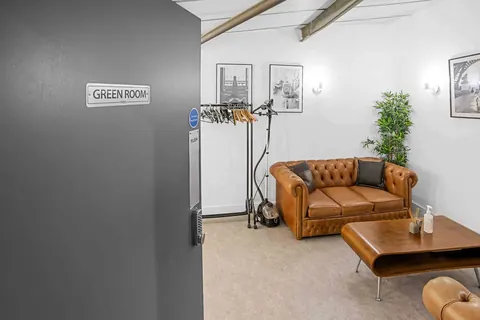
Comfort is operational, too. Clean client areas, green rooms, make-up stations, Wi-Fi, heating, toilets and a workable kitchen keep people on task during long days. They do not replace a sound stage or a lighting grid, but they prevent avoidable delays and give clients confidence in the process.
A practical studio booking checklist
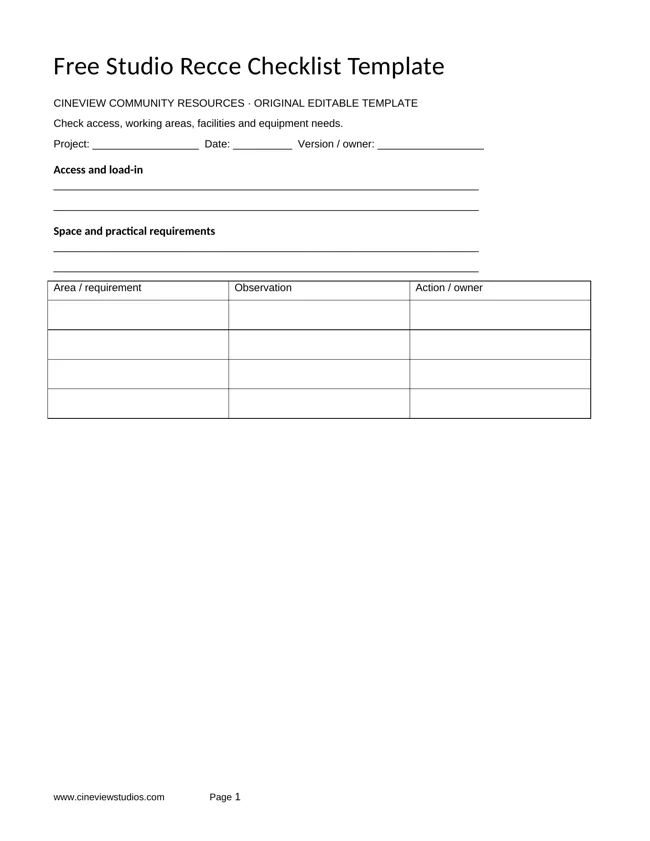
Before confirming a studio, make sure the production team can answer these questions:
- Is there enough clear floor space and ceiling height for the planned lensing, lighting and set footprint?
- Can the studio be fully blacked out, and does it have a lighting grid or approved rigging options?
- What lighting, grip, backgrounds and support equipment are available on site?
- How will vehicles, kit, props and set materials enter and leave the building?
- Is there adequate power, storage, crew space, parking and access for the full booked period?
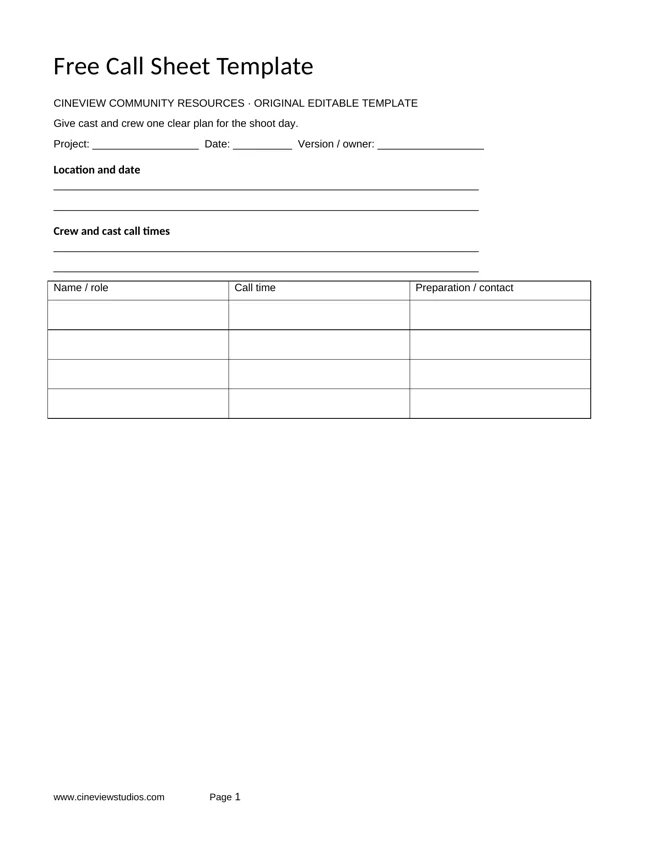
It is worth sharing a call sheet, lighting plan, reference frames and loading requirements with the studio team before booking. A capable operator can flag limitations early and suggest a more efficient setup. At Cineview Studios, the combination of high ceilings, drive-in ground-floor access, blackout control, in-house equipment and flexible production space is designed around those real-world requirements.
The strongest choice is the studio that lets your crew spend the day refining the image rather than solving the building. Give the production enough room, control and access at the outset, and the final film has a far better chance of looking like the treatment promised.