
Best Studio Options for Agencies in London
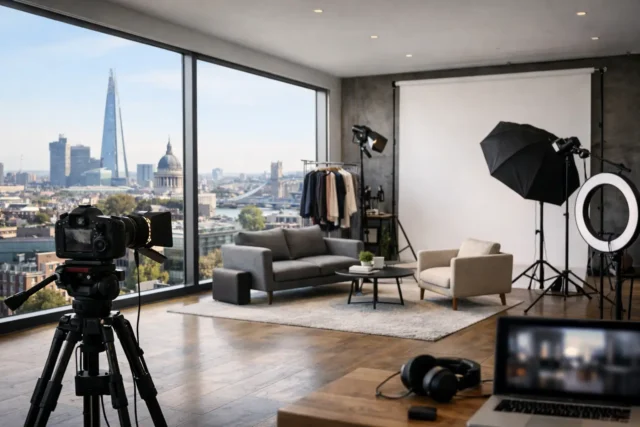
A shoot can lose half a day before the first frame is captured. A van cannot get close enough to unload, the cove is too small for the lens choice, hired lighting arrives late, or the client has nowhere practical to sit and review work. The best studio options for agencies are not simply the most photogenic spaces on a location list. They are facilities that protect the schedule, give the creative team room to work and keep production costs under control.
For agencies producing campaigns, social content, product launches and commercial films, the studio is part of the production plan. It needs to support the treatment rather than force compromises after the crew arrives.
What agencies should look for in a studio
A strong agency studio brief starts with the creative, but it should quickly move into practical requirements. How much floor space does the set, talent, camera movement and crew actually need? Can the art department build or dress within the hire period? Is there enough clearance to light from above rather than filling the floor with stands?
London studios are often marketed on style while omitting the details that affect a working set. Exposed brick and daylight may suit a small editorial shoot, but they can become limitations when a campaign needs controlled lighting, a large product set or several departments working at once. Agencies should prioritise usable volume, not just square footage. Ceiling height, grid access and clear shooting depth are usually more valuable than a decorative corner that photographs well online.
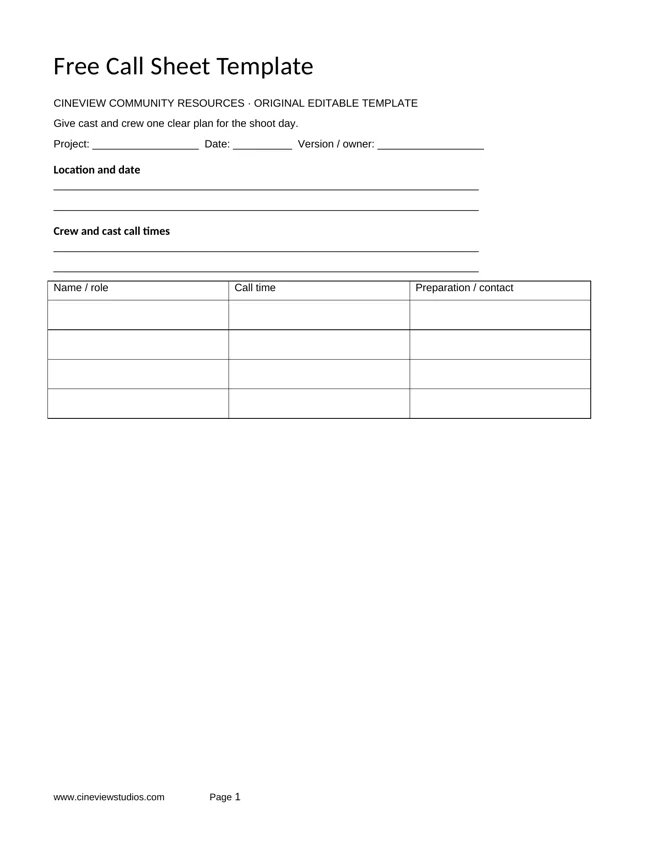
Access deserves the same scrutiny. Ground-floor loading with a wide shutter changes the pace of a production, particularly when bringing in furniture, flats, large props, motion-control equipment or a vehicle. Stairs, narrow corridors and timed loading bays add labour, risk and unnecessary pressure to a call sheet. Free on-site parking also matters more than it first appears. It keeps crew, suppliers and client arrivals close to the set instead of turning every delivery into a logistical exercise.
The best studio options for agencies by shoot type
There is no single right space for every brief. The best choice depends on how much control, scale and technical support the campaign requires.
Infinity cove studios for polished campaign imagery
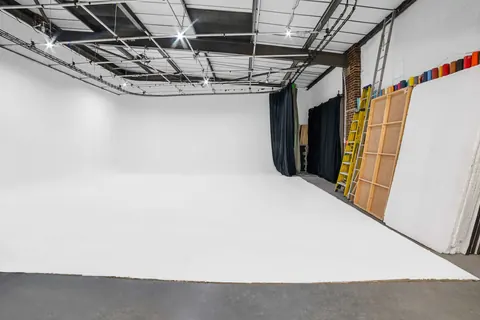
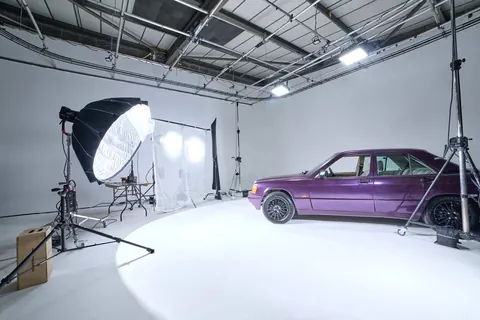
An infinity cove remains one of the most flexible options for agencies shooting fashion, beauty, automotive details, product launches and clean brand films. Its continuous curved background removes the hard horizon line, making it easier to create premium, uncluttered visuals in camera.
The key question is whether the cove is genuinely large enough for the job. A small cove can work well for packshots or individual talent, but may restrict wider focal lengths, full-length movement, multiple performers or a sizeable lighting setup. Check the dimensions, condition and paint policy before booking. If you need a particular colour, establish whether repainting is available and allow proper time for the surface to dry.
Blackout studios for complete lighting control
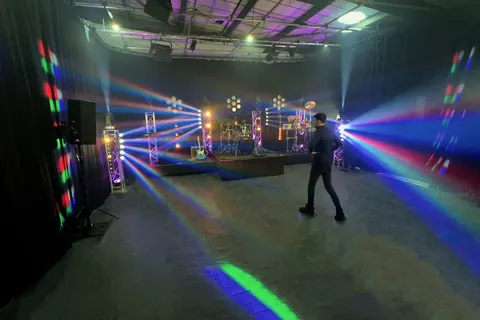
For commercials, beauty work, music videos and content that must match across multiple shoot days, blackout capability is often non-negotiable. Daylight studios can be attractive, but changing weather and sun position create inconsistency. Blackout lets the director of photography shape every source, maintain continuity and shoot to a schedule that is not dictated by the light outside.
Look beyond a claim of “blackout”. Ask whether windows are permanently covered, whether there is light spill around doors and whether the space can remain dark while crew access is managed. A proper blackout studio should support controlled lighting from the first setup to the final pickup.
Green screen and virtual production for adaptable worlds
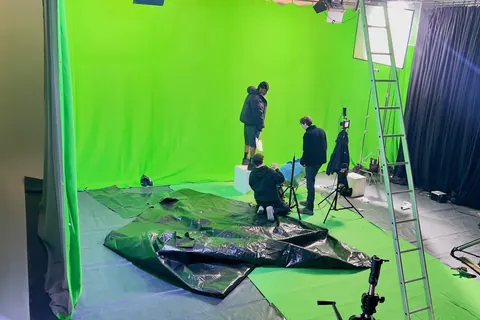
Green screen studio hire is a practical option when an agency needs to place talent or products into environments that would be expensive, inaccessible or impossible to build physically. It suits motion graphics-led work, corporate films, e-commerce video and campaign assets requiring multiple locations from one shoot day.
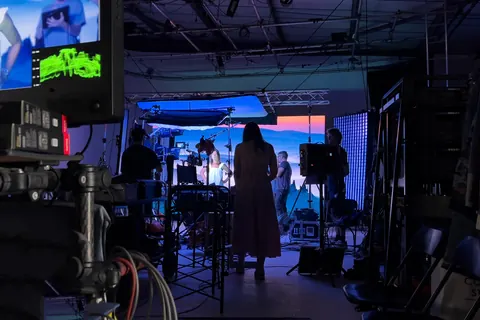
Virtual production can take this further by putting digital environments behind the subject during filming. This approach can reduce post-production compositing in the right circumstances, but it requires early collaboration between creative, production, camera and technical teams. It is not automatically cheaper. For a simple setup, green screen may be the more efficient route; for a scene where interactive light, reflections and real-time visual context matter, virtual production may justify the additional planning.
Set-build studios for campaigns that need ownership
A set build gives an agency far more control over brand world, colour, texture and camera angles than a pre-dressed location. It is particularly useful for TV commercials, retail campaigns, product storytelling and social-first content where a single build can generate a wide bank of assets.
The right studio needs enough floor area and height for walls, ceilings, rigging and camera movement. It also needs sensible access for timber, scenic materials and tools, plus a clear agreement on build, strike and waste removal. A space that permits set construction but has poor loading access can still make the art department’s job unnecessarily difficult.
Equipment and crew workflow are part of the hire
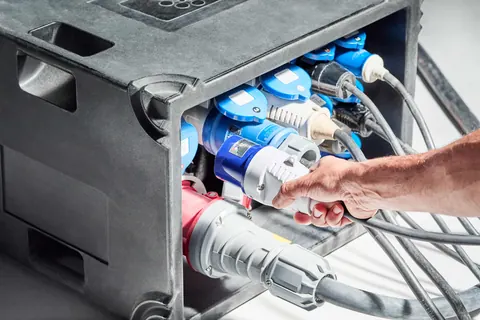
A seemingly low studio day rate can become expensive once lighting, grip, stands, flags, power distribution and basic production furniture are hired separately. Agencies should assess what is included, what is available in-house and whether the equipment is maintained to a professional standard.
An extensive lighting and grip inventory helps teams move quickly from treatment to technical plan. It also provides useful contingency when the creative changes on set, as it often does. The ability to add a larger modifier, another LED fixture or a different stand without waiting for an external supplier can save a setup and protect client-facing time.
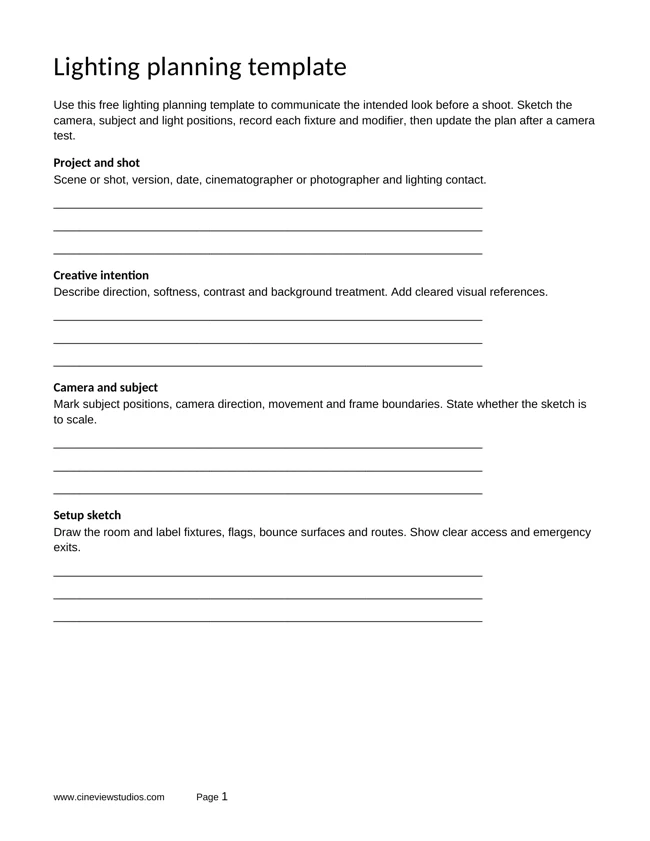
High ceilings with a lighting grid are another meaningful advantage. Pre-rigging lights above the shooting area keeps the floor cleaner, creates safer movement for talent and allows more freedom for wide shots. For agencies with an ambitious visual treatment, that space overhead is often what separates a workable setup from a compromised one.
Pre-lighting should be considered where the schedule is tight or the crew is shooting a high volume of assets. Completing the lighting setup before the main call can preserve the shoot day for camera, performance and client approvals. Twenty-four-hour access can also be valuable for overnight builds, early call times and strike periods that would otherwise eat into the booked production window.
Do not underestimate client comfort and decision-making
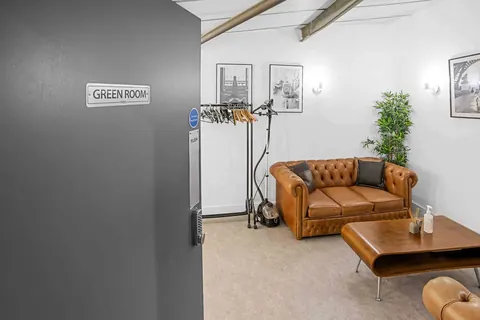
Agency shoots are working environments, but they are also approval environments. Account teams, brand managers and clients need to view the work without obstructing the crew. A practical studio provides enough room for a viewing area, production base and catering without forcing everyone onto the shooting floor.
This is not about luxury for its own sake. Comfortable, organised client facilities reduce interruptions and make decisions faster. If the team can monitor the image, discuss changes and return to set only when needed, the creative process stays focused.
How to compare studio costs properly
The cheapest advertised rate is rarely the cheapest production. Compare studios against the whole cost of getting the work made: parking, equipment, loading time, overtime, pre-light access, cleaning, repainting, staffing and the additional crew required to work around awkward constraints.
A central location may sound convenient, for example, but it can lose its appeal if suppliers face restricted vehicle access, crew must carry equipment up several flights, or parking is charged by the hour. Equally, a very large studio can be poor value for a straightforward tabletop shoot. Pay for the capabilities the brief genuinely needs, but do not underbook the space and hope the crew can make it work.
Cineview Studios is designed around this balance: a large-scale London production facility with drive-in access, high ceilings, a lighting grid, in-house kit, free parking and specialist spaces for cove, blackout, green screen and build-led work. The benefit is not simply having more features. It is being able to keep the production in one capable space instead of solving basic operational problems through extra hires and workarounds.
Ask these questions before confirming a studio
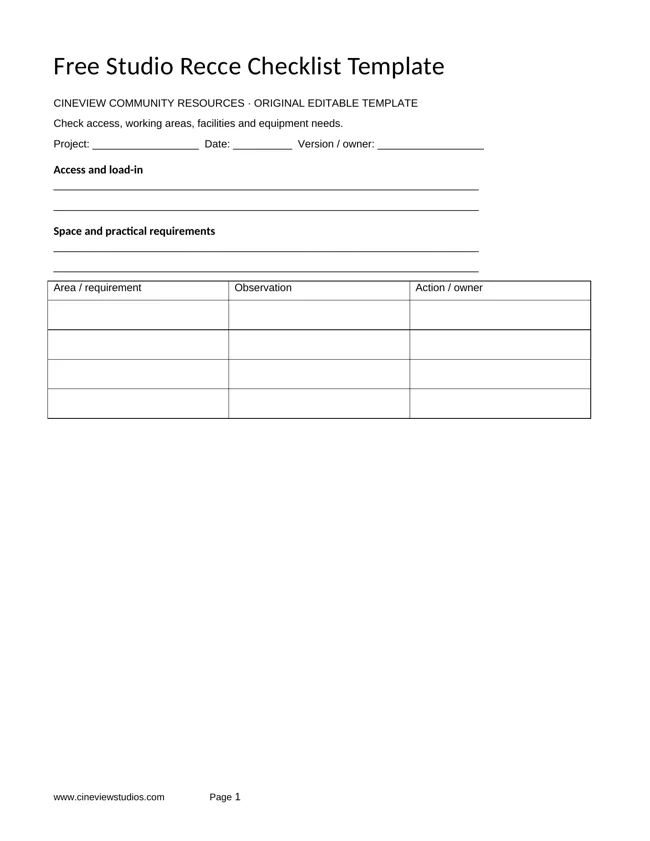
Before a purchase order is raised, production should confirm the dimensions of the shooting area and cove, ceiling height, loading route, parking arrangements, available power, blackout standard, equipment list and rules for painting or building. It is also worth checking whether the studio can support pre-rigging, overnight storage, late finishes and a client viewing area.
Requesting a recce is sensible for any shoot involving larger sets, vehicles, complex camera moves or several departments. The recce should include the producer, director of photography, gaffer and art department where possible. Ten minutes spent checking a shutter width, rigging point or turning circle can prevent a costly surprise on the day.
A studio should make an agency’s creative look more achievable, not more complicated. Choose the space that gives your crew room to light, build, load and adapt, then use the saved time where it counts: getting the stronger shot while the client is still on set.