Choosing a Photo Studio With Lighting Equipment
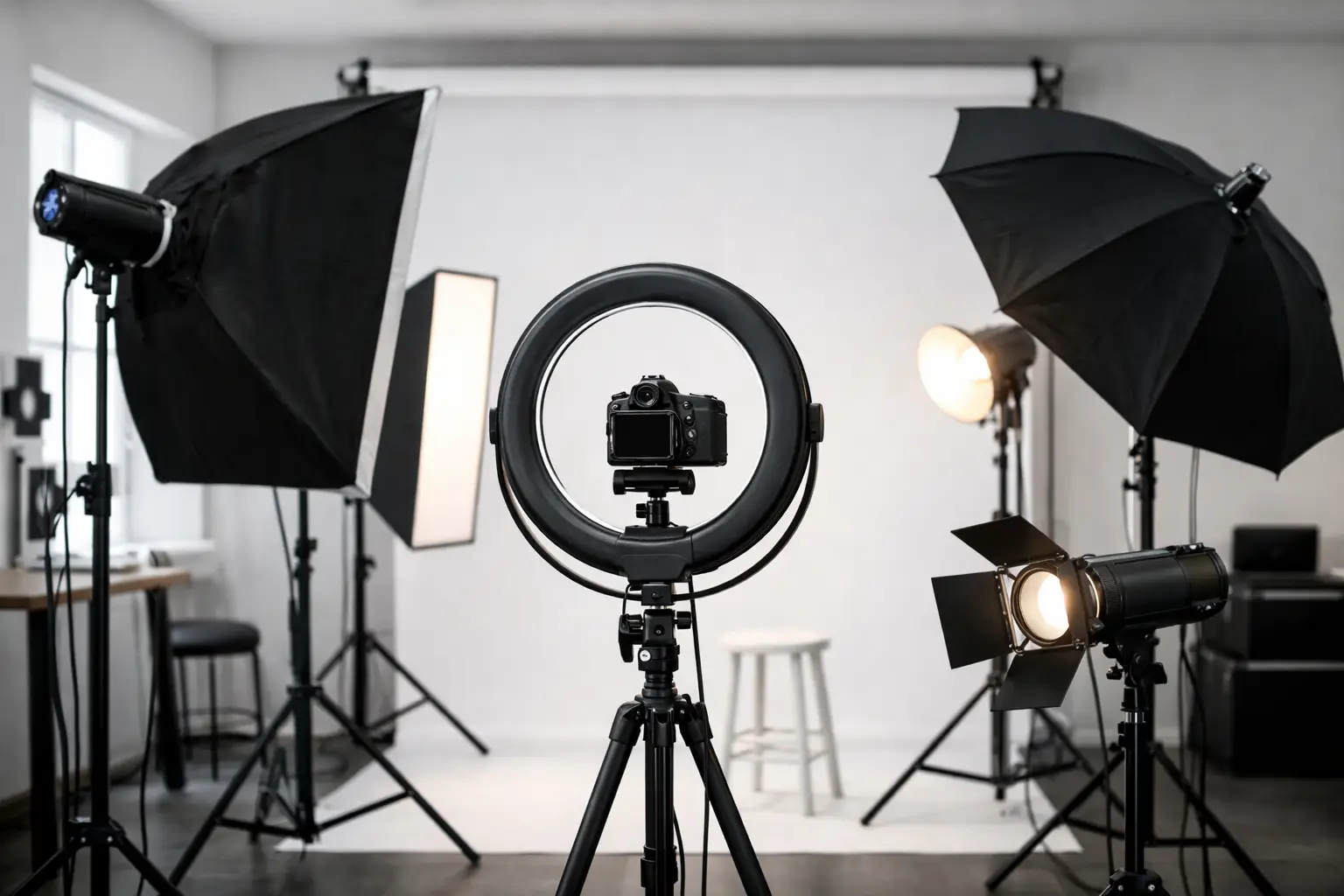
A shoot can go off track long before the first frame is captured. The usual problems are rarely creative. It is the late van unload, the lack of rigging options, the awkward power run, or the discovery that the so-called kit list does not match what is actually on site. If you are booking a photo studio with lighting equipment, the real question is not whether lights are included. It is whether the space, kit and support are set up to help a production move properly.
For photographers, agencies, brand teams and production crews, that distinction matters. Plenty of studios advertise lighting, but the value is in how usable that equipment is within the wider environment. A good studio reduces friction. A well-equipped one saves time, protects budget and gives the crew more control over the final result.
What a photo studio with lighting equipment should actually offer
The phrase sounds straightforward, but not all studio hire is equal. In some spaces, lighting equipment means a very basic set of heads and stands, with little thought given to modifiers, grip, rigging or power distribution. In others, the studio has been built around professional lighting workflows, which is a very different proposition.
That difference shows up quickly on set. If you are shooting fashion, e-commerce, product, portraiture or branded content, you need more than a few fixtures in a cupboard. You need a studio that can support different lighting setups without wasting the morning on workarounds. That means practical access to equipment, enough room to shape light properly, and a layout that does not force compromises in camera position or subject placement.
A proper production-ready studio usually starts with the fundamentals. Ceiling height matters because it affects everything from overhead modifiers to backlight separation. A lighting grid matters because it allows cleaner rigging, safer setups and faster changes. Floor space matters because crews, clients, styling rails, tether stations and set elements all take up room. If any one of those is missing, even a strong equipment list becomes less useful.
Space and lighting need to work together
A photo studio with lighting equipment only performs as well as the room allows. This is where many London studios fall short. They may look fine in stills, but once a full team arrives, the limitations are obvious. Low ceilings flatten your options. Tight corners restrict lens choice. Poor access slows load-in and load-out. Suddenly the hire rate is not the problem – the inefficiency is.
Lighting is never just about the fixture. It is about placement, spread, fall-off and control. To use lighting well, the crew needs distance from the background, room to flag spill, and enough height to create shape without fighting the room. Even simple two-light portrait setups benefit from space. Larger commercial shoots need far more.
This matters even more when the brief evolves during the day. A client may ask for stills and motion. The creative team may want a cleaner high-key setup in the morning and a moodier directional look by the afternoon. In a cramped studio, that becomes a reset-heavy, time-draining process. In a properly designed space, those changes are manageable because the studio supports them.
Why the grid and rigging setup matter
One of the most useful features in any studio is a lighting grid. It gives crews flexibility without turning the floor into a forest of stands. That is not just tidier. It is safer, faster and more efficient, particularly when talent, clients and multiple departments are moving through the space.
For overhead soft sources, top light, suspended practicals or more advanced shaping, a grid is the difference between making the setup work and compromising it. If the studio also supports pre-rigging or pre-lighting, that is another gain. Crews can come in ready to shoot rather than burning billable hours building from scratch.
Equipment lists are only useful if they suit the brief
Not every production needs the same package. A beauty shoot, an automotive still, a talking-head commercial and a product campaign all demand different lighting approaches. That is why the headline claim of lighting equipment included is not enough on its own.
You need to know whether the available kit matches the kind of work you do. Are there hard and soft options? Are there modifiers that let you move from broad, flattering light to tighter directional control? Is there grip equipment to support flags, diffusion and negative fill? Are there enough stands and support options to build without borrowing from three different departments?
The right studio will not force you into a one-size-fits-all setup. It should give you a baseline package that covers common professional needs and then enough flexibility to scale if the brief is more demanding. That is especially useful for agencies and brand teams trying to keep a close grip on production cost. If more of the core kit is already in house, fewer items need to be sourced externally, delivered, checked and returned.
The cost trade-off is not always where you think
Studios with in-house equipment can look more expensive at first glance, but the day rate is only one part of the maths. If a cheaper studio requires extra lighting hire, additional crew time, awkward delivery schedules or longer setup windows, the saving disappears quickly.
There is also the cost of compromise. A studio with limited equipment may still be workable, but if the final images are weaker, the production slower, or the shoot more stressful than it needed to be, that affects the wider project. For commercial clients, the efficient option is often the better value option.
Access, parking and power are part of the lighting conversation
Studios are often judged on visuals first and logistics second, but experienced crews know those priorities should be reversed. A photo studio with lighting equipment is only genuinely useful if the team can get in, set up and work without unnecessary delays.
Ground-floor access, shutter loading and free parking make a significant difference, especially for larger productions. The same goes for 24/7 opening where overnight prep, early call times or extended wrap are part of the plan. These are not nice extras. They shape how realistic the production schedule is.
Power matters too. Lighting setups for commercial work can become demanding quite quickly, particularly when stills and video are happening in parallel. Reliable power distribution and a studio layout that supports clean cable management are basic requirements, not premium add-ons. If power is limited or badly positioned, the whole shoot slows down.
One studio, multiple production uses
The strongest studio spaces are not locked into one type of work. They can support clean e-commerce capture one day, a branded content campaign the next, and a more technical motion setup after that. That flexibility matters for clients who need one location that can stretch across different formats.
A large-scale studio with proper lighting support becomes more useful when it also offers specialist features such as blackout capability, an infinity cove, green screen, drive-in access or room for set builds. Those features do not only serve film crews. They also help photographers who need cleaner backgrounds, better light control or more ambitious production design.
For many teams, the appeal is straightforward. Instead of hiring one space for stills, another for motion and another for larger builds, they can work in a single environment that covers the whole production brief. That cuts down on moving parts and keeps the day under tighter control.
How to judge whether a studio is right for your shoot
The best test is to think beyond the brochure. Ask how the day will actually run. Where will the crew unload? How quickly can lighting be rigged? Is there enough space for clients, styling and video village without crowding the set? Can the studio support last-minute changes without derailing the schedule?
It also helps to be honest about the complexity of the production. If you are shooting a simple headshot session, you may not need every technical feature available. But if the brief involves multiple setups, larger teams, motion capture, product ranges, talent changes or client attendance, the studio’s operational strengths become far more important.
This is where an experienced facility stands apart from a room with a few lights in it. A serious production space is designed around workflow, not just appearance. Cineview Studios is built with exactly that in mind, giving crews the scale, access and in-house support that many London spaces promise but do not consistently deliver.
The right studio should make the production feel easier the moment you arrive. When the space is generous, the kit is usable and the logistics are properly thought through, the crew can focus on making stronger work rather than solving avoidable problems. That is usually the difference between a studio that simply contains equipment and one that genuinely supports the shoot.