
Green Screen Studio London: What Actually Matters
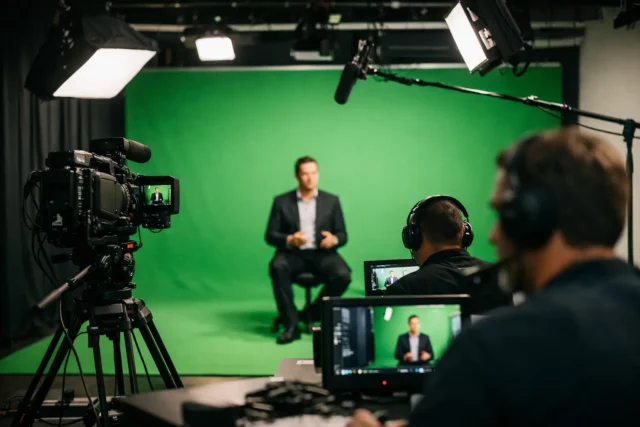
If you are booking a green screen studio London productions can genuinely depend on, the spec sheet only tells part of the story. The real difference shows up on shoot day – when the crew is waiting, the lighting needs to go up quickly, client changes start coming in, and a space that looked fine online suddenly feels too tight, too awkward or too under-equipped for the job.
That is why choosing a green screen stage should be treated as a production decision, not a room hire decision. For branded content, music videos, interviews, product campaigns, VFX plates and commercial work, the quality of the studio directly affects time, finish and cost. A cheaper studio that slows down the day is rarely cheaper by wrap.
What a green screen studio London shoot really needs
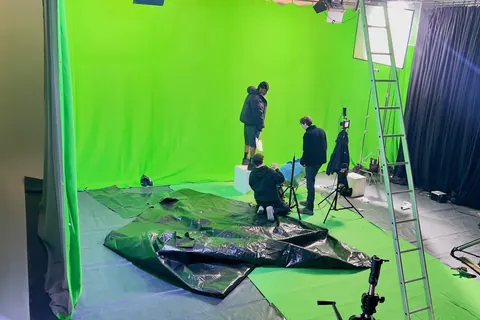
A usable green screen is not just about having a painted wall or cyc. It needs even lighting, enough distance between subject and background, proper ceiling height, and the ability to control spill. If the space is cramped, talent ends up too close to the screen, green contamination hits skin tones and wardrobe, and post-production becomes harder than it should be.
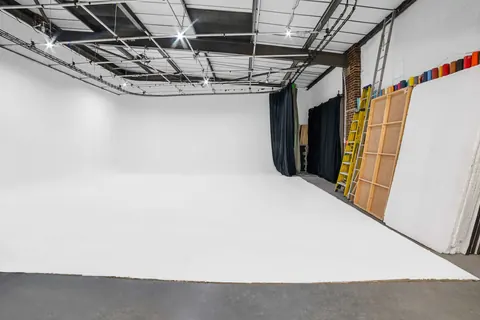
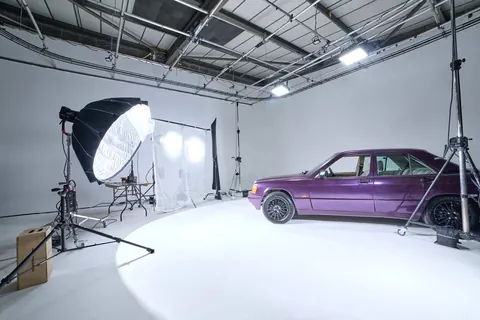
Ceiling height matters more than many teams expect. With low ceilings, you run out of options fast. It becomes harder to rig top light evenly across the screen, harder to shape talent separately, and harder to keep stands and fixtures out of shot on wider setups. A proper lighting grid changes the workflow because it clears the floor and gives the gaffer more control from the start.
Access matters as well. If your green screen day includes larger props, set pieces, product pallets or heavy kit, poor loading turns a simple prep into a drawn-out first hour. Ground-floor access and shutter entry are not luxury extras. They are practical advantages that reduce lift bottlenecks, protect call times and make the whole job easier to manage.
Why many London studios fall short
The London market is full of spaces that are technically available for hire but not designed for efficient production. Some are converted units with limited rigging options. Some have enough floor area on paper but feel compromised once camera, lighting, monitors, playback and clients are in the room. Others price themselves like premium facilities without offering the access, support or equipment that working crews actually need.
That gap between marketing and operational reality is where budgets get squeezed. You may save a little on the booking fee, then lose it again through extra crew hours, external equipment hire, awkward load-ins or slower turnaround on set. For agencies and production teams juggling multiple moving parts, those inefficiencies are where the real cost sits.
A strong green screen studio should reduce friction. It should help a team move faster, light better and adapt without having to rebuild the day around the room.
How to assess a green screen studio in London properly
Start with dimensions, but do not stop there. A stage can be large enough for your framing and still be wrong for your shoot if the usable space is restricted by low rigging, poor access or no room for separation. Ask how much distance you can get between subject and screen. Ask whether the ceiling and grid support even screen lighting and a clean subject setup at the same time.
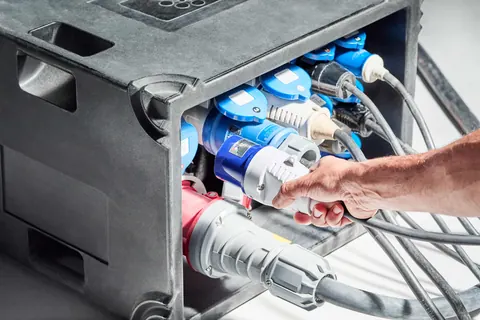
Then look at the broader workflow. Is there enough power where you need it? Can the crew pre-light or pre-rig? Is there drive-in or straightforward load access? Is parking available, or will vans spend the day circling while the clock runs? These points sound basic, but they directly affect schedule control.
Equipment provision is another major factor. In-house lighting and grip can make a meaningful difference to budget and prep time, especially for leaner productions or agency teams trying to avoid multiple suppliers. It also reduces risk, because a studio that understands production will usually maintain a package that fits the space and the type of work being shot there.
Support should be judged in the same practical way. A good studio team does not just hand over keys. They help make the day workable. That might mean assisting with pre-rigging, advising on load-in, flagging limitations before the booking, or making sure the stage is genuinely ready when the crew arrives.
The trade-offs depend on the production
Not every green screen booking needs the same setup. A single-camera interview with a small crew can work in a more compact environment if acoustic control, lighting and separation are handled properly. A car shoot, a fashion campaign with movement, or a commercial with multiple set elements needs something very different.
If you are shooting talent full length, wider movement and cleaner floor transitions become more important. If you are capturing products, you may care more about controlled reflections, table setups and precise lighting than overall stage depth. If the job includes motion control, large fixtures or set build elements, then clear floor space, ceiling height and access stop being nice-to-haves and become non-negotiable.
That is why the best booking decisions come from matching the space to the production rather than shopping on day rate alone. The right studio should fit the brief without forcing technical compromises that create work later.
What separates a production-ready green screen stage
A production-ready green screen studio London crews return to usually has the same core strengths. It gives you enough room to separate background and subject properly. It has proper blackout capability so ambient spill is not fighting the lighting plan. It offers a grid or rigging solution that keeps the floor cleaner and the setup more flexible. It has reliable access for crew, clients and kit. And it supports long days without the usual London headaches around parking, timing and movement.
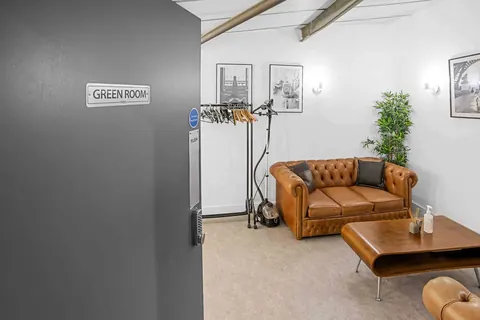
That is also where a purpose-built facility outperforms a general hire space. When a studio is designed around commercial shooting rather than adapted into it, the whole day runs better. Lighting positions make sense. Load-in is faster. Working areas feel usable. Clients have somewhere to sit without standing in the middle of the set. The room behaves like part of the production rather than an obstacle to it.
For teams balancing quality and cost, that is the smarter equation. Paying for functionality is different from paying premium rates for a postcode.
Green screen studio London bookings and budget control
Budget control is rarely about choosing the lowest headline price. It is about removing hidden costs. If a studio comes with useful in-house kit, accessible loading, free parking and enough infrastructure to avoid extra labour, the total shoot cost becomes easier to manage.
This is especially relevant for branded content, e-commerce campaigns and agency work where margins can be tight and turnaround expectations are high. A well-equipped stage allows crews to stay lean without looking underpowered. It also gives producers more confidence when timelines shift, because the studio can usually absorb changes without everything slowing to a crawl.
There is a similar advantage for smaller brands and independent creators stepping up to a more professional setup. The right studio gives them production value without pushing them into the inflated pricing that often comes with central London spaces. That balance of affordability and capability is where a lot of the best decisions are made.
A facility such as Cineview Studios makes sense in that context because it focuses on practical production benefits rather than cosmetic claims. High ceilings, a lighting grid, shutter access, free parking, 24/7 availability and in-house equipment are not marketing flourishes. They are the details that make a green screen day more efficient from first load-in to final wrap.
What to ask before you book
Before confirming any green screen stage, ask a few direct questions. How evenly can the screen be lit in the available setup? How much separation can you achieve for your intended framing? What is included on site, and what needs to be brought in? How straightforward is the load-in for your specific kit and props? Can the studio support pre-lighting or prep access if the schedule needs it?
You should also ask about the less glamorous details. Is the studio genuinely available for the hours you need, including early starts or overruns? Is there space for clients and crew to work comfortably? Are there any sound issues, access restrictions or turnaround constraints between bookings? A professional studio will answer clearly because these are standard production questions, not special requests.
The right answer is not always the biggest stage or the highest rate. It is the one that fits the brief, protects the schedule and gives post-production the cleanest possible starting point.
When you are comparing a green screen studio in London, think beyond the wall colour and the hire fee. Think about how the day will actually run, how quickly the crew can work, and how much avoidable friction the space removes. That is usually where the best value sits – and where stronger work gets made.