How to Choose the Right Photo Studio Near Me
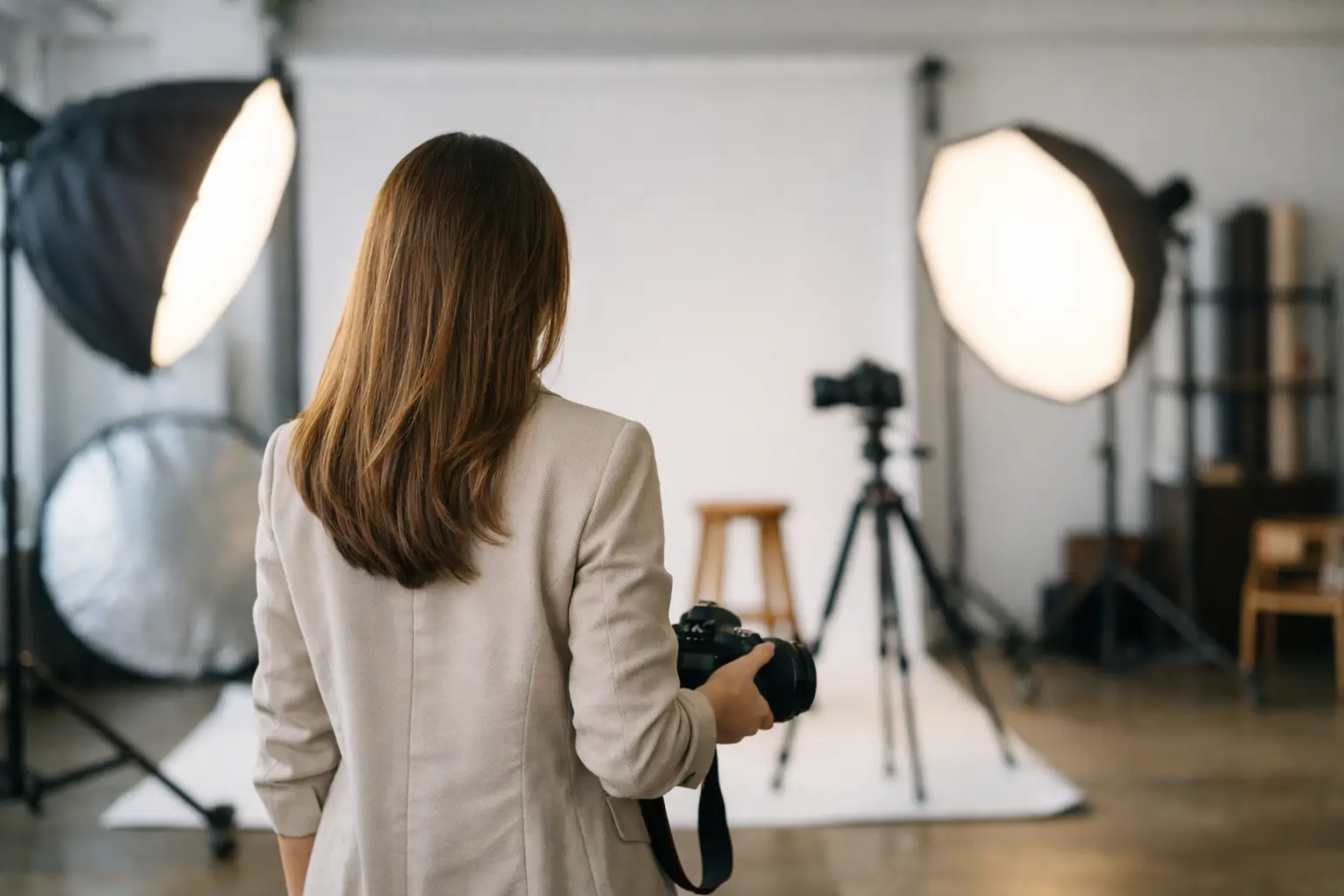
Typing photo studio near me into a search bar usually happens under pressure. A client has signed off the brief, the crew is pencilled in, talent is being confirmed, and now the real question lands – will the studio make the shoot easier, or create problems you end up paying for all day?
That is the gap many listings fail to address. A studio can look fine in photos and still be wrong for the production. If you are shooting e-commerce, branded content, portraits, product campaigns or motion work, the right space is not just about square footage. It is about how efficiently your team can load in, rig, shoot, reset and get out without losing time or creative control.
What a photo studio near me should actually offer
The first filter is not postcode. It is functionality. A nearby studio is useful only if it supports the practical demands of your shoot. London crews know this well. A cheap day rate loses its appeal quickly if access is awkward, parking is limited, power is insufficient, or your team spends half the call time working around the space rather than using it.
Start with the basics. Ceiling height matters more than many first-time hirers expect, particularly if you are shaping light properly, working with larger modifiers or building out set pieces. A lighting grid is another major advantage because it gives your crew more flexibility and speeds up rigging. Ground-floor access changes the day entirely when you are moving cases, props, rails, flats or heavier kit.
Then look at the setup around the set. If the studio has free parking, a shutter entrance and enough room for vehicles to unload without drama, your call sheet becomes far more realistic. If it offers 24/7 access, you have more breathing room for early starts, late wraps and overnight builds. Those are not luxury extras. They affect budget, scheduling and whether the production runs smoothly.
Space is not just size
A common mistake when choosing a studio is focusing only on dimensions. A large room sounds good, but usable space is what counts. You need enough clearance to position camera, lighting, crew and clients without everyone standing on top of one another. If you are shooting both stills and motion, that matters even more.
Studios built for production tend to outperform general creative spaces because the layout has been considered properly. That includes sight lines, rigging positions, blackout control, power distribution and whether the room can support multiple lighting approaches without compromise. An infinity cove, for example, can save hours in post and gives you cleaner options for product, fashion and commercial work. A blackout studio gives you consistency when daylight would otherwise fight your lighting plan.
This is where comparison becomes useful. Some London spaces are sold on aesthetics rather than output. They look presentable for a small social shoot, but they are restrictive for anything with a crew, client attendance or proper equipment package. If your production brief has any complexity at all, the studio should behave like a working facility, not a styled room.
Equipment and support can save a shoot
When people search for a photo studio near me, they often focus on hire cost and forget the value of what is already on site. That can be a costly oversight.
In-house lighting and grip equipment can reduce transport requirements, simplify prep and protect you if the brief changes mid-shoot. If the studio can also support pre-lighting or pre-rigging, your team arrives with momentum rather than starting from zero. For agencies and production companies, that means a more controlled day. For smaller brands and independent creators, it can be the difference between achieving a professional result and cutting corners by mid-afternoon.
Support matters too. A studio team that understands production will spot issues before they become delays. They will know why access times matter, why turnaround between setups needs planning, and why technical readiness is part of the service, not an afterthought. That kind of support is especially useful if you are balancing clients on set while trying to keep the creative moving.
Access, parking and load-in are commercial issues
There is a tendency to treat logistics as secondary. On a real shoot, they are not. Poor access adds cost. It slows the crew, increases fatigue and shortens the useful part of the day.
If you are hiring a studio in or around London, ask direct questions. Is there ground-floor access? Can larger items come in without lifts or tight corridors? Is there parking on site? Can vehicles load close to the entrance? If you are working with set walls, plinths, props, product stock or heavier lighting packages, these details stop being admin and start becoming central to the shoot plan.
Drive-in access is a strong advantage for larger productions and automotive work, but even on smaller jobs, easy load-in changes the pace of the day. It means fewer delays at the start, less stress on wrap and more confidence when the brief expands. That matters if your client decides to add video, wider compositions or alternate set dressing once the team is already on site.
Matching the studio to the type of shoot
Not every production needs the same environment, so the best studio depends on what you are making. E-commerce teams often need a reliable, repeatable setup with room to move quickly through products and looks. Brand campaigns may need a cleaner architectural base, more client-friendly working areas and enough flexibility for multiple lighting styles. Film and video crews usually need stronger blackout control, rigging options and space for sound-conscious working.
If green screen is part of the brief, make sure the facility is designed for it rather than improvised. If you are building sets, check whether the studio is genuinely suitable for scenic work. If you are planning virtual production or mixed-format content, ask whether the space can support it properly, not just in theory.
This is why a studio with broader production capability often offers better value than a cheaper one with narrow use. You may not need every feature on every booking, but having them available protects the job if the brief changes. In practice, it often does.
Price matters, but value matters more
Budget is always part of the decision. The issue is knowing what you are actually buying.
A lower headline rate can conceal added costs in equipment hire, overtime, parking, additional crew handling and lost efficiency. On the other side, a well-equipped studio may appear more premium at first glance while working out better commercially once you factor in what is included and how much easier the day becomes.
That is especially true in London, where inflated pricing does not always translate into production quality. Some spaces charge heavily for location and style while offering little that helps the actual shoot. A smarter choice is a studio that gives you professional infrastructure, practical flexibility and enough built-in support to keep the production moving.
For many teams, affordability is not about finding the cheapest room. It is about avoiding false economy. A studio that helps you stay on schedule, reduce external hire and minimise complications is usually the better commercial decision.
Questions worth asking before you book
Before confirming any studio, ask how the space handles your actual workflow. Can you pre-rig? Is there enough power for the planned setup? What is included in the base hire? How late can the team work? Is the studio suitable for both stills and motion if the brief shifts? Will clients be comfortable on site for a full day?
You should also ask for recent examples of the types of production hosted there. Not to admire the images, but to assess whether the space has been used in ways similar to your job. A studio that regularly supports commercial photography, branded content, music videos and product shoots will usually understand the pace and pressure better than a venue that hires itself out more casually.
For teams looking at options in London, Cineview Studios is the kind of facility worth measuring others against because the offer is built around production reality – scale, access, technical readiness and value, rather than decorative appeal.
The best local studio is the one that removes friction
The strongest result from a photo studio search is not simply finding somewhere nearby. It is finding a space that lets the crew work properly, keeps the client confident and gives the production room to succeed.
When a studio gets the fundamentals right – access, height, equipment, flexibility, parking, support and sensible pricing – everything downstream improves. The day feels calmer. The team moves faster. The output looks more expensive than the budget suggests.
That is the standard worth looking for. Not just a studio you can get to easily, but one that earns its place on the call sheet the moment the shutters go up.