Why Hire a Photo Studio for Your Shoot?
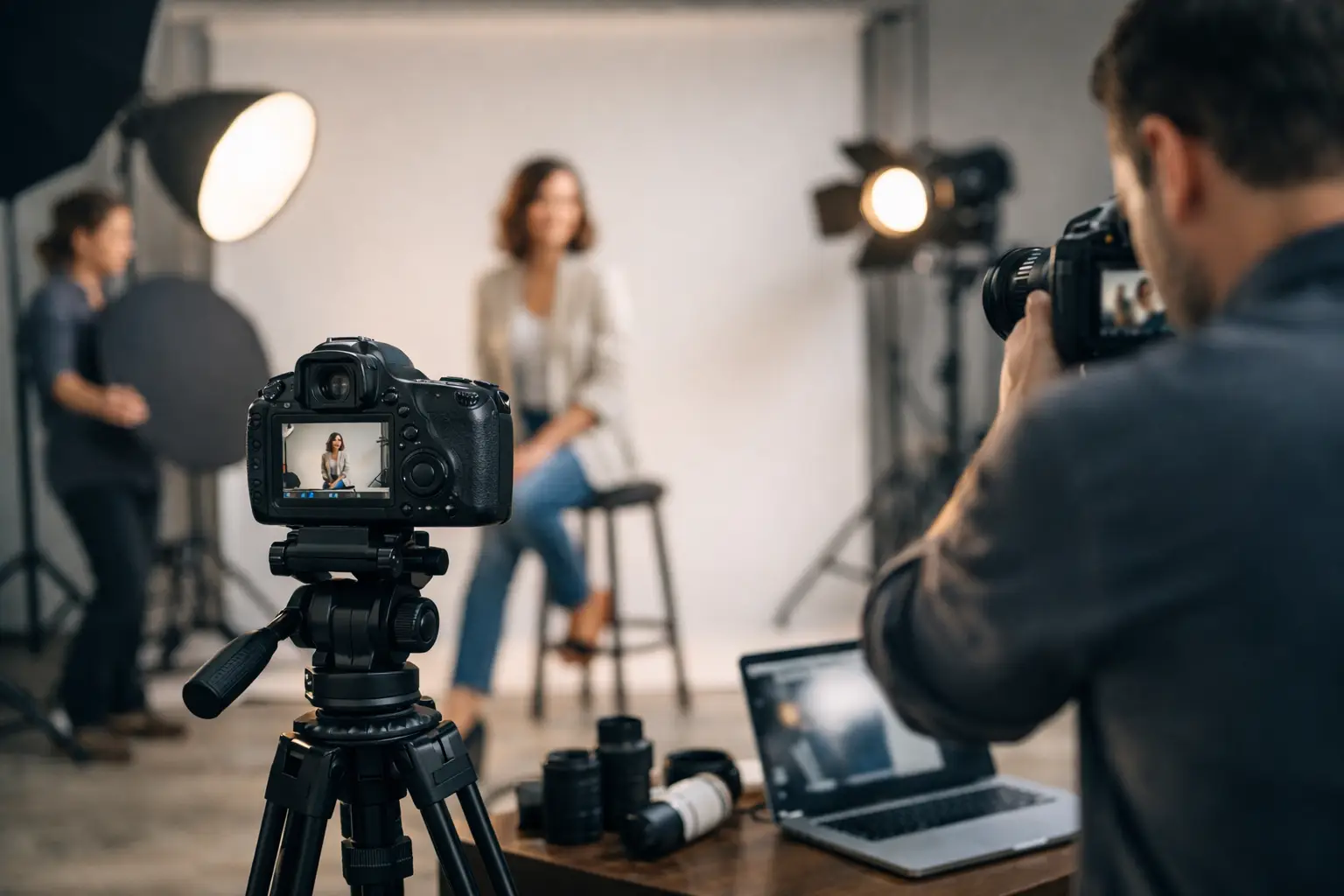
A campaign day can unravel faster than most schedules admit. Natural light shifts, locations get noisy, access becomes a battle, and suddenly the team is spending more time solving problems than making work. That is usually the real answer to the question why hire a photo studio – not because it sounds more professional, but because it gives you control where location shooting often introduces friction.
For photographers, filmmakers, agencies and brand teams, studio hire is less about prestige and more about production efficiency. When the space is built properly, it removes the common delays that eat into budgets and compromise output. You get a controlled environment, predictable conditions and a setup that supports the brief rather than fighting it.
Why hire a photo studio instead of shooting on location?
Location work has its place. If the concept needs a lived-in interior, a street backdrop or a specific architectural setting, there is no substitute. But many productions end up on location by habit rather than by logic.
A studio gives you consistency. Light can be shaped instead of chased. Sound is easier to manage. Set changes happen without public interruption. Clients can review work in a calmer setting, and crews can operate without negotiating stairs, parking restrictions or narrow loading access. That matters whether you are shooting a fashion editorial, a product range, branded content or a full commercial production.
There is also a cost argument that gets overlooked. Location shoots often appear cheaper at first glance, then pick up hidden expenses through overtime, travel delays, weather contingency, hired-in power, access management and lost efficiency. A well-equipped studio can reduce those variables in one move.
The commercial case for studio hire
When budgets are under pressure, every hour on set needs to count. A proper photo studio helps because it concentrates production into a single, workable environment.
The first advantage is time. If your lighting grid is already in place, if the space is large enough to move properly, and if equipment is available in-house, the crew spends less time building basic functionality from scratch. Pre-lighting and pre-rigging become realistic options rather than luxuries. That can make the difference between squeezing through a shot list and actually having room for creative improvement.
The second advantage is quality control. Product photography, e-commerce shoots, portrait sessions, motion content and campaign stills all benefit from repeatable conditions. If you need consistency across multiple SKUs, talent setups or content formats, a studio is the safest route. You can recreate looks, maintain exposure and keep colour more stable across a full day or multi-day booking.
The third advantage is client confidence. Commercial shoots often involve several decision-makers. A studio environment tends to support that better than an improvised location because there is space for review, discussion and reset without disrupting the crew.
What you actually get when you hire the right studio
Not all studio spaces solve the same problems. Some are little more than empty white rooms with a day rate attached. If you are asking why hire a photo studio, the better question is what kind of studio makes the hire worthwhile.
Ceiling height is one of the first things that affects your day. It changes how you rig, how you light and how ambitious you can be with sets or camera movement. A lighting grid matters for the same reason. It speeds up rigging, keeps the floor cleaner and gives crews more flexibility.
Access is another major factor. Ground-floor loading, shutter entry and drive-in capability are not niche features. They are practical advantages that reduce setup time and physical strain, especially for larger productions, heavy props or set build work. In London, where many spaces still make crews wrestle kit through awkward corridors or freight lifts, proper access is a serious operational benefit.
Then there is flexibility within the space itself. An infinity cove, blackout capability, green screen and set-build suitability all expand what a single booking can achieve. If your production includes stills and motion, multiple looks or virtual production elements, that flexibility becomes commercially valuable very quickly.
Space affects workflow more than people think
A cramped studio changes the quality of a shoot. It limits lens choice, restricts lighting positions and creates friction between departments. Hair and make-up need room. Styling needs room. Video village needs room. Clients need somewhere to stand that is not directly in the crew’s way.
When the studio footprint is right, the whole production settles into a better rhythm. Departments can work in parallel instead of taking turns. Shot transitions become faster. Talent is more comfortable. That does not just improve morale – it improves output.
This is especially true for agencies and production companies balancing stills and motion on the same day. If you are trying to capture campaign assets across formats, you need a space that can absorb those demands without slowing every changeover.
Equipment and support can change the value of the hire
A cheap studio day stops being cheap when you have to source half the build separately. Lighting, grip, stands, modifiers, power distribution and rigging support all affect the real cost of production.
Studios with extensive in-house equipment can simplify planning and reduce transport needs. That is helpful for smaller teams, but it also benefits established crews who would rather not duplicate logistics unnecessarily. If core kit is on site and maintained properly, there is less to coordinate and less to go wrong.
Support matters too. Some teams need a straightforward blank canvas. Others need a studio partner that understands pre-rigging, technical requirements and the pace of commercial work. There is a difference between hiring a room and hiring a production-ready environment.
For that reason, first-time hirers should not assume all studios are equally useful. The day rate only tells part of the story. Ask what is included, how access works, what the turnaround support looks like and whether the studio can handle the scale of your brief.
When studio hire makes less sense
There are cases where a studio is not the right call. If your concept depends on a very specific real-world setting, forcing it into a studio may dilute the creative. Smaller editorial shoots with minimal kit and a location-led mood can work perfectly well outside a studio, particularly if the team is lean and the schedule is flexible.
There is also a point where over-specifying the space adds cost without adding value. If you only need a simple tabletop setup for a short product session, a large-format facility may be more than the brief requires. The right answer depends on output, crew size, technical needs and how much risk the schedule can absorb.
That said, many productions underestimate their own logistical complexity until the shoot starts. If there are clients attending, multiple setups, heavy equipment, build elements or a need for predictable turnover, studio hire usually pays for itself through time saved and problems avoided.
Why London productions benefit most from the right studio
London adds its own pressure to every production. Parking is limited, loading is slow, access windows are tight and many central spaces charge premium rates without offering premium functionality. That is why practical features matter so much more than polished marketing.
A studio with free parking, 24/7 opening and proper loading access solves issues that can otherwise derail a day before the first frame is captured. For crews working around talent schedules, overnight builds or early call times, those details are not extras. They are part of keeping the production commercially viable.
That is also where a facility such as Cineview Studios stands apart. The value is not just in having a large London space, but in having one designed around real shoot logistics rather than the appearance of a studio.
The smarter reason to hire a studio
The strongest reason to hire a photo studio is simple: it gives your production a better chance of running as planned. Better access, better control, better technical readiness and fewer avoidable compromises all feed into the final result.
If your brief needs consistency, speed, professional presentation or room to build properly, studio hire is rarely an indulgence. More often, it is the practical option. The right space protects time, supports the crew and gives the work the conditions it deserves.
When you are costing a shoot, do not just compare day rates. Compare the number of variables each option introduces. The better decision is usually the one that keeps the production moving.