Photography Studio Hire in South London
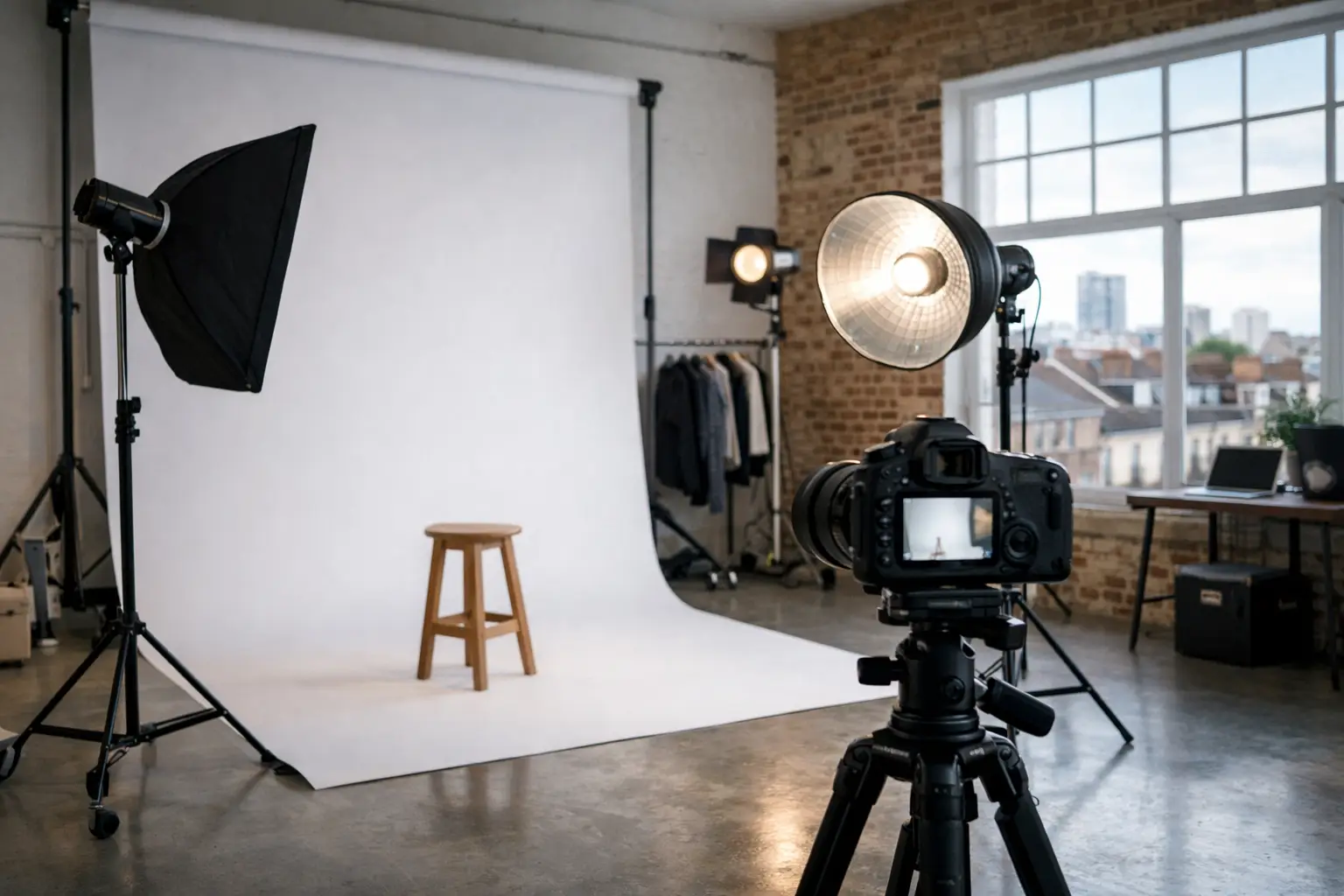
A tight studio can ruin a good shoot before the first frame is taken. When photography studio hire in South London is the brief, the real question is not just postcode – it is whether the space actually works for the production you are planning.
For photographers, agencies and brand teams, that usually comes down to the same few pressures. You need enough room to light properly, move crew without chaos, get kit in and out quickly, and keep the day running to schedule. A studio can look fine on a booking page and still slow everything down once the set goes up, the client arrives and the equipment cases start stacking up.
That is why hiring on price alone is rarely the smart move. The better comparison is value against workflow. A slightly larger, better-equipped, easier-access studio often saves money over the course of a shoot because it cuts wasted time, avoids extra equipment rental and reduces compromises on set.
What good photography studio hire in South London should actually give you
South London has real advantages for production. You can often get better space than more central locations, easier vehicle access and less friction around load-in, parking and shoot hours. But those advantages only matter if the studio has been set up with production in mind.
A usable photography studio should first give you physical scale. That means enough floor space for set builds, product staging, larger backdrops or multi-light setups. It also means ceiling height that allows lighting to be placed where it needs to be, rather than where the room will tolerate it. Low ceilings are one of the most common reasons a studio stops being practical the moment a more ambitious brief lands.
Access matters just as much. Ground-floor entry, shutter access and drive-in suitability make a genuine difference when you are moving flats, props, plinths, rollable sets or heavy cases. If every item has to be hand-carried through narrow corridors or lifted into a cramped goods lift, your call time starts getting eaten before the crew is even ready.
Then there is the equipment question. Some studios advertise themselves as professional spaces but provide little more than walls and power sockets. That model can work for smaller owner-operator shoots, but for commercial work it often creates avoidable costs. In-house lighting, grip and support for pre-rigging can change the economics of a production day very quickly.
Why cheaper studios often cost more
The London studio market has plenty of spaces that appear affordable at first glance. The catch usually shows up later. You pay a lower day rate, then add external lighting hire, extra crew time for awkward loading, overtime because the turnaround was slower than expected, and transport complications because parking is limited or non-existent.
This is where many bookings become false economy. A low headline rate can look attractive when you are pricing a test shoot or content day, but if the studio layout forces compromises, the total production cost often rises. Even worse, the creative output suffers. Restricted camera angles, weaker lighting positions and cramped talent movement are not abstract concerns – they show up in the final images.
The better approach is to ask what the space removes from the schedule. If the studio includes a proper lighting grid, blackout capability, useful in-house kit and practical access, that is not just a nicer experience. It is a more efficient production environment.
The features that make a serious difference on shoot day
The most useful studios are designed around production reality rather than styling. A clean finish and a polished client area are welcome, but they should sit behind the fundamentals, not replace them.
Ceiling height and lighting control
If you are shooting fashion, automotive details, furniture, portrait campaigns or branded content with layered lighting, height is not optional. High ceilings give you cleaner light placement, more flexibility with modifiers and less spill contamination. Add a proper grid and the studio becomes easier to rig safely and efficiently.
Lighting control is equally important. Blackout options let you create consistency across a long day, especially when the weather changes every twenty minutes, which in London is hardly unusual. For stills teams mixing flash and continuous light, that control is often the difference between a smooth setup and constant adjustment.
Infinity cove, blackout space and adaptable backgrounds
A strong studio should support different kinds of photography without forcing a complete rethink of the brief. An infinity cove is useful for clean commercial imagery, product launches, e-commerce and motion crossover work. A blackout area suits mood-led portraiture, film stills, music content and controlled lighting setups.
The point is flexibility. Not every shoot needs a cove, and not every production wants a black box, but having both available expands what can be achieved in one location. That matters when clients want multiple looks from a single booking.
Access, parking and loading
Production teams tend to notice these things only when they go wrong. Free parking, ground-floor access and a proper shutter entry sound functional because they are. They save time, reduce handling problems and make larger jobs far easier to manage.
This is especially relevant for agencies and brands bringing in products, props or display pieces. The difference between a drive-up studio and a third-floor room with restricted access is not small. It can shape staffing needs, setup time and the complexity of the whole production plan.
In-house kit and technical support
A studio that comes with extensive lighting and grip support gives you more control over both budget and pace. It also reduces the chance of fragmented logistics, where part of your equipment is arriving from one supplier, stands from another and expendables from somewhere else entirely.
Technical support matters too, particularly on larger shoots or for teams moving between stills and motion. Pre-lighting and pre-rigging support can make an early call significantly more productive. For experienced crews it speeds up workflow. For smaller teams it provides reassurance that the space will not become a problem to solve on the day.
Choosing the right studio for the type of shoot
Not every production needs the same room. A clean e-commerce session for a small product range has very different demands from a branded fashion campaign with video, set styling and agency attendance.
For e-commerce and catalogue work, consistency is usually the priority. You want predictable light, enough room for rails, changing area, tethering station and product organisation, plus a setup that can run efficiently across high volumes. In that case, straightforward access to power, background options and a practical layout matter more than decorative interiors.
For editorial and campaign photography, flexibility tends to matter more. You may need to rework the set several times, move between hard and soft lighting styles, and bring in larger art direction elements. Space to think and space to move become valuable very quickly.
For hybrid stills and motion shoots, the studio needs to support both disciplines without forcing compromises. That means good acoustics where possible, blackout options, enough rigging support, and a footprint that allows separate areas for shooting, monitoring and client review.
South London versus central London
For many productions, South London is the stronger commercial choice. Central locations can be useful for convenience, but they often come with trade-offs that become expensive once the day starts: tighter floorplans, access restrictions, parking headaches and rates that reflect postcode more than practical value.
South London studios often give crews more room to work, easier transport for larger vehicles and fewer compromises around setup. That does not mean every South London space is automatically better. It means the area can offer a more production-friendly balance of cost and capability if you choose carefully.
That balance is exactly why many commercial teams now prioritise function over prestige location. Clients care about the result and the efficiency of the day. They rarely care whether the studio was hidden behind a fashionable central postcode if the workflow was poor.
What to ask before you book
Before confirming any photography studio hire in South London, it is worth being direct. Ask about ceiling height, usable floor area, shutter or ground-floor access, parking, in-house kit, blackout capability and whether pre-rigging is possible. Ask what kind of productions the studio regularly handles. A space built for serious stills and film work will answer these questions clearly and confidently.
It is also sensible to ask what is included in the rate. Some bookings look competitive until basic production requirements are added back in as extras. Transparency matters because it lets you budget accurately and compare like for like.
Studios such as Cineview Studios stand out when they are built around those realities rather than trying to retrofit them into a smaller, compromised site. For crews that need scale, access and technical readiness without inflated rates, that difference is not cosmetic. It affects the whole day.
The right studio should make the production easier to run and easier to elevate. If a space gives you room, access, proper kit and the flexibility to adapt on the day, you are not just hiring four walls – you are buying back time, control and creative headroom.