



The Future of Virtual Production studio
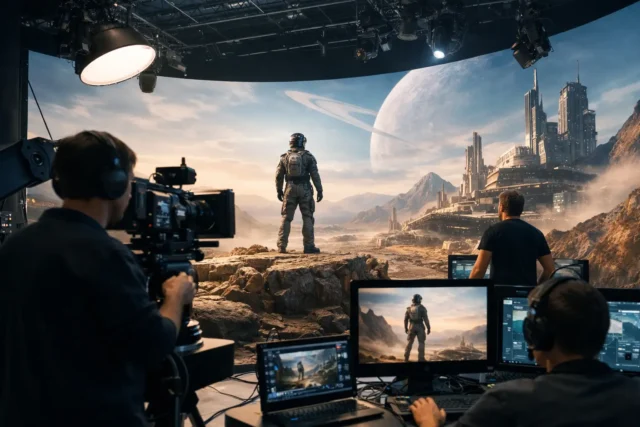
A few years ago, virtual production studio was still treated by many crews as a specialist workflow reserved for blockbuster budgets and tech-led experiments. That has changed quickly. The future of virtual production studio is now a practical question for agencies, production companies, brand teams and independent filmmakers who need more control over time, cost and creative consistency.
For working production teams, that shift matters because virtual production studio is no longer just about novelty. It is about replacing avoidable location risk with a controlled environment, reducing company moves, tightening lighting continuity and giving directors and clients a clearer view of the final image while the shoot is still live. When deadlines are short and budgets are under pressure, those are not minor advantages.
Why the future of virtual production studio looks commercial, not experimental
The biggest change is not the technology itself. It is the reason productions are choosing it. Early conversation around virtual production studio often focused on spectacle – large LED volumes, game engines and ambitious world-building. The market has matured. More teams are now interested in what the setup does for the schedule.
That means fewer weather delays, fewer travel costs, less dependence on narrow location booking windows and a simpler approvals process for clients who want confidence before signing off creative. For branded content, music videos, product campaigns and commercial shoots, that reliability is often more valuable than pure technical innovation.
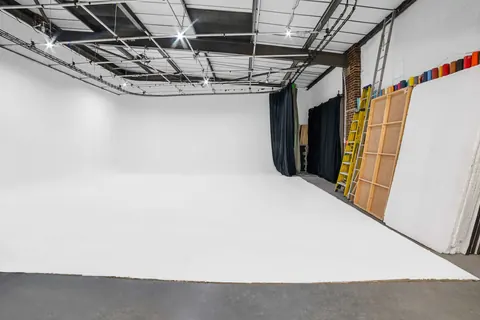
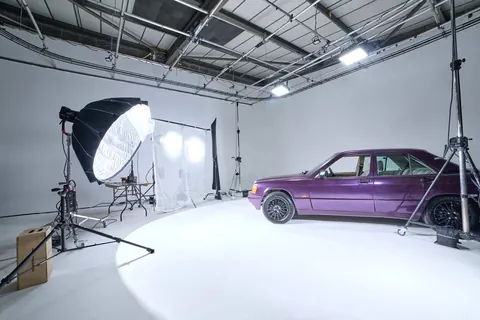
This is also why the future is unlikely to belong only to giant, permanent VP stages. A lot of demand will come from flexible studio environments that can support virtual production studio when needed, but still function efficiently for green screen studio, set builds, tabletop work or conventional photography. For many producers, versatility will beat excess.
The future of virtual production studio will be shaped by workflow
Technology tends to get the attention, but workflow decides whether a production actually saves money. A virtual production studio setup only delivers real value when the studio, crew and technical planning are aligned from pre-production onwards.
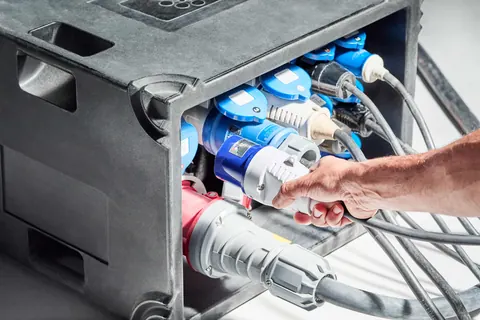
That starts with the basics. Ceiling height matters because lighting flexibility still matters. Access matters because scenic elements, props, vehicles and larger technical packages need to move in without wasting half the call time. Power, rigging options and blackout control matter because the most advanced screen in the room still relies on disciplined production conditions.
In other words, the future of virtual production studio is not simply brighter screens and better rendering. It is better integration with the realities of a working shoot.
Pre-production will become more front-loaded
One clear trend is that more decision-making will happen before the camera day. Virtual production studio rewards teams that lock creative choices earlier, particularly around camera movement, lensing, scene layout and background content. That can feel restrictive if a project is used to solving everything on the day, but it often creates a more efficient set.
There is a trade-off. If the concept is highly fluid and the client wants endless last-minute changes, virtual production studio can become slower rather than faster. But where there is a clear brief and a defined visual direction, front-loading the work usually reduces waste later.
For production managers and agency producers, this changes where risk sits. Instead of gambling on location variables, more of the risk moves into planning, previs, asset preparation and technical testing. Managed properly, that is usually a better trade.
Real-time collaboration will become standard
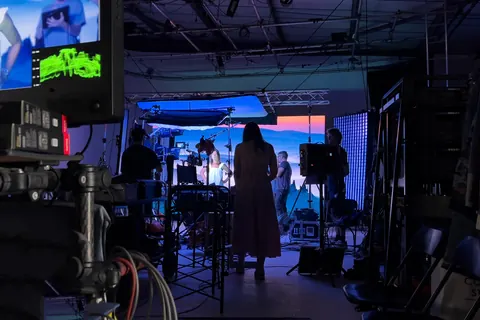
Another major shift is the way decisions happen on set. Directors, DOPs, agency teams and clients can assess framing, reflections, backgrounds and lighting relationships with far more accuracy during the shoot. That compresses feedback loops.
Again, it depends on the project. Some work benefits massively from that visibility, especially campaign shoots where multiple stakeholders need reassurance. Other projects, particularly leaner editorial or performance-led work, may not need the same level of real-time sign-off. The point is not that every shoot should use virtual production studio. The point is that more shoots will have it as a serious option.
What production teams will actually demand next
As adoption grows, clients will become less impressed by the phrase virtual production studio on its own. They will want to know what the setup improves.
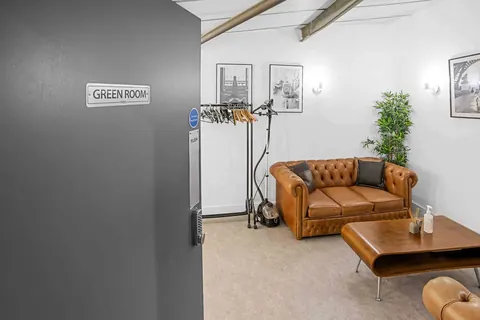
That means studios and suppliers will be judged on practical outcomes: can the space support efficient load-in, can crews pre-light or pre-rig, is there enough room for agency attendance, does the environment work for both technical operation and client presentation, and can the team adapt the setup around the production rather than forcing the production into a rigid package.
This is where many facilities will be separated. The future of virtual production studio will reward spaces that understand production logistics, not just display technology. A stage that looks impressive in a pitch deck but creates bottlenecks on the day is not solving the real problem.
For London shoots in particular, this matters more. Productions are balancing high expectations against expensive labour, tight schedules and limited space. If a studio cannot offer straightforward access, usable floor area and reliable support, the technology alone will not justify the hire.
LED walls will grow, but hybrid setups will matter too
There is a tendency to discuss virtual production studio as though LED is the only endpoint. It is not. LED volumes will continue to improve and become more accessible, particularly as image quality, pixel pitch and control systems advance. But hybrid workflows will remain important because not every brief needs a full VP stage.
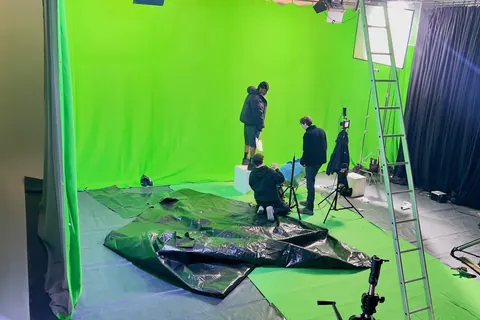
For some projects, a combination of green screen studio, tracked camera work and selective in-camera elements will be the smarter spend. For others, practical set pieces combined with virtual backgrounds will deliver the right balance of realism and flexibility. There will also be shoots where a traditional set or location remains the best answer.
That is the real commercial future – not a one-size-fits-all model, but a broader production toolkit. Teams that understand when to use virtual production studio, and when not to, will get better results than teams using it for the sake of fashion.
Smaller brands and independent creators will use it differently
One of the most significant developments ahead is that virtual production studio will not stay confined to premium campaigns. As workflows become more accessible, smaller brands, e-commerce teams and independent creators will use elements of it in more focused ways.
They may not need complex digital worlds. They may need controlled product environments, repeatable branded backdrops, efficient multi-scene shooting in one studio day or a way to capture polished campaign assets without the cost of multiple locations. In those cases, virtual production studio becomes a commercial tool rather than a cinematic statement.
That shift is important because it widens the market. It also changes expectations. More clients will ask not for the most advanced technical spec, but for the most efficient route to a better-looking result. That suits studios built around practicality and flexibility rather than inflated theatre.
The winning studios will make virtual production studio easier to use
The next phase will be less about explaining what virtual production studio is and more about removing friction around booking and delivery. Producers do not want another complicated layer of technical sales language. They want clarity on what is possible, what the setup requires and how it affects the day rate, crew structure and schedule.
Studios that succeed will be the ones that package virtual production studio as part of a workable shoot environment. That includes proper access, decent rigging infrastructure, enough space for crew and clients, and the support needed to move from prep to shoot without constant compromise. At Cineview Studios, that practical view of production matters because the technology only earns its keep when the space around it works just as hard.
What to plan for now
If you are commissioning or producing content, the smart move is not to ask whether virtual production studio will replace traditional filmmaking. It will not. The smarter question is where it can remove friction from your own workflow.
For some teams, that will mean using it to reduce location dependency. For others, it will mean tighter campaign control, more predictable shoot days or the ability to build multiple looks in one space. And for some productions, the best answer will still be a conventional studio setup with no VP layer at all.
The future of virtual production studio is strong because it addresses genuine production pressures – time, cost, consistency and control. The teams who benefit most will not be the ones chasing the newest jargon. They will be the ones choosing the right environment, planning properly and using the technology where it gives a clear advantage.
That is where the real shift is happening: virtual production studio is becoming less of a showcase and more of a working method, which is exactly why it is going to matter.