
Choosing a Commercial Video Studio London
If you are booking a commercial video studio London productions can actually run efficiently in, the decision usually comes down to more than square footage and day rate. A studio can look fine in a photo and still slow a shoot down the moment a crew arrives, a client steps in, or a vehicle needs unloading. For commercial work, the real test is whether the space supports the pace, scale and demands of production without adding friction.
That matters because London is full of studios that sound good on paper but create avoidable problems on set. Tight access, awkward load-in, low ceilings, limited power, weak blackout, no parking, sparse in-house kit and rigid hire terms all eat into time and budget. When the crew is waiting, the talent is booked by the hour and agency clients are on site, those issues stop being minor inconveniences and start becoming production costs.
What a commercial video studio in London should actually deliver
A commercial studio is not just an empty room with some lights. It needs to function as a working production environment. That means enough floor space to build properly, rig safely and move quickly. It means ceiling height that gives your gaffer options rather than forcing every lighting decision onto the floor. It means access that lets vans and kit get in without a long, inefficient chain of cases through narrow corridors.
For many shoots, the basics decide whether the day runs well. Ground-floor access matters. A shutter door matters. Free parking matters. So does 24/7 availability, especially when call times start early, strike runs late or a production needs to work around talent schedules. These are not add-ons. They are practical advantages that affect crew hours, set-up speed and overall control.
The strongest studios are built around workflow, not just presentation. You should be able to pre-light, pre-rig and walk into a space that is ready for camera, rather than paying a full crew to spend the first half of the day solving avoidable access and rigging problems.
Why access and layout matter more than most people expect
One of the biggest differences between an average studio and a production-friendly one is how easily the building handles movement. Commercial shoots often involve more than cameras and a few stands. You may have art department pieces, styling rails, product stock, teleprompter kit, DIT stations, props, client catering and a sizeable lighting package. If the studio is difficult to enter, every department loses time.
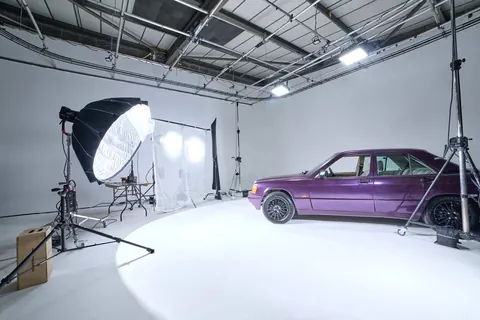
Drive-in or near-direct loading access is especially valuable for automotive work, larger set pieces and high-volume product shoots. Even where a full drive-in is not essential, wide ground-floor access reduces labour and protects the schedule. That is particularly relevant in London, where crews are already balancing traffic, parking restrictions and tight production windows.
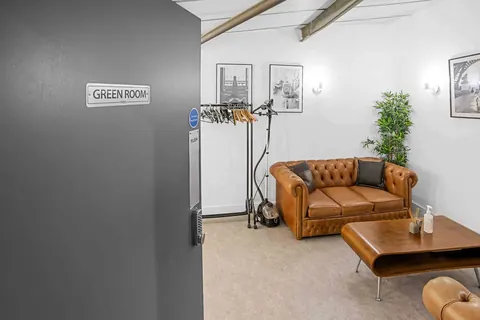
Layout is equally important once everyone is inside. A space can be technically large but still awkward if the usable shooting area is compromised by poor ceiling height, obstructive architecture or limited breakout space. Commercial production needs room to separate functions properly – shooting, client viewing, prep, kit staging and talent holding all need to coexist without getting in each other’s way.
Ceiling height changes your lighting options
Low ceilings force compromises. Fixtures end up too close to subject, reflections become harder to manage, and creating shape without spill becomes more difficult. For branded content, fashion, interviews, tabletop campaigns and high-spec product work, this can be the difference between a clean, controlled image and a patchwork workaround.
A proper lighting grid and generous ceiling height give crews more freedom. You can work faster, keep the floor clearer and build more ambitious looks without fighting the space. For commercials and branded campaigns, that flexibility often translates directly into higher production value.
Facilities that make a London commercial studio genuinely useful
A good commercial studio should remove the need to source multiple locations or bolt together temporary solutions. That is where specialist features start to matter.
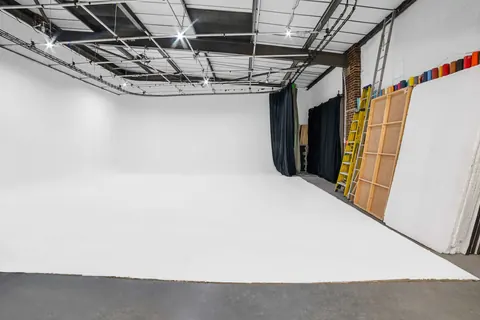
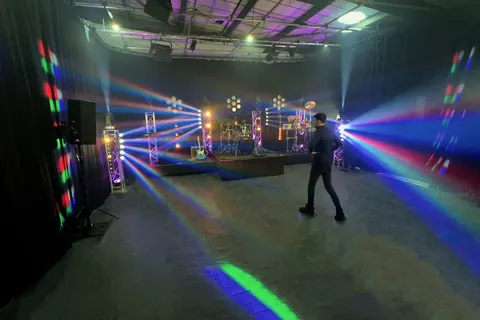
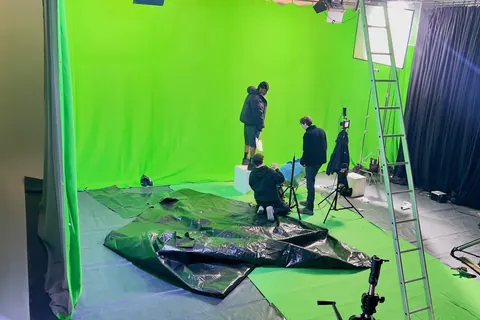
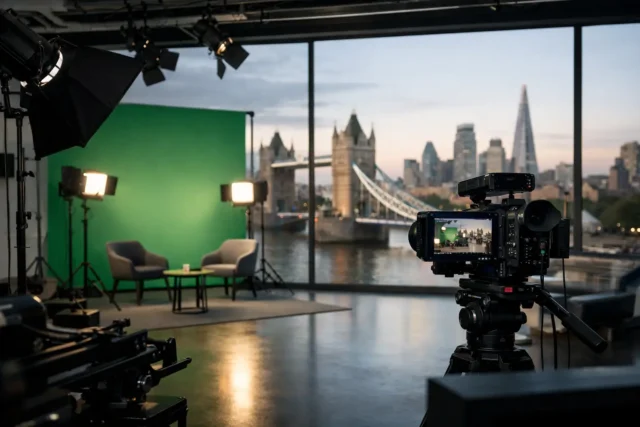
An infinity cove studio is valuable when you need a clean, polished finish for product films, e-commerce motion assets, fashion content and branded spots. A blackout studio gives you full control over lighting conditions, which is essential for dramatic setups, projection work and precise commercial lighting. Green screen studio remains a practical requirement for many agencies and production teams, especially when creating scalable campaign assets or VFX-led content.
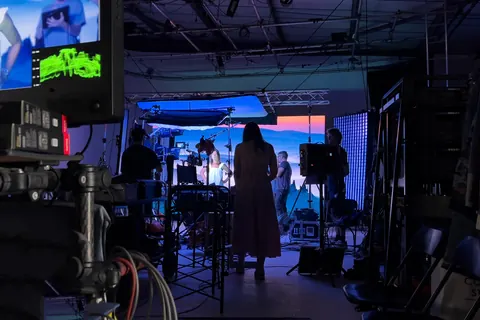
Virtual production studio capability is becoming more relevant too, but only when it is backed by a studio that can support the broader technical and logistical setup. The same goes for set builds. A space may claim flexibility, but if access is poor, ceiling clearance is limited or build logistics are awkward, that flexibility quickly narrows.
Studios that are designed for mixed production use tend to offer the best value. Photography, videography and filmmaking increasingly overlap on commercial jobs, with clients expecting stills, social cutdowns, hero film and campaign variants from one shoot. A studio that supports all of that in one place is not just convenient. It is commercially efficient.
The cost question: cheap hire versus real value
Price matters, but day rate on its own is a poor way to judge a studio. A cheaper space can become more expensive very quickly if it requires extra crew time, external equipment hire, parking costs, access delays or compromises in shot quality.
That is why experienced production teams look at total shoot cost rather than headline hire fee. If a studio includes extensive in-house lighting and grip, offers pre-rigging support, has free parking and allows efficient load-in, it can outperform a nominally cheaper option with none of those advantages. The savings show up in fewer delays, lower overtime risk and less dependency on outside suppliers.
There is also the client-facing side to consider. Commercial shoots are often attended by brand teams, agencies and stakeholders. A studio needs to feel professional, organised and capable. If the environment feels improvised, cramped or under-equipped, it affects confidence. That may not appear on a budget sheet, but it influences approvals, working pace and repeat business.
Who benefits most from the right commercial video studio London space?
Agencies need reliability. They are managing deliverables, approvals and client expectations at once, so they value studios that reduce risk and keep the day controlled. Production companies need technical readiness, enough scale to deliver the brief properly and support that understands how real shoots run. Brand teams often need a space that looks polished while still being practical behind the scenes.
Independent filmmakers, videographers and smaller brands have a slightly different calculation. They still need professional results, but they are usually watching every line of the budget. For them, the right studio is one that gives access to premium production functionality without forcing a premium-only pricing model.
That is where an affordable but fully equipped facility stands apart from typical London options. It is not about being cheap. It is about avoiding the inflated pricing and physical limitations that too often come bundled together in the capital.
How to assess a studio before you book
The quickest way to judge a studio is to think through your shoot day from arrival to wrap. How easy is load-in? Is there proper parking? Can your crew pre-light the space? Is there enough rigging capability for the treatment you want? Does the layout support both production and client attendance? Will you need to bring in half the kit yourself?
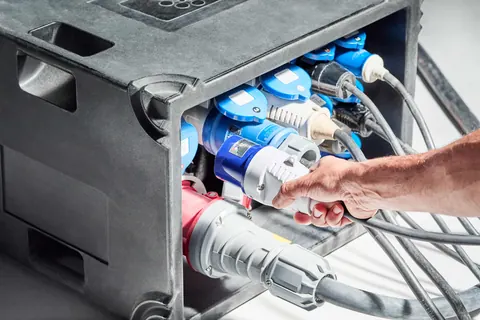
Ask practical questions, not just aesthetic ones. What power is available? How strong is the blackout? Is there a green screen studio option? Can the studio support set builds? Are there high ceilings and a lighting grid? What are the access hours? If your day overruns, is the space workable or does everything become a negotiation?
It is also worth being honest about the scale of your production. Not every commercial shoot needs a huge stage, but booking too small creates false economy. The better approach is to choose a studio with enough headroom for the current job and enough flexibility to absorb last-minute changes. Commercial productions rarely get simpler once prep begins.
For teams looking for that balance, Cineview Studios is positioned around exactly those operational needs – a large-scale London production space with the access, equipment and flexibility that commercial crews actually use.
The studios that save money are usually the ones that save time
The best commercial studios do not just provide space. They protect the schedule. They let departments work properly. They give producers fewer problems to solve and creatives more room to execute the brief well. In a city where time disappears quickly and costs climb faster, that is what makes a studio worth booking.
If you are weighing up options, focus less on sales language and more on what the building allows your team to do. A commercial shoot runs better when the studio is built for production first. That is usually the difference between getting through the day and getting the job done properly.