
10 Best Commercial Photography Studio Features
When a shoot runs over, it is rarely because the camera was not good enough. More often, the problem is the space. Poor access slows load-in, low ceilings limit lighting, weak power options disrupt the day, and a studio that looks affordable on paper starts costing more in crew time. That is why the best commercial photography studio features are not cosmetic extras. They are the practical details that keep production moving.
For commercial work, the right studio should do more than provide four walls and a white backdrop. It should reduce friction, support different shooting styles and give your team room to work properly. Whether you are producing e-commerce imagery, campaign stills, branded content or a hybrid photo and video shoot, the value of a studio is measured by how well it performs under pressure.
What the best commercial photography studio features actually do
A good commercial studio improves three things at once: speed, control and output. Speed matters because every delay affects budget. Control matters because lighting, sound, set layout and client oversight all need a predictable environment. Output matters because the final images have to justify the production spend.
This is where many studio searches go wrong. Teams compare day rates without looking hard enough at what is included. A cheaper hire can become expensive very quickly if you need extra equipment deliveries, off-site parking, additional crew to manage difficult access or compromises in shot design because the room is too restrictive.
The strongest studios earn their keep before the first frame is captured.
Space and ceiling height are non-negotiable
One of the best commercial photography studio features is simple: enough room to shoot properly. That means floor space for sets, crew movement, styling stations, client viewing and equipment staging. It also means enough height to light from where you actually want to light, rather than where the ceiling allows.
High ceilings with a lighting grid give photographers and production teams far more options. You can rig overhead sources cleanly, keep stands off the floor where needed and maintain a safer, more organised working area. For fashion, automotive details, larger product builds and multi-angle commercial setups, low ceilings create limitations almost immediately.
This is also where scale affects creative ambition. If a studio can only handle a basic paper roll setup comfortably, it may be fine for quick packshots. It is less useful for campaign work, talent shoots, oversized props or any brief that could evolve on the day.
Access should be built for production, not just people
A studio can look excellent online and still be a poor production space if load-in is difficult. Ground-floor access, wide shutter entry and drive-in capability save time in ways that matter to every department. Set pieces, furniture, props, lighting cases and grip equipment move faster. So do people.
For commercial productions, access is not a convenience feature. It is an operational one. If your crew is carrying kit through narrow corridors, waiting on goods lifts or paying for distant parking, the day starts slower and ends later.
Free parking is part of this conversation too. In London especially, parking can become an unnecessary production tax. A studio with on-site parking and practical load-in arrangements gives crews a clearer schedule and fewer avoidable costs. That matters whether you are running a compact stills job or a larger multi-vehicle production.
The infinity cove studio is still one of the most useful studio assets
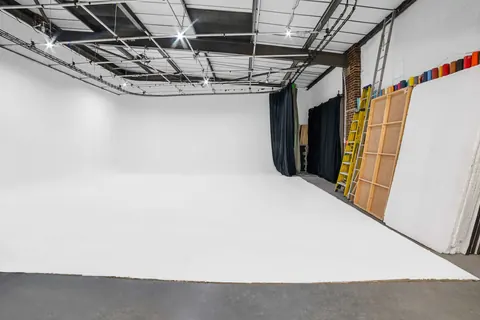
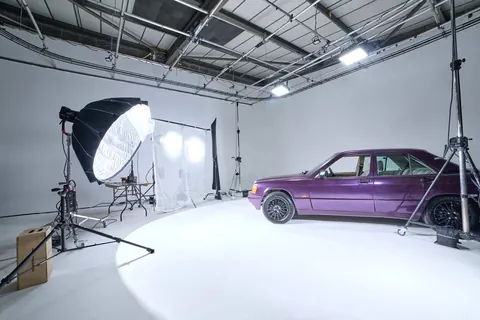
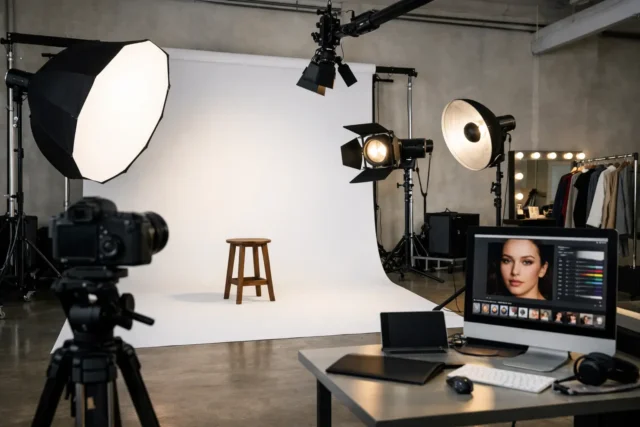
Among the best commercial photography studio features, a well-maintained infinity cove studio remains one of the most versatile. It gives you a clean, continuous background for fashion, product, advertising and motion work, and it saves time in post because the environment is designed for polished capture.
Not every cove is equal. Size, finish and lighting flexibility all affect how useful it is. A small cove may be enough for single-subject portraits or tabletop extensions, but less effective for group setups, movement shots or larger commercial compositions. The more space you have around the cove, the easier it becomes to light efficiently and position crew without compromising the frame.
If your brief includes both stills and video, a cove becomes even more valuable. It allows one location to support multiple deliverables without a full set rebuild.
Blackout capability gives you control
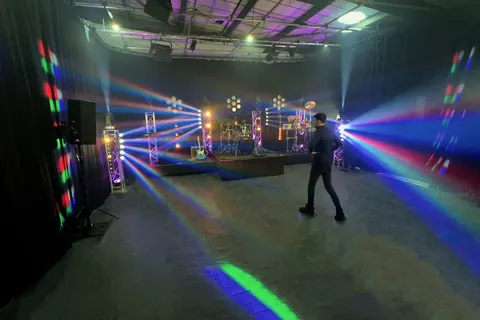
Natural light has its place, but commercial production often depends on consistency rather than mood. A true blackout studio gives photographers and filmmakers complete control over exposure, contrast and timing. That is especially useful when a client needs continuity across a full-day shoot or when content must match existing campaign assets.
This is one of those features that separates a creative studio from a production-ready one. Blackout conditions let you shape light precisely, avoid weather-related shifts and work to a fixed visual standard. If you are shooting reflective products, controlled portraiture, motion content or high-end advertising stills, that reliability is a serious advantage.
There is a trade-off, of course. Some teams prefer a daylight look for editorial or lifestyle imagery. The ideal studio either offers both options or is honest about what it is built for. What matters is knowing the environment fits the brief before shoot day.
In-house lighting and grip should be strong enough to rely on
Studios often claim to be fully equipped, but the real question is whether the kit list supports professional commercial work without constant supplementation. Reliable in-house lighting and grip save money, reduce van space and make last-minute adjustments easier.
The best setups include more than a few basic heads and stands. You want a practical inventory that suits different productions, from product photography and portraits to moving image capture and larger staged setups. Grip matters just as much as lighting. Without the right support equipment, even a well-lit concept becomes slower to execute.
Pre-lighting and pre-rigging support can make a substantial difference here. If a studio team can help prepare the space before call time, your crew starts the day ready to shoot rather than ready to build. That is not a luxury. On commercial jobs with agency stakeholders, talent bookings or tight delivery schedules, it is a useful form of cost control.
Specialist features matter when the brief changes
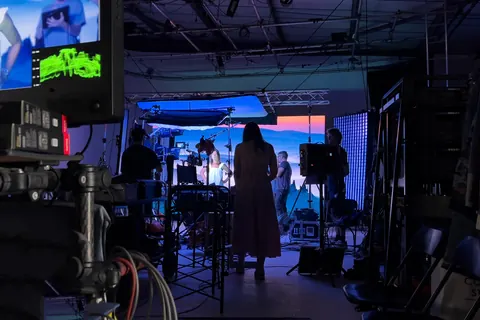
Commercial shoots do not always stay simple. A stills booking can expand into behind-the-scenes video, social cutdowns, interviews or motion plates. That is why flexible technical features add value beyond their niche use.
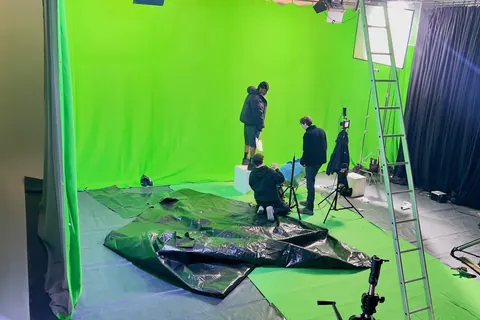
Green screen studio capability is a good example. Not every booking needs it, but when it does, trying to improvise in the wrong space wastes time. The same applies to virtual production studio readiness or a studio that can support set builds safely and efficiently. These features matter most to agencies, production companies and brand teams managing multiple outputs from one schedule.
A studio with specialist options also gives clients room to scale. You may arrive with a single-day photography brief and discover the space can accommodate future campaign phases without moving to a different facility. That continuity can simplify budgeting and planning across a wider project.
Client and crew workflow should not be an afterthought
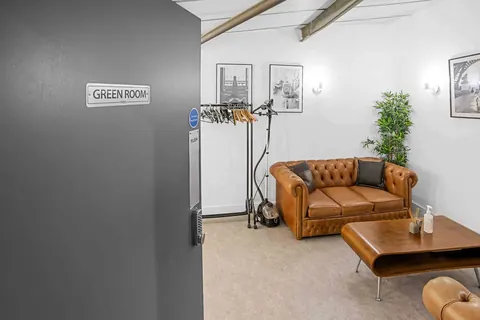
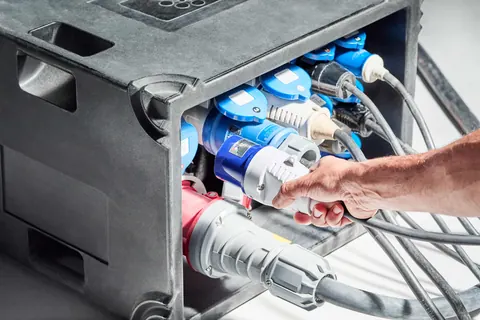
Commercial studio hire is not only about what appears in frame. It is also about how the day runs behind the camera. Space for clients to review imagery, comfortable holding areas, practical power distribution, clean prep zones and enough room for hair, make-up and styling all contribute to a smoother production.
Studios that ignore workflow tend to create unnecessary friction. People end up working on top of each other, equipment is parked in circulation areas and decision-makers do not have a clear place to monitor progress. None of that improves the work.
A production-friendly studio supports the whole team. That is one reason facilities with 24/7 access are increasingly valuable. Early call times, overnight preps and back-to-back bookings are common in commercial production. Flexibility around timing can be just as important as flexibility in layout.
Price only makes sense when matched to functionality
The phrase affordable studio hire is used loosely, especially in London. What clients actually need is value. That means the rate should reflect the production capability of the space, the equipment included, the access provided and the amount of support available.
A lower headline fee can still be poor value if the studio lacks parking, requires external kit hire or cannot handle the format of your shoot. Equally, a premium rate can be justified if the space removes enough friction to save hours across the day. Smart buyers look at the total production picture rather than the booking cost in isolation.
This is exactly why facilities such as Cineview Studios are built around function first. The strongest commercial spaces do not ask crews to compromise just because they are working within a budget. They offer the technical essentials that make a professional shoot viable.
Choosing the best commercial photography studio features for your brief
The right feature set depends on what you are producing. Product photography places a premium on control, power access and lighting options. Fashion and talent shoots need ceiling height, styling space and a good cove. Automotive or oversized prop work depends heavily on drive-in access and floor area. Hybrid stills and motion productions benefit from blackout control, rigging support and enough room to keep departments separate.
So the better question is not which studio has the longest list of features. It is which features remove the most risk from your particular job. A well-designed commercial studio should make the shoot feel easier, faster and more capable from the moment your crew arrives.
If you are comparing spaces, look past the brochure language and assess what will help the day run cleanly. The best studio feature is usually the one that prevents a problem you never have to solve.