Photography Studio Hire South London Guide
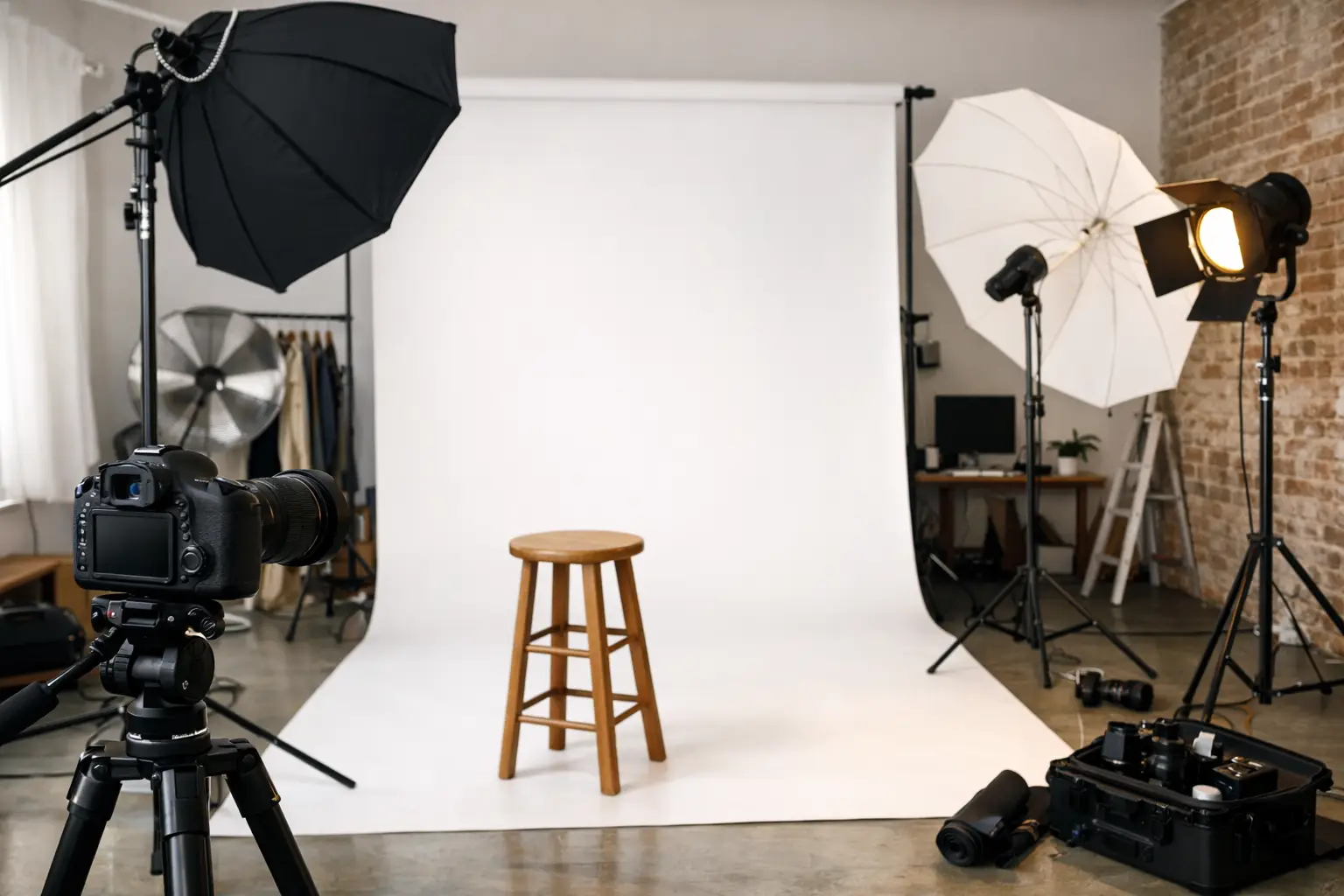
When a shoot runs over because the van cannot unload properly, the ceiling is too low for the lighting plan, or half the kit has to be hired in separately, the day gets expensive fast. That is why photography studio hire South London clients choose should be judged on production value, not just the hourly rate. A studio can look affordable on paper and still cost more in crew time, delivery issues and compromised results.
For photographers, agencies, brand teams and production companies, South London is a practical base. It gives you strong access across the capital, more workable space than many central locations, and often better value for commercial shoots that need room to move. But not every studio is built for real production demands. Some are fine for a simple portrait session. Others are equipped to handle e-commerce, editorial campaigns, automotive work, branded content and full set builds without the usual friction.
What matters most in photography studio hire South London
The first question is not price. It is whether the studio supports the way your shoot actually works.
A production-friendly studio should reduce setup time, simplify logistics and give your team options on the day. That starts with the fundamentals: generous floor space, proper ceiling height and reliable power. If you are lighting people, products or larger set pieces, cramped dimensions create limitations immediately. You either flatten the lighting because there is no room to shape it properly, or you spend time forcing a plan into a space that was never designed for it.
Access is just as important. Ground-floor entry, shutter access and drive-in capability make a major difference if you are bringing in flats, props, larger products or a full grip package. On paper, two studios may look similar. In practice, the one with awkward stairs, narrow doors and restricted loading turns a straightforward call sheet into a longer, more expensive day.
Then there is the support infrastructure around the shoot. Free parking, 24/7 access, in-house lighting and grip, and the ability to pre-rig or pre-light are not extras. For commercial teams, they are time savers that protect budget and keep the schedule realistic.
Why South London often makes more sense than central locations
Many clients start by looking at central London because it feels convenient. The reality is often the opposite. Central spaces can be smaller, harder to access and priced at a premium that is difficult to justify once you factor in what is missing.
South London tends to offer a better balance between location and functionality. You can stay connected to agencies, clients and crew across the city while gaining the practical advantages that busy productions need. More generous layouts, easier vehicle access and fewer loading headaches translate directly into a smoother day on set.
This matters even more for shoots with multiple stakeholders. If you are hosting clients, stylists, assistants, DOPs, retouchers or brand teams, the studio has to work as an operating environment, not just a backdrop. People need room to move, review images, manage wardrobe, build sets and keep the day organised without tripping over one another.
The features that separate a serious studio from a cheap room
A lot of spaces market themselves as studios. Fewer are built as production facilities.
An infinity cove, for example, gives photographers and filmmakers far more flexibility than a paper roll setup. It is cleaner, more versatile and better suited to campaigns, product work, fashion, motion and commercial content where the finish needs to hold up across formats. A blackout studio adds another level of control. If you are shooting dramatic stills, video content or anything that depends on precise lighting, uncontrolled daylight can become a problem rather than a benefit.
A green screen setup can also be decisive, especially for hybrid productions where stills and motion are captured in the same booking. The same applies to virtual production capability and set-build suitability. Not every client needs those features, but for teams working across campaign assets, branded content or more ambitious concepts, having them on site avoids moving between locations or compromising the brief.
High ceilings with a proper lighting grid deserve special attention. This is one of the clearest signs that a space understands production. It gives your crew more control, keeps the floor cleaner and helps you work efficiently with larger modifiers, overhead rigs and more complex setups. Low ceilings limit options very quickly. They might be manageable for headshots or basic product shots, but they are rarely ideal for commercial work with any scale.
Cost is not just the hire rate
One of the biggest mistakes in booking photography studio hire South London is treating the day rate as the full cost. It never is.
If a studio does not include useful in-house equipment, you will hire externally. If the access is poor, crew hours increase. If parking is limited, vehicles end up off site and load-ins take longer. If you cannot pre-light, your booked shoot time gets eaten by setup. Cheap studios often become expensive because they pass operational problems back to the client.
A better-value studio gives you more than a room. It gives you the conditions to work quickly and properly. That may include lighting and grip equipment on site, support with rigging, enough space for talent and clients, and practical details like straightforward parking and unrestricted working hours.
For many productions, that is where the real saving sits. You are not paying for a fashionable postcode. You are paying for fewer delays, better output and a crew that can stay focused on the work.
Choosing the right studio for your type of shoot
Different productions need different priorities, and this is where a lot of booking decisions go wrong.
For e-commerce and product photography, consistency usually matters more than character. You need control, repeatability and enough space to build a reliable workflow. A clean infinity cove, good power provision and easy access for stock and props are often more useful than decorative features.
For editorial and fashion work, height, depth and flexibility become more important. You may need room for larger lighting setups, styling stations and client review areas. If motion is part of the brief as well, the value of a blackout option or green screen rises quickly.
For larger commercial productions, the conversation shifts to logistics. Can vehicles get in easily? Is there room for set building? Can departments operate without bottlenecks? Is the studio available around the clock if the schedule demands it? These are the questions that shape the day far more than whether the website pictures look polished.
A facility such as Cineview Studios is designed around those practical demands. The appeal is not only the scale of the space, but the fact that it removes common London studio problems – limited access, tight dimensions, inflated rates and too little included support.
Questions worth asking before you book
Before confirming any studio, ask how the space handles a real production day.
Find out whether there is ground-floor access and whether a shutter entry is available. Ask what lighting and grip are included, whether pre-rigging can be arranged, and whether there is free parking on site. Check ceiling height, not just floor area. Confirm whether the studio can support both stills and motion if your brief may expand. And ask about opening hours early, because restricted access can create knock-on costs for crew and talent.
It is also worth asking how the team supports first-time hirers. Experienced production crews will know exactly what to request, but smaller brands and independent creators may need more guidance. A good studio should be able to advise without overselling. That balance matters. You want support that improves the booking, not pressure that complicates it.
The best studio is the one that keeps the day moving
A successful shoot is rarely about one standout feature. It is about whether the whole environment works. The best photography studio hire South London offers is the kind that helps your team load in quickly, light properly, stay flexible and deliver without unnecessary friction.
That means looking past surface-level marketing and focusing on what affects the schedule, the budget and the final images. Space matters. Access matters. Equipment matters. So does the simple question of whether the studio was designed for production or adapted to look like one.
If your next booking needs to support more than a basic setup, choose a space that earns its keep from the first load-in to the final pack-down. A studio should make the job easier, not ask your crew to work around its limitations.