

Photography Cheapest Studio Hire in London
Cheap studio hire usually stops looking cheap the moment the shoot starts. You save on the hourly rate, then lose money on overtime, difficult access, missing kit, cramped working areas and a space that was never really built for production. If you are searching for photography cheapest studio hire, the real question is not who advertises the lowest number. It is which studio gives you the lowest total cost to deliver the shoot properly.
That distinction matters more in London than almost anywhere else. Studio rates vary wildly, but so do the hidden inefficiencies around them. A photographer shooting e-commerce stills has different requirements from a crew producing a branded campaign, but both feel the same pressure when a “budget” space creates delays. Once assistants, stylists, talent, clients and transport are on the clock, a cheap room can become an expensive day very quickly.
What photography cheapest studio hire really means
The phrase photography cheapest studio hire sounds simple enough, but in practice it covers several very different options. At one end, you have a basic room with minimal kit, awkward loading, limited height and tight booking windows. At the other, you have a fully operational production space priced sensibly enough that the overall shoot cost stays under control.
For most commercial users, the second option is the better deal. A lower headline rate is only useful if the studio still supports your workflow. If it slows you down, forces extra rentals or limits what you can shoot, you are not saving money. You are moving costs elsewhere.
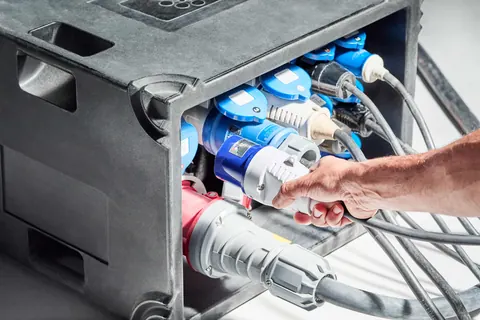
This is where many hirers get caught out. They compare day rates but ignore practical factors like drive-in access, blackout capability, usable rigging, parking, power, prep time and whether the space can handle a quick change in plan. Those details are not extras. They directly affect how many setups you can achieve and how much pressure lands on the crew.
The hidden costs behind cheap studio hire
A budget studio often looks acceptable on a screen and feels very different on a shoot day. Poor access is one of the first issues. If loading in means carrying cases up stairs, through narrow corridors or across shared spaces, your call time stretches before the first light is even built.
Then there is equipment. Some low-cost studios advertise kit included, but the inventory may be limited, dated or unsuitable for the shoot. Once you start hiring additional lighting, stands, grip or modifiers from elsewhere, the maths changes. The same goes for studios with no proper blackout, no reliable green screen studio setup or ceilings too low for clean lighting control.
Space is another common false economy. A room might be just big enough for a photographer and subject, but not big enough for a proper production. Add rails, props, background support, tethering, styling tables and a client area, and the shoot begins to choke itself. Small limitations create bigger delays than people expect.
Parking and scheduling matter too. Paid street parking, restricted access times and inflexible turnaround windows can quietly add cost. If you need to strike a set faster than is realistic, or cannot pre-light in advance, you are paying for inefficiency with labour and stress.
How to judge studio value properly
The best way to assess price is to treat the studio as part of your production system, not just a location line on the budget. Start with the brief. If you are shooting clean packshots for a few hours, a simpler setup may work. If you are handling fashion, automotive, branded content, motion, larger crews or a build-heavy day, the calculation changes.
Look at what the space allows you to do in one booking. Can you move between lighting looks efficiently? Is there enough room for art direction and client review? Can you shoot stills and motion in the same environment without compromising either? A studio that supports multiple outputs in one day often delivers better value than a cheaper space that forces separate bookings.
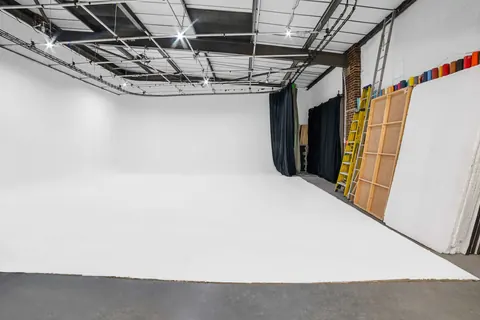
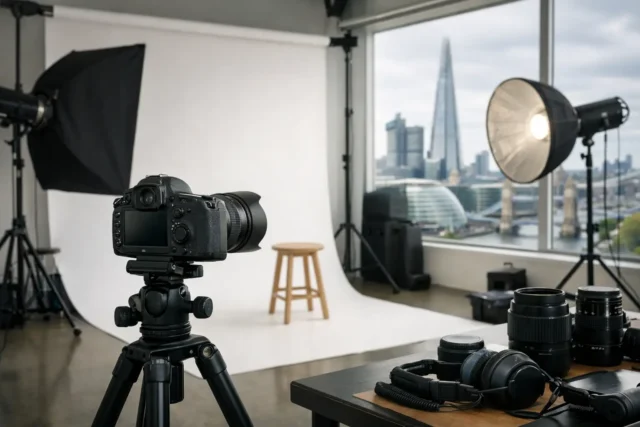
You should also assess how much external spend the studio removes. In-house lighting and grip, a proper infinity cove studio, blackout control, a usable green screen studio and production-friendly power all reduce add-on costs. So does reliable support from a team that understands what a shoot actually needs.
Photography cheapest studio hire in London: what to prioritise
If your priority is keeping budgets tight, focus on features that save time and protect output. High ceilings matter because they give you cleaner lighting options and more flexibility with modifiers, booms and overheads. Ground-floor access matters because loading is faster and safer. Free parking matters because crew vehicles, kit vans and client arrivals all add up.
Twenty-four hour access can be just as valuable as rate reduction. It gives teams room to pre-rig, prep and wrap without forcing everything into one compressed booking. That is particularly useful for agencies, production companies and photographers juggling multiple moving parts.
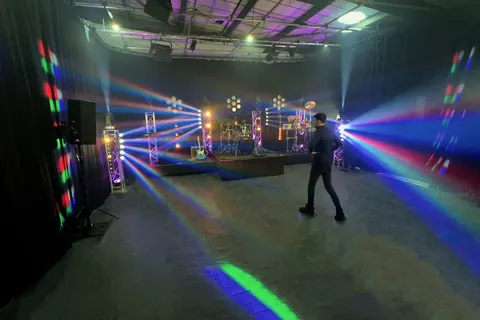
A proper lighting grid is another major advantage. In practical terms, it helps crews work faster and more safely. Instead of spending valuable time adapting to the room, they can focus on building the shot. When the studio is set up for production from the start, efficiency improves across the day.
These are the points many experienced teams now weigh more heavily than a headline discount. They know that budget control comes from workflow, not just booking price.
When the cheapest option is the wrong option
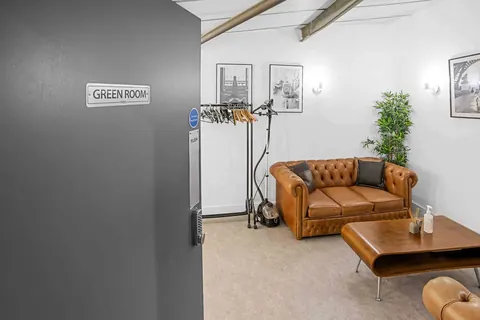
There are times when going as cheap as possible simply does not make commercial sense. If a client is attending, the studio also needs to function as a professional working environment. If the crew is sizeable, comfort and layout are not cosmetic concerns. They affect pace, focus and decision-making.
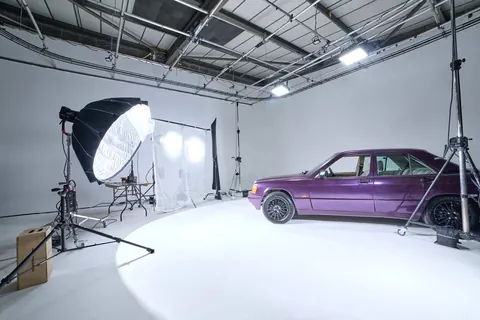
Likewise, if your shoot involves vehicles, larger props, set construction or quick transitions between scenes, a studio with restricted access or physical limitations can derail the brief. What looked affordable on paper turns into compromised creative, extra labour and reduced output.
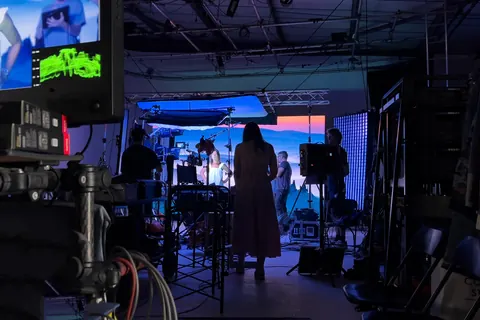
This is especially true for hybrid shoots where stills, video and social cutdowns are all being captured in one session. A space that can adapt across formats is often the stronger commercial choice, even if the day rate is not the absolute lowest on the page.
Why production-ready studios often cost less overall
A production-ready facility is not about paying for luxury. It is about paying for fewer obstacles. There is a big difference. The right space lets photographers and crews arrive, build quickly, shoot efficiently and leave with the work done properly.
That is why many teams now compare studios on total job cost rather than booking cost alone. A larger, better-equipped studio can often reduce outside hires, shorten setup time and help avoid expensive overruns. For busy commercial work, that is where the real saving sits.
In London, that balance is hard to find. Many spaces are either expensive because they are central, or affordable because they compromise on scale, access or functionality. A smarter option is a studio designed for serious production but priced to remain commercially workable. That is exactly why facilities like Cineview Studios appeal to photographers, agencies and crews who need room to work without paying inflated London rates for less capable spaces.
The smarter question to ask before you book
Instead of asking who offers the cheapest studio hire, ask what the studio helps you avoid paying for. Does it reduce external equipment rental? Does it cut loading time? Does it give enough space for cleaner setups and smoother crew movement? Can it support the brief without workarounds?
If the answer is yes, a slightly higher booking fee can still be the cheaper decision. That is not sales language. It is production maths.
The best studio hire decisions are rarely based on rate alone. They are based on whether the space protects time, output and budget at the same time. For photographers and production teams working in London, that is usually where the best value lives.
Before you book your next space, price the whole day, not just the room. The cheapest hire on paper is only worth taking if it stays cheap once the cameras are rolling.