
Composition / Learn by doing
Visual Balance explained simply
What is “Visual Balance”?
How the apparent weight of colours, shapes, brightness and subjects is distributed in the frame.
- 01Visual weight
- 02Space between
- 03Counterweight
How do you use Visual Balance practically?
A small exercise
Place one large dark object on one side and a smaller bright object on the other. Try different distances between them.
- Make a starting version and keep it so you can compare fairly.
- Try the change in the exercise. Keep unrelated choices steady where the exercise allows.
- Compare the result at the size your viewer will actually see. Write down what changed and whether it helped.
How does Visual Balance solve a problem?
It stops one corner feeling accidentally overloaded while the rest of the image feels unused.
What can go wrong?
Balance does not require equal objects or perfect symmetry. Brightness and contrast can carry weight too.
How do you turn the idea into a useful solution?
Start with the specific problem in your image or brief, try the exercise, and keep the version that meets that need. If the result is worse, return to the starting version and change one choice at a time.
Quick check: can you explain the three ideas in the diagram?
Visual weight → Space between → Counterweight. Explain how each relates to the exercise. Then compare the starting version with your result and choose the one that meets your brief.
Related video lesson
Composition examples — B&H
This related lesson gives wider context for the topic. Camera menus and software versions may differ from yours.
Loading the player connects to YouTube. You can also watch the lesson on YouTube.Keep exploring
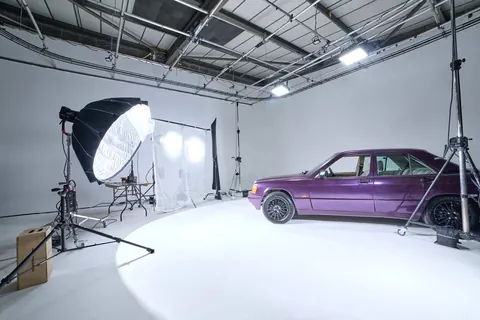
Try the idea in a studio shoot
Planning a portrait or product session? Use the glossary with our practical shoot guides, then check the studio facilities and send your confirmed requirements with an availability enquiry.