
Best Facilities for Video Interviews in London
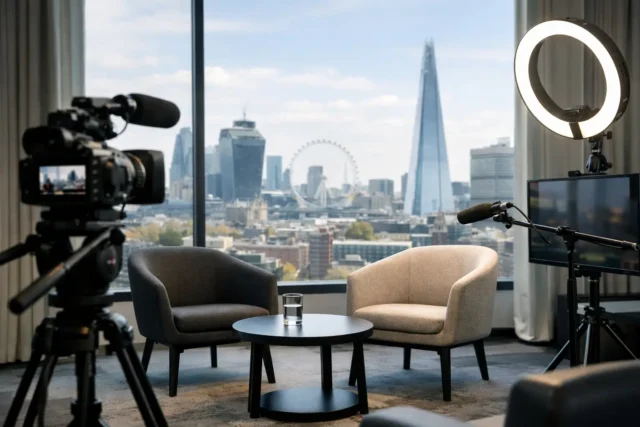
A senior spokesperson has one hour between meetings. The crew needs a clean frame, controlled sound, a reliable lighting setup and enough room for a producer, client and make-up artist to work without stepping into shot. That is the real test when choosing the best facilities for video interviews – not whether a room looks good in a hire listing, but whether it keeps the production moving when the schedule is tight.
For brand films, case studies, press interviews, corporate communications and editorial content, the location affects more than the background. It affects audio quality, setup time, client confidence and the number of usable takes you get before your contributor has to leave. A well-specified studio gives the crew control. A poorly equipped room creates compromises that are costly to fix in post-production.
What the best facilities for video interviews need
The right facility depends on the format. A close, documentary-style interview has different requirements from a two-camera executive piece or a panel discussion. Even so, the strongest interview spaces share a few non-negotiable production advantages: acoustic control, room to light properly, dependable power, practical access and a setting that makes contributors feel at ease.
Sound control comes before a stylish backdrop
Viewers will tolerate a simple background far more readily than poor audio. Before booking, establish what sits around and above the filming area. Road traffic, neighbouring workshops, rain on a roof, air conditioning, lifts and other productions can all interrupt an interview at the wrong moment.
A blackout-capable studio helps because it allows the crew to close out visual distractions and create a consistent look. It is not, by itself, proof of acoustic isolation. Ask how sound is managed on site, whether noisy equipment can be switched off during takes, and whether there are other bookings likely to affect the recording. A quiet studio with a clean signal path for boom and radio microphones saves time on every answer.
For high-stakes interviews, plan a short sound check before the contributor arrives. Listen through headphones from the exact seating position, not from the control area. A room can appear quiet while still carrying a low hum, a reflective echo or intermittent external noise.
Ceiling height and lighting control shape the image
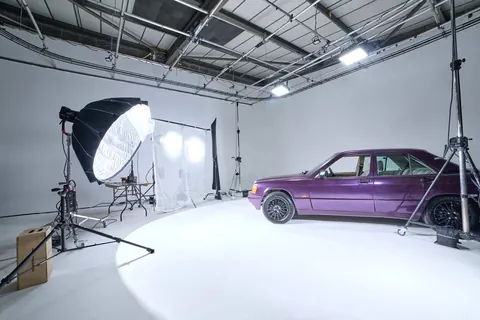
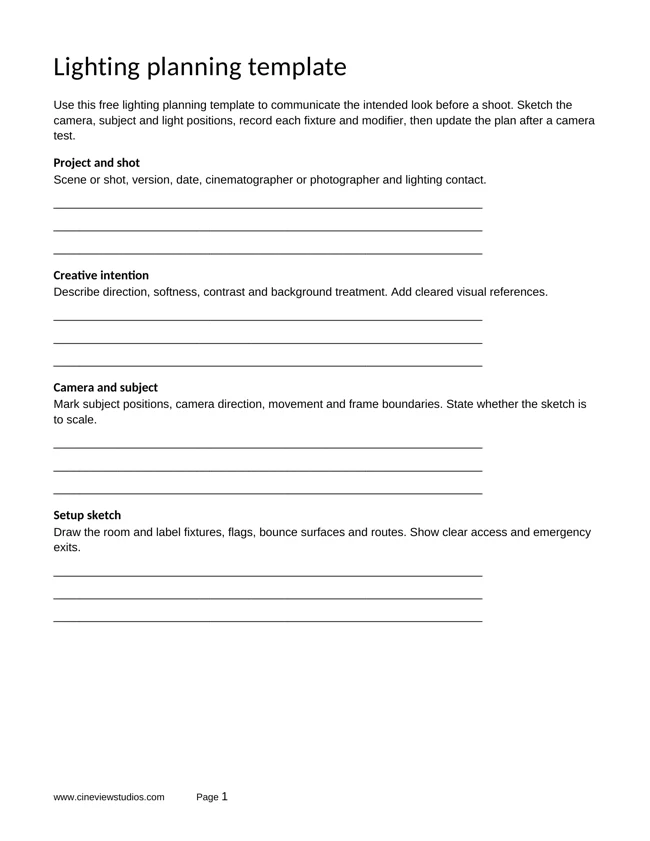
Interview lighting is often described as simple, but a polished result needs more than a key light pointed at a chair. The crew may need space for a key, fill, backlight, background separation, flags, diffusion and a practical in frame. Low ceilings make it harder to keep fixtures out of the eyeline and can force harsh light angles.
Look for a studio with proper ceiling height and a lighting grid. Overhead rigging keeps the floor clear, gives the gaffer better positioning options and reduces the risk of stands crowding the contributor. It also makes a difference when filming more than one person, where matching exposure and separation across the frame become more demanding.
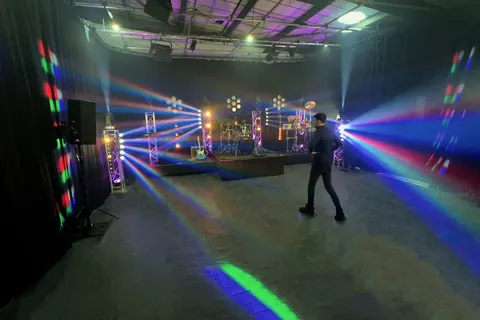
Blackout is equally valuable. Daylight can be attractive for a soft, editorial look, but it changes throughout the day and can make pick-ups difficult. Full blackout gives the team repeatability. If the first interview runs late, the lighting still matches when you return for a final question in the afternoon.
Enough depth makes a modest set look considered
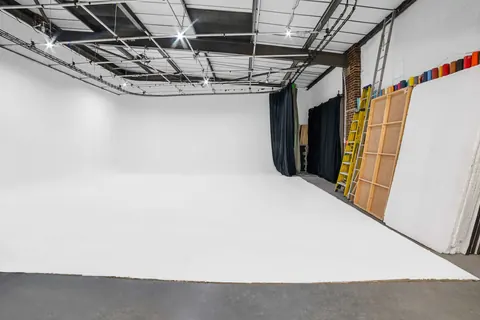
Cramped rooms are one of the most common false economies in London studio hire. They can work for a quick single-camera message, but they limit lens choice, lighting placement and the distance between subject and background. The result is often a flatter, less premium image.
A larger production floor gives the director options. You can place the contributor well away from the background, use longer focal lengths for a more natural portrait, create negative fill, or build a branded set without compromising the camera position. It also allows a second camera to operate without blocking the first.
For a simple talking-head shoot, not every project needs a vast stage. What matters is functional depth and clear working space around the set. For roundtables, two-person interviews or a recurring content series with multiple looks, scale becomes much more important.
Choose a background that serves the message
A blank wall is not automatically the best choice. The background should support the organisation, subject and intended distribution without competing for attention. A neutral infinity cove suits clean corporate communications, campaign cut-downs and content that may need different crops for social channels. It provides a controlled, polished base that can be lit from white to grey, colour-washed or kept minimal.
A built set can add warmth and context, particularly for leadership interviews, branded series or recruitment content. The key is to avoid treating set dressing as an afterthought. Allow room for furniture, practical lamps, artwork and plants, then test them through the chosen lens. What feels balanced to the eye can look cluttered on camera.
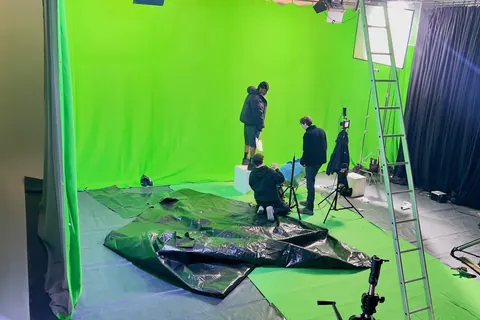
Green screen is useful when the final environment will be created in post-production, or when a campaign needs multiple locations from one shoot day. It brings its own discipline: sufficient separation from the screen, even lighting, careful wardrobe choices and time for clean keying. If the interview does not genuinely require compositing, a physical set or cove will usually be faster and more natural.
Access, equipment and crew workflow matter
The most impressive room is still a poor choice if the load-in is difficult. Video interviews often involve less equipment than a commercial, but cases, cameras, lighting, sound kit, teleprompters, furniture and refreshments add up quickly. Ground-floor access, shutter loading and nearby parking reduce the friction before the first frame is recorded.
This matters even more when the production includes set build, larger lighting packages or multiple interview stations. Crews should not be carrying equipment up narrow stairs, waiting for a small lift or paying separately for every vehicle. Free parking and direct access are practical budget advantages, not optional extras.
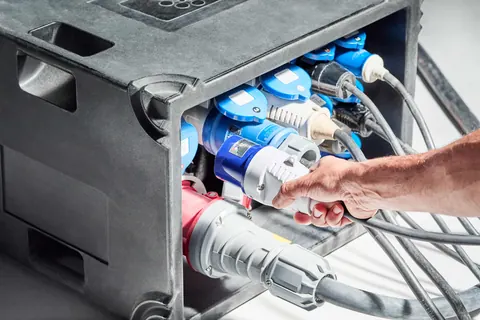
Check the in-house inventory before arranging a separate dry hire. A facility with professional lighting, grip and basic production equipment can reduce transport costs and provide a useful contingency if a fixture fails. The point is not to hire equipment unnecessarily. It is to work in a space where the essentials are available and the team can respond quickly to a creative change.
A pre-light or pre-rig option is particularly valuable for executive interviews. The crew can build and test the set before the contributor arrives, then use the booked interview window for the interview itself rather than a lengthy technical setup. Where diaries are difficult to coordinate, that is often the difference between a calm session and a rushed one.
Do not overlook the contributor experience
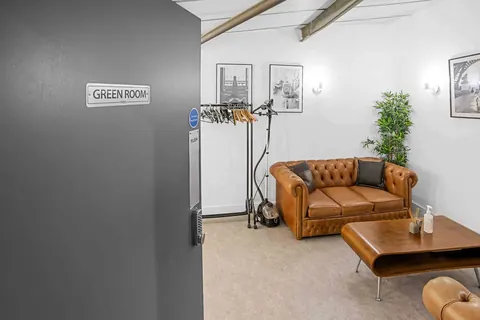
Interview facilities need to work for people who are not used to being on camera. A nervous customer, busy chief executive or first-time case-study participant will perform better when they have a comfortable waiting area, a private place for make-up or wardrobe, clean facilities and a crew that appears organised.
Temperature is worth checking too. Hot lights, closed blackout and a full room can quickly make a studio uncomfortable. Build in breaks, provide water and keep the route from arrival to set straightforward. These small operational details help contributors settle before recording begins.
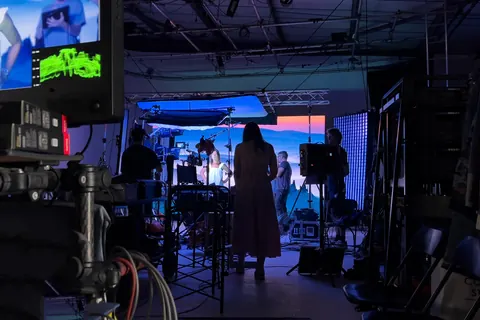
Client-facing productions also benefit from space away from the camera. Producers and agency teams need somewhere to review takes, prepare questions and speak privately without disrupting sound. A functional studio separates these activities while keeping everyone close enough to make decisions quickly.
A practical booking checklist
Before confirming a studio, assess the space against the production rather than its photographs. Ask these questions:
- Can the studio control daylight and reduce unwanted noise during recording?
- Is there enough ceiling height, floor depth and clear space for the intended camera and lighting plan?
- Does access support your load-in, parking requirements and any set build?
- Are lighting, grip, power and pre-rig support available when the schedule demands them?
- Will the contributor and client have a professional, comfortable experience on site?
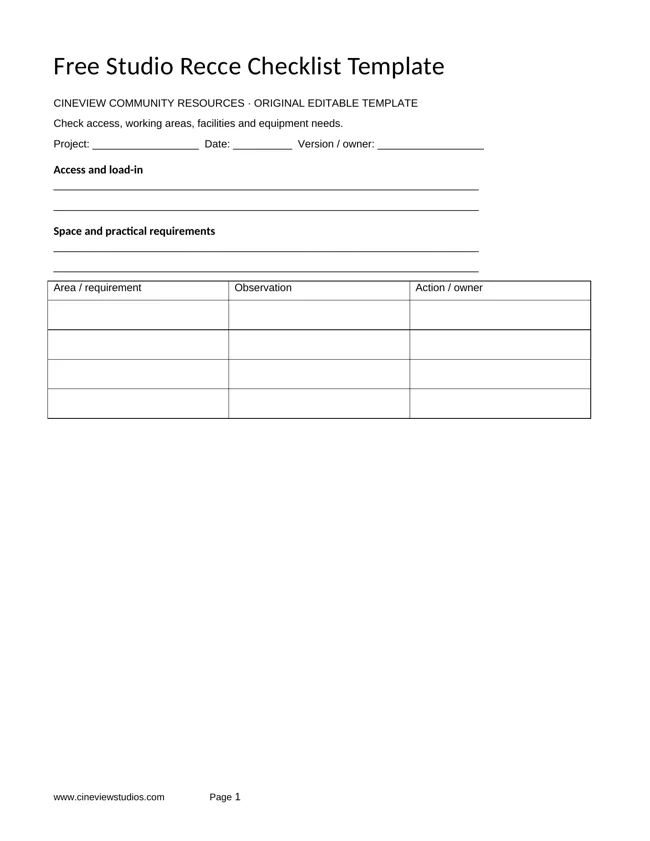
If any answer is uncertain, arrange a recce. A ten-minute walk through with the director of photography or producer can expose issues that a floor plan cannot: reflective surfaces, awkward cable runs, outside noise, restricted camera angles or a loading route that adds an hour to the day.
When a full production studio is the smarter option
Meeting rooms and co-working spaces can suit quick internal updates where visual control is not a priority. They are less effective when the interview is intended for a campaign, broadcast delivery, paid media or a long-running branded series. Their ceiling heights, lighting, sound and access are usually designed for office use, not a crew working around a set.
A dedicated production facility offers more headroom for the work to evolve. At Cineview Studios, for example, the combination of a large blackout-capable floor, infinity cove, green screen options, high lighting grid, drive-in access and 24/7 availability supports both a straightforward two-camera interview and a larger branded build. That flexibility avoids booking a bigger space than necessary while leaving room to raise production value when the brief changes.
The best booking decision is rarely about finding the cheapest room or the most elaborate set. It is about choosing a facility that removes avoidable obstacles, protects the contributor’s time and gives the crew proper control over picture and sound. When the space does that, the interview can feel relaxed on camera – which is exactly what the audience should see.