
How to Choose the Right Photography Studio for Your Shoot
Choosing the right photography studio helps you create better images and manage your shoot with ease. The right space gives you control over lighting, backgrounds and equipment. It also provides room for your team to work comfortably. Whether you are a photographer, brand or creative agency, your studio should match your project and creative goals.
When comparing photography studio hire London options, think about more than the look of the space. Consider your shooting style, equipment needs, crew size and schedule. A product shoot may need a clean background and controlled light. A fashion campaign may need more space for models, styling and lighting. Choosing the right studio from the start can save time and help your team work more efficiently.
Define Your Photography Requirements
Before you book a studio, decide what you want to create. A clear brief will help you find a space that suits your work. Think about the type of photography, the number of subjects and the backgrounds you need. Also consider whether you will use props, special lighting or large products during the shoot.
Your crew size matters too. Photographers, assistants, models, stylists and clients all need enough room to move around. If you plan to photograph large products or build a set, allow extra space for equipment and props. These details will help you choose a professional photography studio that meets your needs and supports your creative plans.
Check the Available Space and Ceiling Height
Studio size affects camera positions, lighting setups and crew movement. A space may look large in photographs but feel crowded once you bring in equipment and props. Before booking, check the shooting area’s dimensions. Make sure there is enough room for your camera, lights, subjects and team.
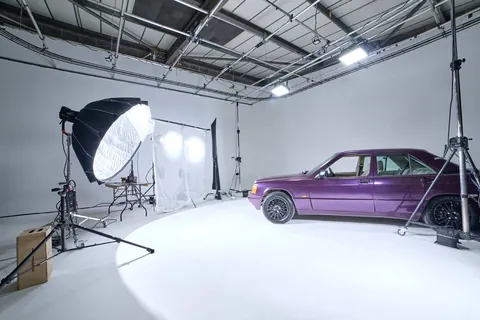
Ceiling height is just as important. A high ceiling gives you more freedom to position lights above your subject. It also helps with full-length fashion shots, large products and creative set designs. Cineview Studios in Greenwich offers a 2,000 sq ft studio with a ceiling height of 5.8 metres. This space can support a range of photography and film setups.
Ask whether the listed dimensions refer to the full studio or the main shooting area. You should also check where the support rooms and fixed equipment are located. A clear floor plan will help you plan your camera positions and lighting before the shoot begins.
Evaluate the Lighting Options
Lighting plays a major role in the final look of your photographs. It affects colour, shadows, texture and contrast. Natural light can work well for portraits and lifestyle images. Controlled studio lighting is often better for product photography and commercial campaigns that need consistent results.
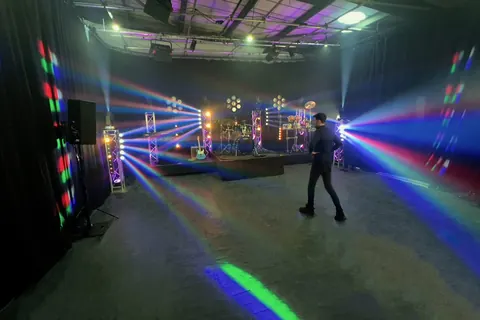
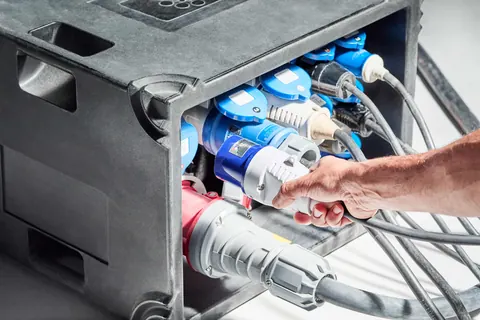
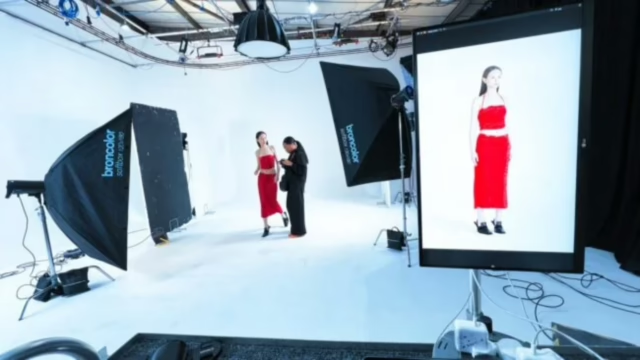
Check whether the studio supports flash lighting, continuous lighting or both. Ask about light stands, softboxes, reflectors and other useful equipment. You should also check the power supply if your setup uses several lights. An overhead lighting grid can help you place lights above the shooting area and keep the floor clear.
Cineview Studios offers lighting and grip equipment for photography and film production. Before booking, discuss your lighting plan with the studio team. Ask which items are available and whether they are included in the hire price. This will help you prepare your equipment list and avoid delays on the day.
Choose the Right Background for Your Shoot
The background helps set the style and mood of your photographs. A suitable studio can offer several options for different creative needs. A clean background works well for product images, while a darker setup can create a more dramatic look. Choosing the right background before booking can also reduce the need to move to another location.
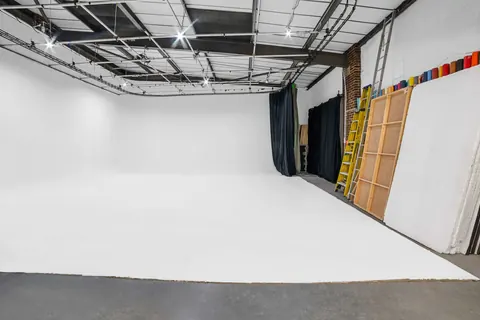
An infinity cove creates a smooth background without a visible corner between the wall and floor. It is useful for fashion, portraits, product images and commercial campaigns. A blackout area gives you greater control over light. This can help when you want dark backgrounds, strong shadows or a focused look on your subject.
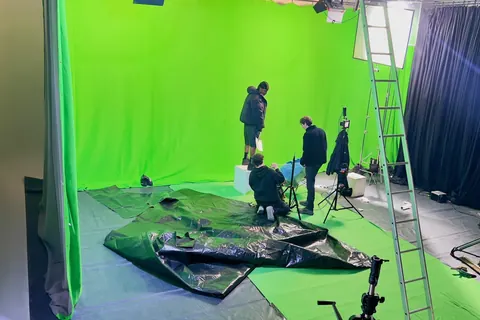
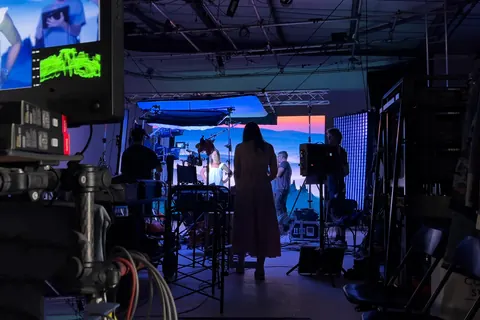
Green screen facilities are useful when you plan to replace the background during editing. Good lighting and careful camera placement help create a clean result. Virtual production offers another option by using an LED wall to display digital scenes during filming. Cineview Studios offers an infinity cove, blackout space, green screen and virtual production facilities. These options give creative teams more ways to plan their shoots.
Review Equipment and Technical Facilities
The right equipment can make your shoot easier to manage. It can also reduce the amount of gear you need to bring with you. Before booking, check the available lights, grip equipment, power connections and rigging options. Make a list of what you already have and what you still need.
Ask the studio team to confirm the equipment you plan to use. Do not assume that every item shown in a studio photograph is included in the booking. You should also discuss power needs and any plans to suspend lights from an overhead grid. Special equipment may need extra preparation before the shoot.
Access is another important factor. Ground-floor loading can make it easier to move heavy cases, furniture and large props. Cineview Studios offers drive-in access for suitable vehicles and production equipment. When arranging a photo studio rental London booking, share your equipment list and loading needs in advance. This will help the team prepare for your arrival.
Check Crew Facilities and Accessibility
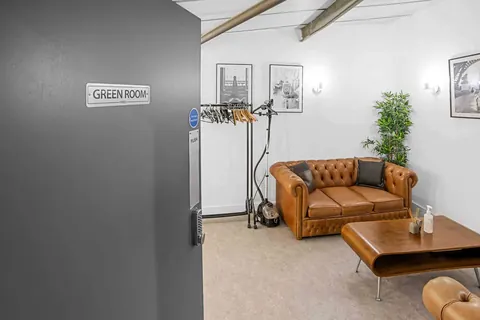
A good studio should support the people behind the camera as well as the shoot itself. Your team may need space to change clothes, prepare make-up, store personal items and take breaks. Look for changing rooms, make-up stations, a green room and a kitchen. These facilities can make a long production day more comfortable.
Changing areas are especially useful for fashion and beauty shoots. Models can prepare for the next look while the crew adjusts the lighting. This keeps the main shooting area organised and helps the team stay on schedule. A separate space for clients can also make reviews and discussions easier.
Location and access matter too. Check parking, public transport and the route for loading equipment. If you plan to bring large props, ask about the entrance size and any vehicle limits. Cineview Studios is based in Greenwich, London, and offers ground-floor access, parking and facilities for production crews. Contact the team to confirm the arrangements for your booking.
Compare Studio Hire Packages and Costs
The lowest hire price does not always offer the best value. You should compare the full cost of your shoot, including the space, equipment and any extra services. Some studios provide space only, while others offer equipment packages or production support. Understanding these options will help you choose a suitable package.
Dry hire generally means you rent the studio space and bring your own equipment. Wet hire usually includes an agreed equipment package or extra support. The exact services can vary, so ask the studio to explain what your quote covers. Check the hire hours, equipment charges, background preparation and any extra fees.
Remember to allow enough time for setup and pack-down. Your team may need to arrange products, test lights and prepare the set before shooting begins. Cineview Studios offers half-day, full-day and longer bookings, with dry and wet hire options. Share your brief and preferred hours to receive a quote that matches your needs.
Visit the Studio Before Booking
A studio visit can help you understand how the space will work for your shoot. Photos and floor plans are useful, but they may not show every detail you need. During a visit, check the shooting area, ceiling height, background condition and loading access. Think about where the camera, lights, props and crew will go.
Take your shot list or reference images with you. Explain your plans and ask whether the space can support your setup. If you need a large set, special rigging or a vehicle area, discuss these details before confirming your booking. You should also ask about sound conditions if you plan to record interviews or dialogue.
A visit gives you time to discuss practical details with the studio team. You can confirm the equipment, preparation time and facilities available for your shoot. This helps you spot possible problems early and gives your crew a clear plan before production starts.
Prepare for Your Studio Booking
Once you have shortlisted suitable studios, compare them against your project needs. Check the shooting space, ceiling height, lighting options and available backgrounds. Make sure the equipment suits your setup and that the crew has access to the facilities they need.
Before you confirm the booking, review the quote and agreed services. Check the date, working hours, equipment list and any extra preparation costs. Allow enough time for loading, setup, shooting and pack-down. Share any special requirements with the studio team before the shoot day.
Clear planning helps everyone understand their role and schedule. It also reduces the risk of delays caused by missing equipment or access issues. With the right preparation, your team can spend more time creating strong images and less time solving avoidable problems.
Conclusion
Choosing the right photography studio starts with understanding your creative needs. Space, lighting, backgrounds and equipment all play an important role in your shoot. By checking these features before booking, you can find a studio that suits your project and helps your team work efficiently.
If you need photography studio hire London, Cineview Studios offers a versatile production space in Greenwich. The studio features an infinity cove, blackout area, green screen and virtual production facilities.
Contact us at Cineview Studios to discuss your requirements and request a quote for your next shoot.
Frequently Asked Questions
1. What should I look for when hiring a photography studio?
Look for enough shooting space, a suitable ceiling height, good lighting options and backgrounds that match your project. Check the equipment, crew facilities, access and total hire cost too. These details will help you choose a studio that meets your needs and keeps the shoot organised.
2. How much space do I need for a photography shoot?
The space you need depends on your subject, equipment and crew size. Product photography may need less room than fashion campaigns or shoots with large props. Check the usable shooting area and allow space for lights, cameras and people to move safely.
3. Why is lighting important when choosing a photography studio?
Lighting affects colour, shadows, texture and the overall look of your images. A studio with suitable lights and modifiers gives you more control over the result. It also helps you create consistent images across a product range or commercial campaign.
4. What is an infinity cove in a photography studio?
An infinity cove is a curved background that hides the corner between the wall and floor. It creates a smooth, seamless look that works well for fashion, portraits and product photography. It can also help keep attention on the subject rather than the background.
5. Can I bring my own photography equipment?
Many studios allow photographers to bring their own equipment, but you should confirm the rules before booking. Check the power supply, rigging options and any setup limits. You should also ask whether the studio has equipment available for hire if you need extra items.