


CINEVIEW JOURNAL
Could Dust, Fingerprints and Scuffs Spoil Your Studio Product Images?
11/11/2026
By Dipesh, Cineview Studios.
A bottle looks spotless when you unpack it, but the first close-up shows fingerprints around the cap. A black box has pale dust on its lid. A small scratch crosses the label in every frame. These details can turn a straightforward product shoot into a long editing job.
When planning photo studio hire at Cineview Studios in Greenwich, give sample condition its own check. A short inspection before the main shots can be easier than repairing the same mark across a full set of photographs or a moving video.
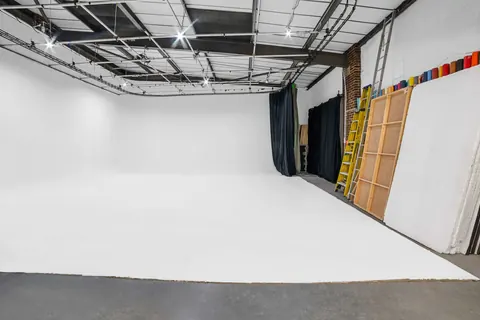
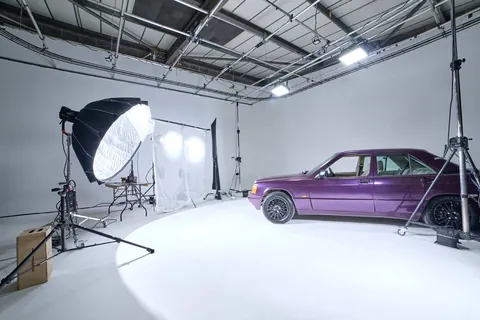
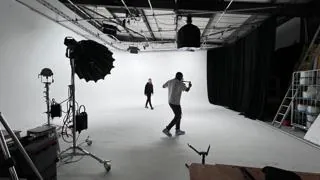
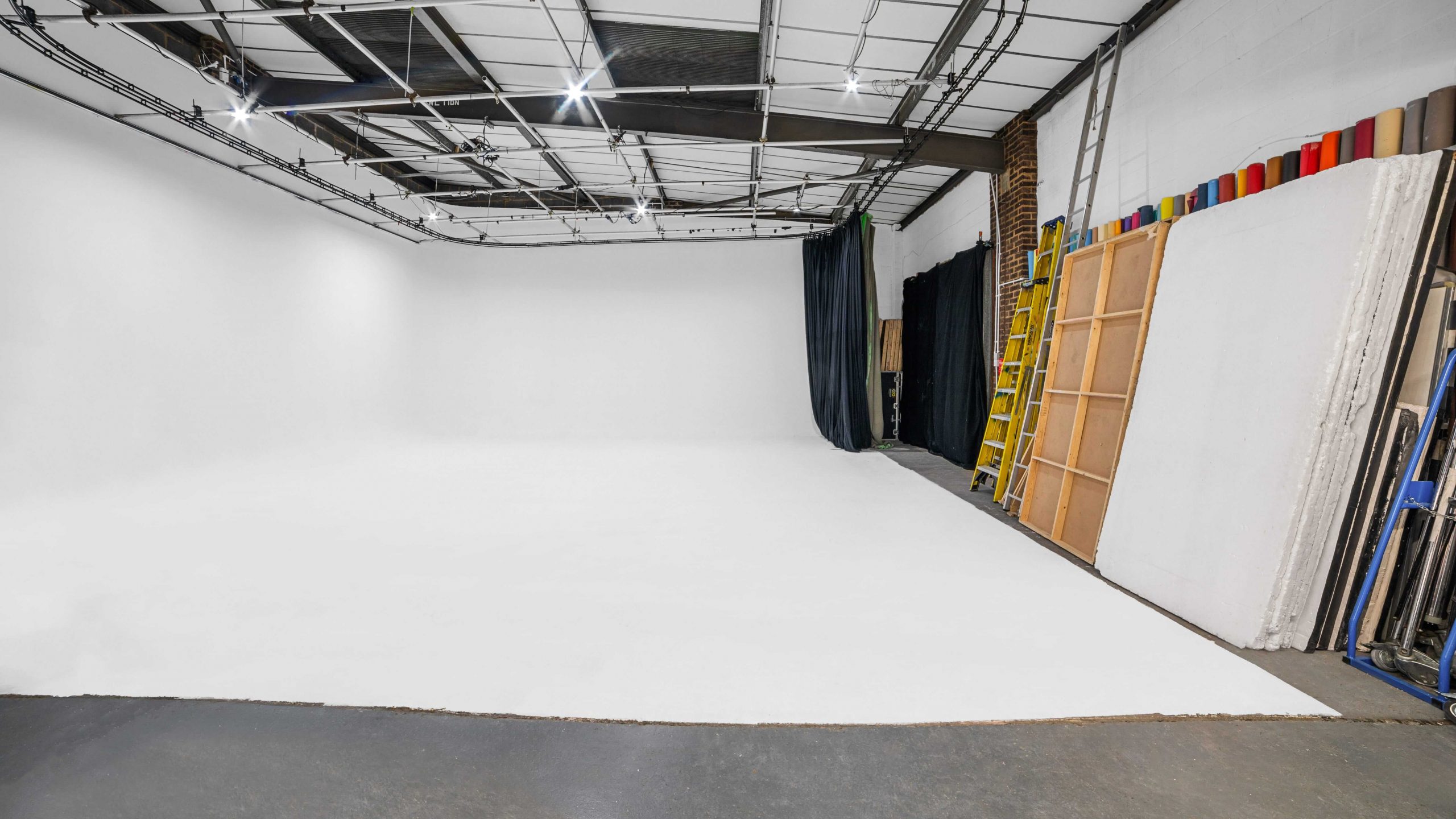
Cover photograph: the real white cove at Cineview Studios. Equipment, preparation and crew are included only where agreed in your booking.
Why do marks appear only when the studio lights go on?
A product that looks clean in its packaging can look different under the lighting chosen for the photograph. Close framing and a larger preview make small surface details easier to notice. A test shot is therefore more useful than a quick glance at the sample.
Photograph the actual product from the planned angle. Enlarge the recorded image and check the cap, label, edges, seams and base. Look for loose dust, handling marks and damage separately. A removable fingerprint needs a different decision from a scratch in the finish.
For photography studio hire, include this inspection in setup time. Check the most demanding close-up early, then keep an approved reference image for the rest of the session. Repeat the check when you introduce a different material or finish.
Could cleaning the sample damage the finish?
Do not assume that one cleaner or cloth suits every product. Coated glass, printed packaging, polished metal and delicate materials can need different handling. Ask the product owner for the approved cleaning method and bring suitable materials before the shoot.
Avoid improvised sprays, solvents or abrasive polishing. Do not remove labels, protective layers or seals without approval. If you cannot safely remove a mark, choose another sample or agree a limited retouching plan with the client. A damaged sample is rarely a useful shortcut.
Inspect replacement samples too. Check that their colour, label and finish match the approved product. Keep the best sample protected until its close-ups are ready, rather than passing it around while the lighting is being built.
Will fingerprints return between every take?
A clean sample can pick up new marks as soon as someone turns it, opens it or moves it back into position. Agree who handles the product and where they can hold it without touching the visible surface. Use gloves only where they suit the item and the owner’s handling guidance.
Give samples a clean, protected place to wait. Separate items ready for camera from items that still need checking. Avoid putting a freshly prepared product straight back onto dusty packaging or a marked table.
Before each close-up, have one person check the visible surfaces and confirm that the product is ready. After a hand-model take or a change of angle, inspect again. This small pause is particularly useful for glossy caps, dark packaging and glass.
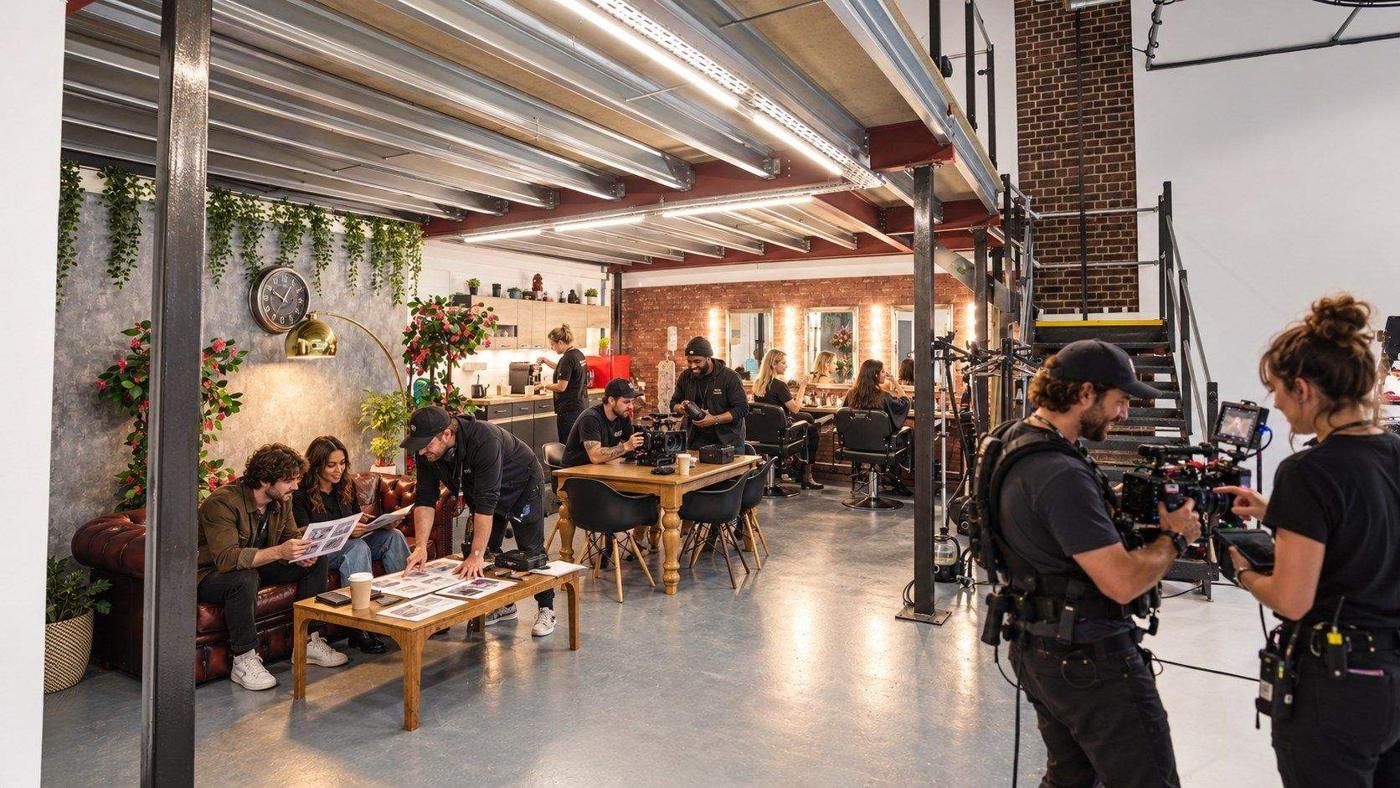
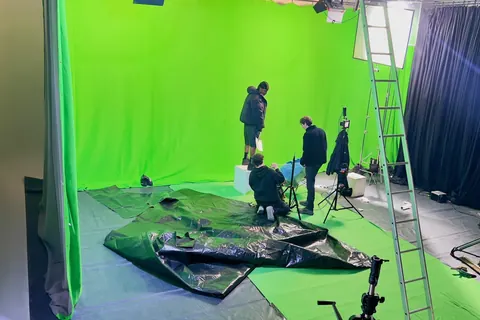
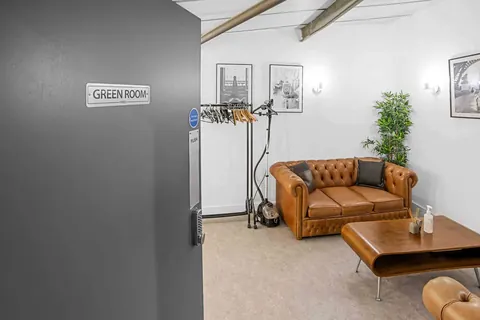
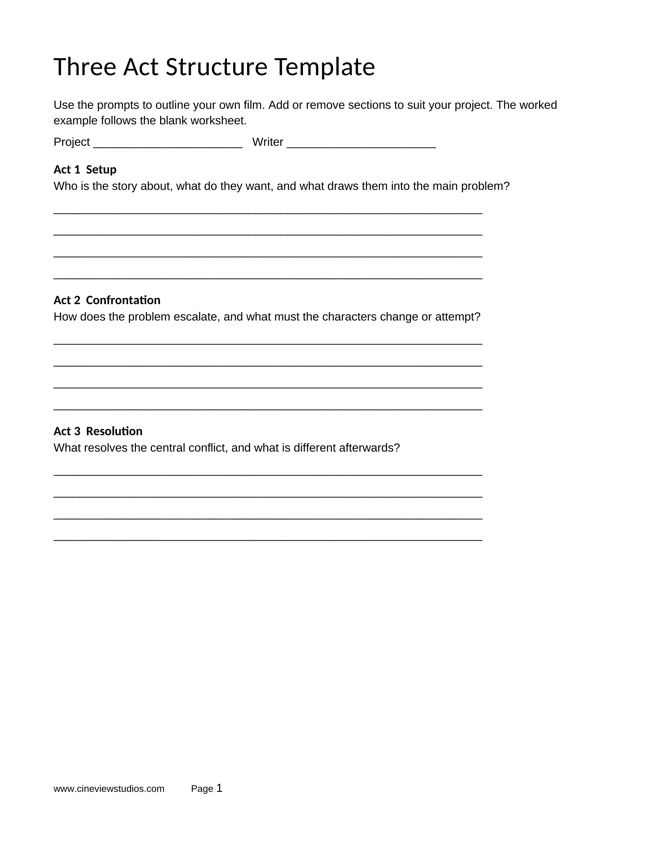
Use the preparation stage to assign sample handling and image checks. This illustration shows planning activity, not a product-cleaning demonstration.
Can a marked shooting surface spoil an otherwise clean product?
Check the area around the product as well as the product itself. Dust on a tabletop, a scuffed display block or a mark near the base can remain visible throughout a series. Review the complete frame before repeating the setup.
An infinity cove provides a continuous background, but the finish still needs to suit your shot. For an infinity cove studio booking, explain whether the floor will be visible in a wide product scene. Discuss the required finish, any fresh painting and preparation costs in advance.
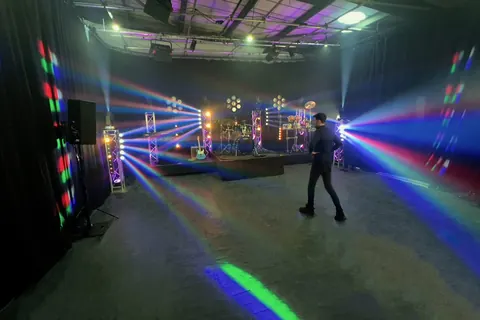
A blackout studio does not hide every surface mark. Check dark props and product bases under the final lighting. For blackout studio hire, agree any tabletop surfaces and background materials you need. Cove and blackout are alternative configurations of Cineview’s studio, so include any changeover in your plan.
Follow the studio’s instructions for floor protection and moving props. Do not drag products across the cove or apply cleaners to studio surfaces without agreement.
Could video reveal marks that the still photograph missed?
A clean front view does not tell you what happens when the product turns. A fingerprint on the back of a bottle may pass through the light halfway through a clip. A hand demonstration may leave a fresh mark before the final close-up.
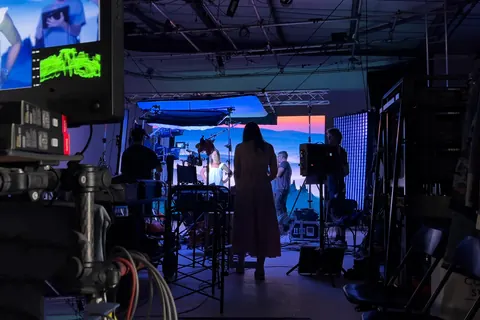
For film studio hire, rehearse the whole action and inspect the recorded clip. Watch every visible side of the product, including the underside if it is lifted. Check again after a reset rather than relying on the first take.
Include rotations, opening actions and hand contact in your film studio hire London brief. Allow time to prepare the sample between takes. Removing a mark from moving footage can need a different amount of editing work from cleaning one still image.
Should every mark be removed in retouching?
Agree what the finished image should show. Loose dust and accidental fingerprints may be unwanted, but a handmade texture, natural grain or genuine feature may belong in the image. Do not leave the editor to guess which details matter.
Keep the original files and give clear notes for any approved retouching. Do not change product shape, label wording or surface features without the client’s agreement. If the image describes a particular used item, its real condition should remain clear.
Review one finished sample before applying the same editing approach to the whole range. Check that the result still looks like the actual product. Some avoidable marks are best dealt with on set, while others need a careful decision rather than more cleaning.
Could rushed sample preparation waste paid studio hours?
When comparing photography studio hire London options, count sample inspection, lighting tests, shooting, review and pack-down in your schedule. Cheap studio hire is only useful if you leave with the images you need, without a larger unplanned editing bill.
Searches for “photo studio near me” and “photography studio near me” can start your shortlist. Before you hire photo studio space, also ask where samples can be prepared and how much working room your setup needs. Cineview’s photography page recommends agreeing product preparation space and surfaces before arrival.
Review the equipment catalogue for your lighting and image-review needs, then confirm availability, compatibility and costs. Do not assume a monitor, tethering setup, stylist or cleaning materials are included.
For your studio hire London budget, use the studio quote guide and request a written total for the agreed hours, configuration, equipment and support. Full payment is required to secure the booking.
The solution: check, protect and recheck each product before moving on
- Inspect the actual samples before the shoot and keep a suitable spare where possible.
- Use only cleaning and handling methods approved for the product.
- Check a recorded close-up under the final lighting.
- Protect prepared samples and assign one person to handle them.
- Recheck after every turn, touch or reset, including the full video action.
- Agree what should remain visible and what may be retouched before dismantling the set.
Send Cineview your product brief and preferred date. Include the materials, sample count, required angles and any hand demonstrations so preparation and review time can be included in your studio booking.