

CINEVIEW JOURNAL
How to Choose the Right Film Studio for Your Production
13/11/2026
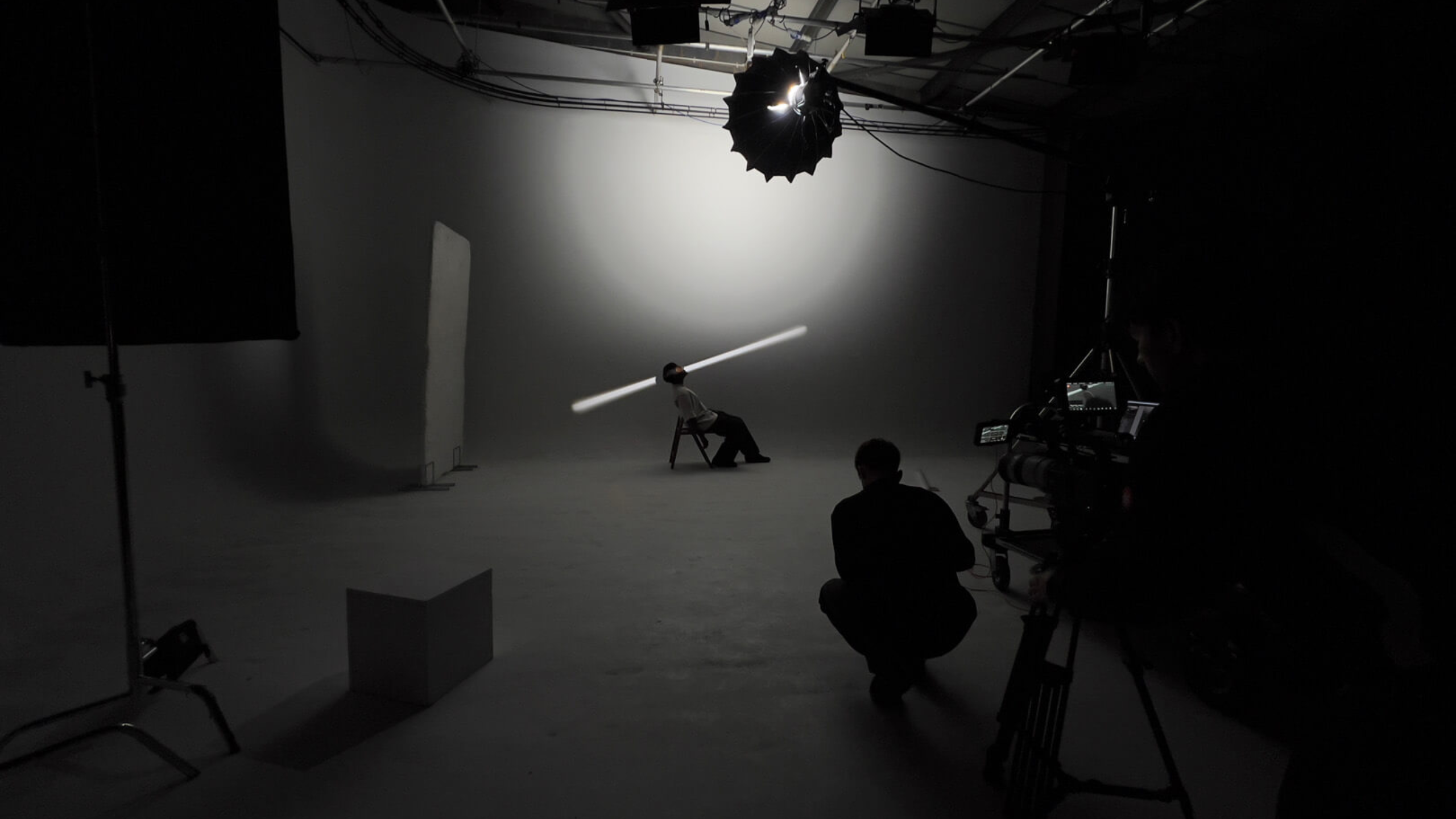
Choosing the right film studio is an important step in any production. The space affects your lighting, sound, camera setup and filming schedule. A suitable studio also gives your crew enough room to work and helps keep the shoot on track. Therefore, it is worth checking your needs before making a booking.
Different projects need different studio features. For example, a commercial shoot may need bright lights and clean backgrounds, while a film scene may need quiet space and room for large sets. If you are looking for film studio hire London, compare the space, sound, lighting and equipment before making your choice. These checks can help you find a studio that suits your project.
1. Set Your Production Goals
Start by making a clear list of your filming needs. Think about the type of content you plan to create, such as a short film, TV advert, interview or product video. Each project may need different facilities, so your creative brief should guide your choice. Also, consider the number of scenes you plan to film and whether you need different backgrounds.
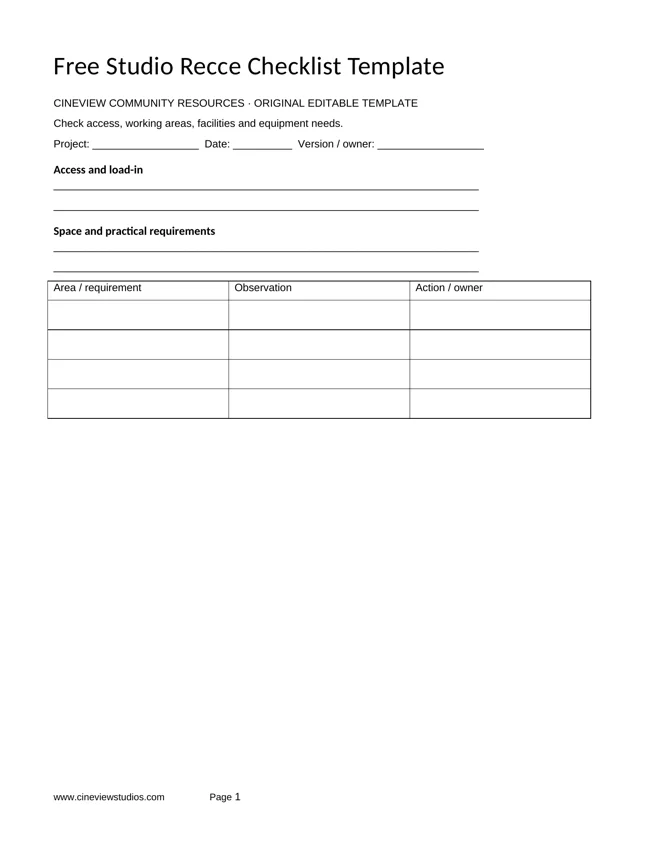
Next, look at the size of your crew and the equipment you will bring. You may need space for cameras, lights, props and set pieces, as well as room for makeup and costume changes. If clients will attend the shoot, consider where they can sit and review the footage. A clear checklist will help you compare studios and avoid paying for features you do not need.
2. Check the Size of the Studio
Studio size can affect how smoothly your shoot runs. A space may look large in photos, but cameras, lights, props and crew members can soon fill it up. Check the usable floor area before booking and make sure there is enough room for your set, camera positions and lighting stands. Your team should also be able to move around safely during filming.
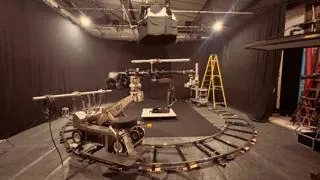
Ceiling height matters just as much as floor space. High ceilings give you more room to place lights above the set and can support wider shots or larger set designs. You should also check how easily equipment can enter the building. Drive-in access can make loading and unloading easier when your production involves large props, heavy gear or vehicles. When comparing a film production studio, make sure the space can support the shots you plan to film.
3. Check Sound Quality and Noise Levels
Clear sound is vital for films, interviews and videos that include dialogue. Poor sound can lead to extra editing work and may force your team to record some scenes again. Before booking, ask about noise in and around the studio. Traffic, nearby work and building equipment can affect recordings, so visit the space if possible and listen for unwanted noise.
You should also consider echoes inside the studio. Large rooms with hard walls and floors can cause sound to bounce around, which may make speech harder to hear. Your sound team may need extra equipment to reduce these effects. Keep in mind that blackout facilities control light, but they do not always block outside noise. If your production depends on clear dialogue, plan a sound test before filming starts so your team can spot and fix problems early.
4. Look at the Lighting Options
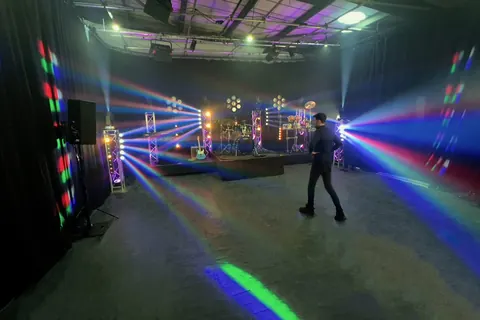
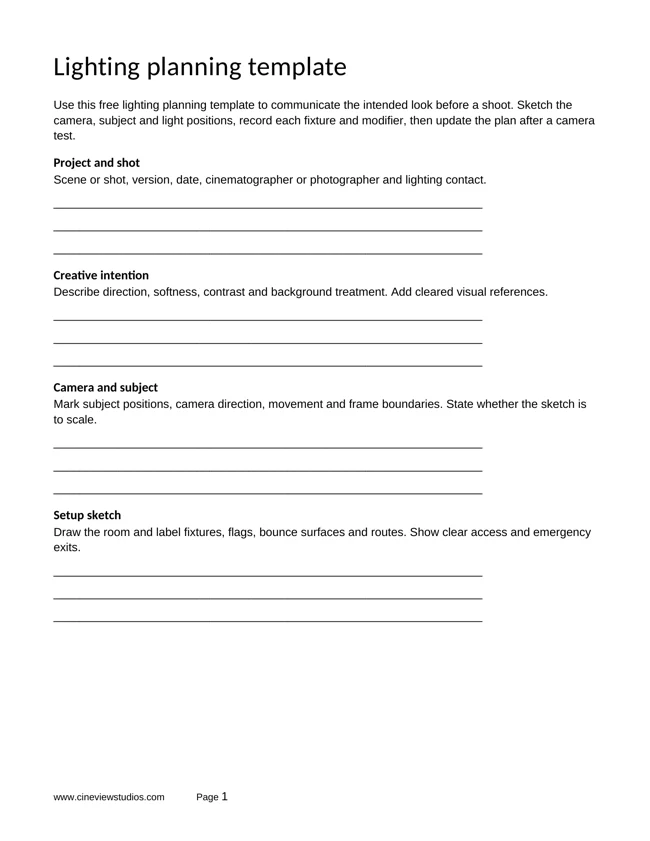
Good lighting helps you create the right look for your film and keeps shots clear and consistent. Start by checking whether the studio has a blackout area. This feature can block daylight and give you more control over the light in each scene. It is especially useful when you need the same lighting across several shots or want to create a specific mood.
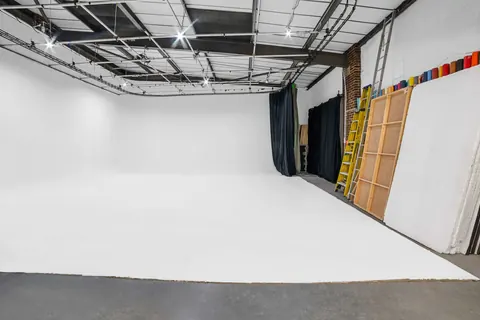
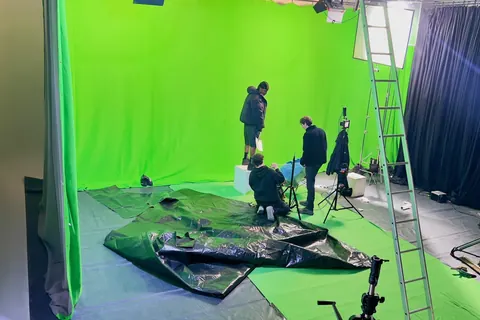
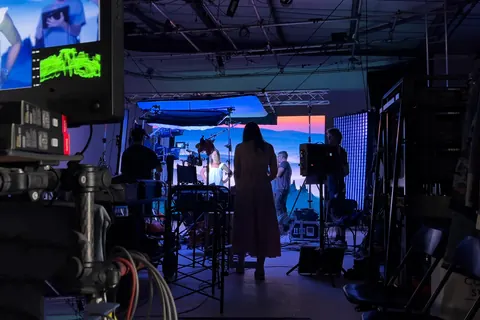
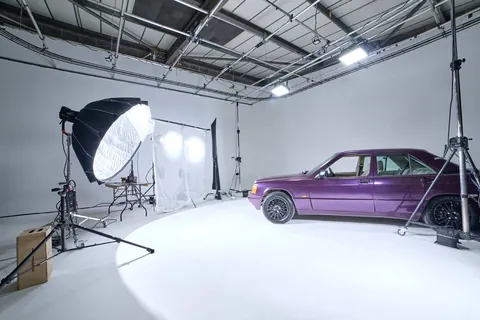
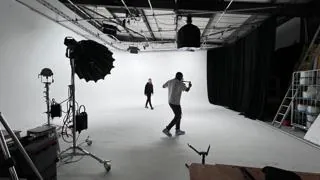
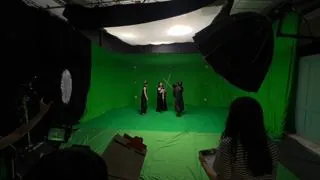
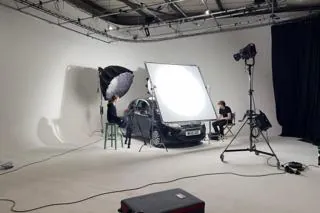
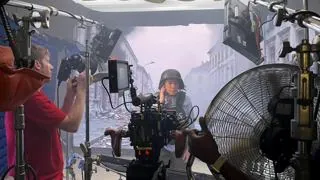
Next, ask about the lighting equipment available for hire. Some studios offer professional lights, while others may require you to bring your own. Check what is included in the booking and whether extra equipment costs more. An infinity cove can also be useful because it creates a smooth curve between the wall and floor. This gives you a clean background for adverts, product videos and interviews. Green screens and virtual production facilities may suit projects that need digital backgrounds or visual effects, so confirm that the available setup matches your plans.
5. Choose the Right Background and Set
The background plays an important role in the look of your final video. Before booking a filming studio rental, decide whether you need a plain backdrop, a green screen or space for a full set. A studio with flexible background options can support different scenes without the need to move to another location. This can save time and make it easier to manage a busy filming schedule.
Think about how often you will need to change the setup during the shoot. If you plan to film several scenes in one day, choose a space that allows your team to move between setups with ease. You should also ask about the rules for building sets, painting surfaces or fixing items to walls. Some studios may limit these changes to protect their facilities. Share your plans with the studio team before filming so they can confirm whether the space is suitable.
6. Confirm the Equipment and Technical Support
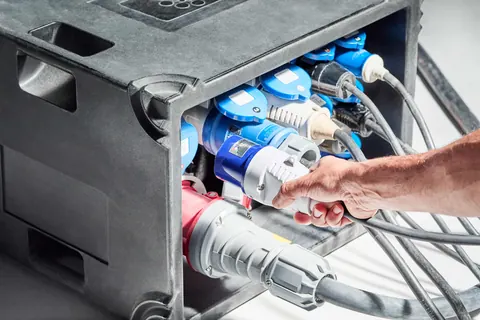
The right equipment can make your shoot easier to manage and reduce the amount of gear you need to transport. Ask what items are available for hire, including lights, stands and other production equipment. You should also check the power supply and make sure there are enough outlets for your planned setup. If your production uses special cameras, monitors or screens, explain your needs before you confirm the booking.
Technical support may be useful if your shoot involves a complex setup. However, do not assume that a technician is included in the hire fee. Ask what support is available and whether you need to book it separately. Before filming day, prepare a list of the equipment you plan to use and share it with the studio team. This gives everyone time to resolve technical issues before the crew arrives.
7. Think About Location and Access
The studio location can affect your schedule, travel plans and equipment delivery. When looking for film studio hire London, check public transport links, parking and the route to the building. A location that is easy to reach can help your crew arrive on time and reduce delays. It can also make early call times easier for people travelling from different parts of the city.
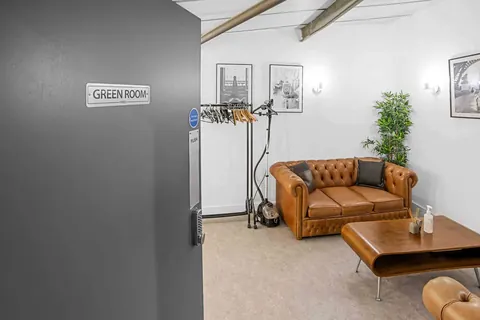
Loading access is another important factor, especially if your production uses large props or heavy equipment. Ask where vehicles can stop and how far the gear must be carried to reach the filming space. You should also check whether the studio has suitable areas for breaks and changing clothes. Cineview Studios is based in Greenwich, London, and offers production facilities such as an infinity cove, green screen, blackout space, virtual production options and equipment hire. Contact the team to confirm which facilities are available for your chosen date.
8. Review the Booking Terms
Before you book a studio, make sure you understand the hire terms. Check the start and end times and ask whether setup and pack-down time are included. Your team may need extra time to place lights, arrange props and test sound before filming begins. Planning this time in advance can help you avoid delays and keep the production schedule realistic.
You should also ask about overtime charges, extra equipment fees and cancellation terms. Check whether cleaning and waste removal are included or whether your crew must handle them. Do not compare studios on price alone, as a lower fee may not include the facilities your production needs. Once you have chosen a studio, confirm the booking details in writing and share the schedule with your crew so everyone understands the plan.
Conclusion
Choosing the right film studio takes careful planning. You need enough room for your crew, suitable sound conditions, flexible lighting and equipment that supports your production. The location and booking terms also matter because they can affect your schedule and the way your team works. By checking these details before booking, you can avoid common problems and prepare for a smoother shoot.
Start with a clear list of your production needs, then compare the space, acoustics, lighting, backgrounds and technical facilities. For film studio hire London, Cineview Studios offers production facilities in Greenwich, including an infinity cove, green screen, blackout space, virtual production options and equipment hire. Contact Cineview Studios to discuss your production needs and find out which facilities are right for your next shoot.
Frequently Asked Questions
1. What should I look for when hiring a film studio?
Look for enough floor space, good sound conditions, flexible lighting and the right equipment for your shoot. You should also check the location, booking hours and any extra charges. These details will help you choose a studio that suits your production needs.
2. Why is sound quality important in a film studio?
Good sound helps keep dialogue clear and reduces unwanted noise in your recordings. Poor acoustics can cause echoes, while outside noise may interrupt filming. Checking the sound environment before booking can help you avoid extra editing work.
3. What is a film production studio?
A film production studio is a space used to film movies, adverts, interviews and other video content. It may offer lighting equipment, background options, room for sets and facilities that support different types of production.
4. Do I need a blackout studio for filming?
Not every production needs a blackout studio. However, blackout facilities are useful when you need full control over lighting and want to keep the look consistent across several shots. They can also help you create specific lighting effects.
5. What is an infinity cove used for?
An infinity cove creates a smooth curve between the wall and floor, giving the camera a clean background without a visible corner. It is often used for adverts, product videos, interviews and other shoots that need a simple, seamless look.