


















CINEVIEW JOURNAL
How Can You Choose a Sustainable Film Studio Without Relying on Vague Claims?
18/11/2026
Choose a film studio by checking what it can actually support, not just whether its website says “green”. Ask for specific information about energy, lighting, travel, reusable materials and waste. Then agree which actions your production will take and who will carry them out.
A studio can help with part of the plan, but it cannot make every journey, prop purchase or production decision for you. For film studio hire, separate the venue’s existing practices from your own shoot-day choices. This guide is a planning checklist, not a certification or a claim that a booking has no environmental impact.
What does the studio’s sustainability statement actually cover?
Read the details behind the headline. Does the statement describe everyday building lighting, the lights available to hire, a particular electricity tariff, or a measured result? Those are different things. An energy supplier’s name alone does not establish the source of electricity used for your booking or the emissions of your whole production.
Cineview’s sustainability information describes recycling, LED house lighting and cycling arrangements. Ask the team for any evidence your production report requires. Do not assume that house lighting means every production fixture is LED, or that an environmental certification applies unless it has been confirmed.
Can your lighting plan do the job without unnecessary kit?
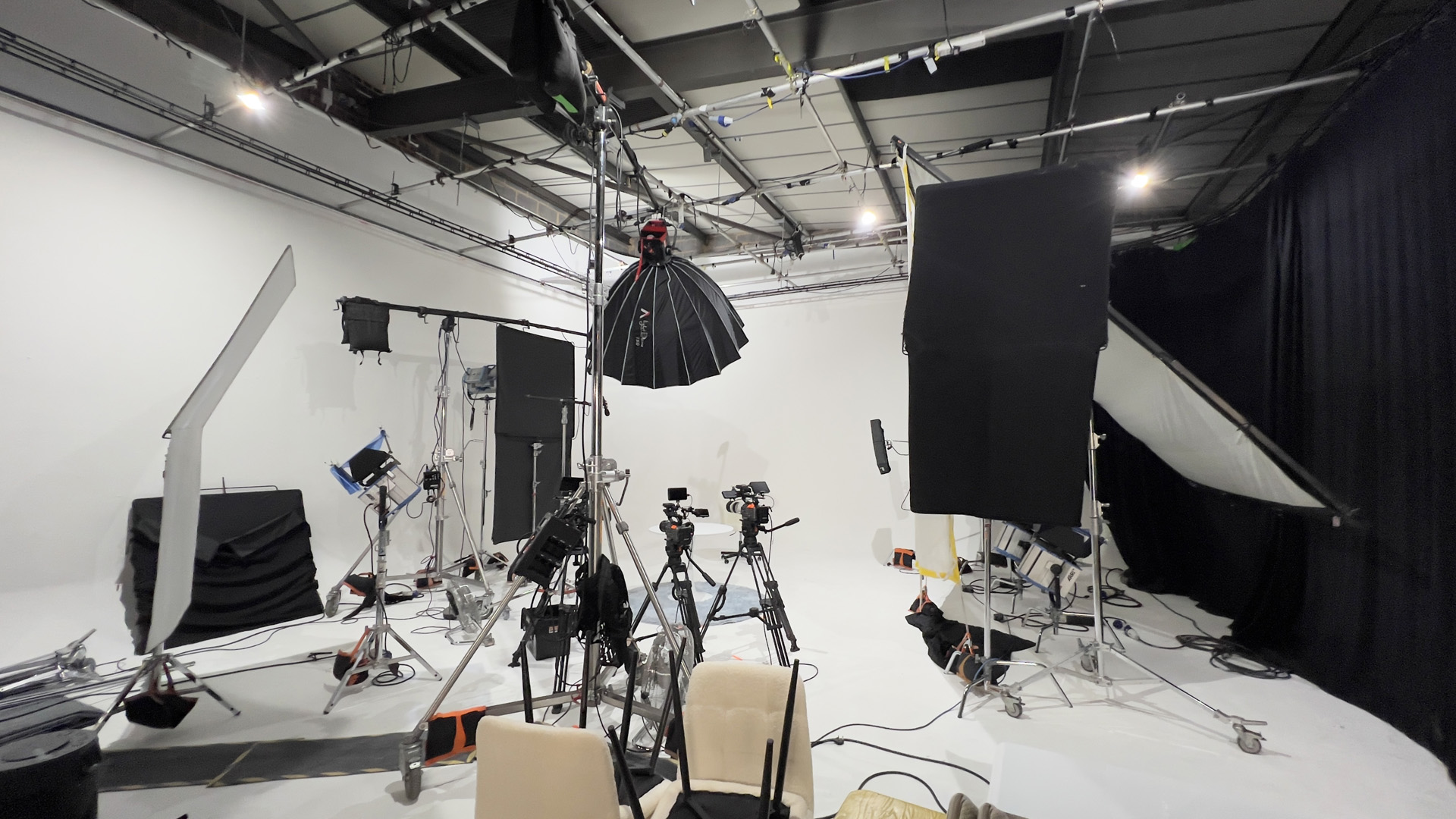
Start with the image you need. Send a lighting plan and check the equipment catalogue before ordering duplicate equipment elsewhere. Confirm models, quantities, compatibility, availability and charges. A listing is not a reservation.
Ask your lighting lead which fixtures and modifiers suit the shot, then test the result. Agree with the studio which equipment can be switched off during breaks. Never turn off essential building systems, safety lighting or somebody else’s equipment to meet an informal energy target.
Can the set be reused after this shoot?
Before buying scenery, list what can be hired, borrowed or reused from your production’s existing stock. Choose finishes and fixings with the next use in mind. Ask the studio before painting, attaching anything to its surfaces or bringing materials that need special handling.
Give every large item an exit plan: its owner, next destination, collection time and person responsible. “We will sort it out afterwards” can leave usable scenery without transport or storage. Do not assume the studio will store, donate or dispose of it for you.
Are crew journeys and deliveries planned together?
Send accurate arrival and loading information with the call sheet. Where practical, combine equipment collections and deliveries rather than arranging repeated trips for forgotten items. Check public transport or cycling options for people who do not need to transport heavy kit. Choose arrangements that work for the crew’s access needs and working hours.
For film studio hire London, assess the whole travel plan rather than picking the nearest map pin. A short journey for one person may not be the best arrangement for a crew, a van and several suppliers.
Who will handle waste before everyone leaves?
Ask which materials the studio’s bins accept and which you must remove. Keep packaging clean and separate where required. Paint, batteries and other specialist waste need an agreed route; do not treat a general recycling bin as the answer to every material.
Name a person to brief the crew and check the space during pack-down. Keep a simple record of what was reused, returned and removed. If you report a saving, retain the method and supporting records rather than inventing a percentage.
Questions before booking a lower-waste shoot
Does an infinity cove avoid the need for a new set?
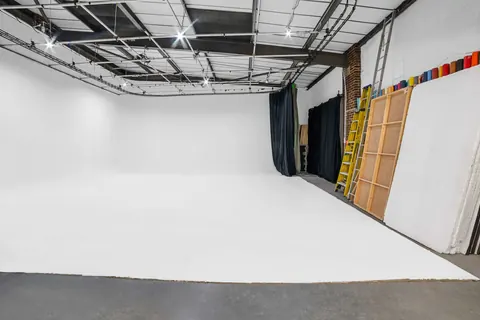
An infinity cove studio may suit a brief that needs a seamless background instead of built scenery. Check framing, floor protection and any repainting requirements first. Choosing an infinity cove is a creative decision, not automatic proof of a lower-impact shoot.
Is a blackout studio more sustainable?
Not automatically. Choose blackout studio hire when the image needs controlled light. The environmental impact depends on your actual lighting, equipment and production plan, not the name “blackout studio”.
Does this checklist apply to photography?
Yes. For photo studio hire, plan travel, props, lighting and waste in the same way. When comparing photography studio hire London options, include equipment and pack-down arrangements. Photography studio hire does not remove the production team’s responsibility for its own materials.
Should I choose the nearest or cheapest studio?
Searches such as “photo studio near me” and “photography studio near me” help build a shortlist. Compare the complete plan for studio hire London, including access and supplier journeys. Cheap studio hire is not necessarily less wasteful. Before acting on a “hire photo studio” listing, check what the quote and facilities actually cover.
The solution: put five decisions on the call sheet
Record the equipment plan, crew travel, reusable materials, waste arrangements and pack-down owner. Confirm these before the shoot, then keep a short account of what happened. Send Cineview your production requirements and any reporting needs so the team can confirm what the studio can support. Specific, agreed actions are more useful than a broad green promise.