






CINEVIEW JOURNAL
Will Your Camera See the Edge of the Infinity Cove When It Moves?
25/11/2026
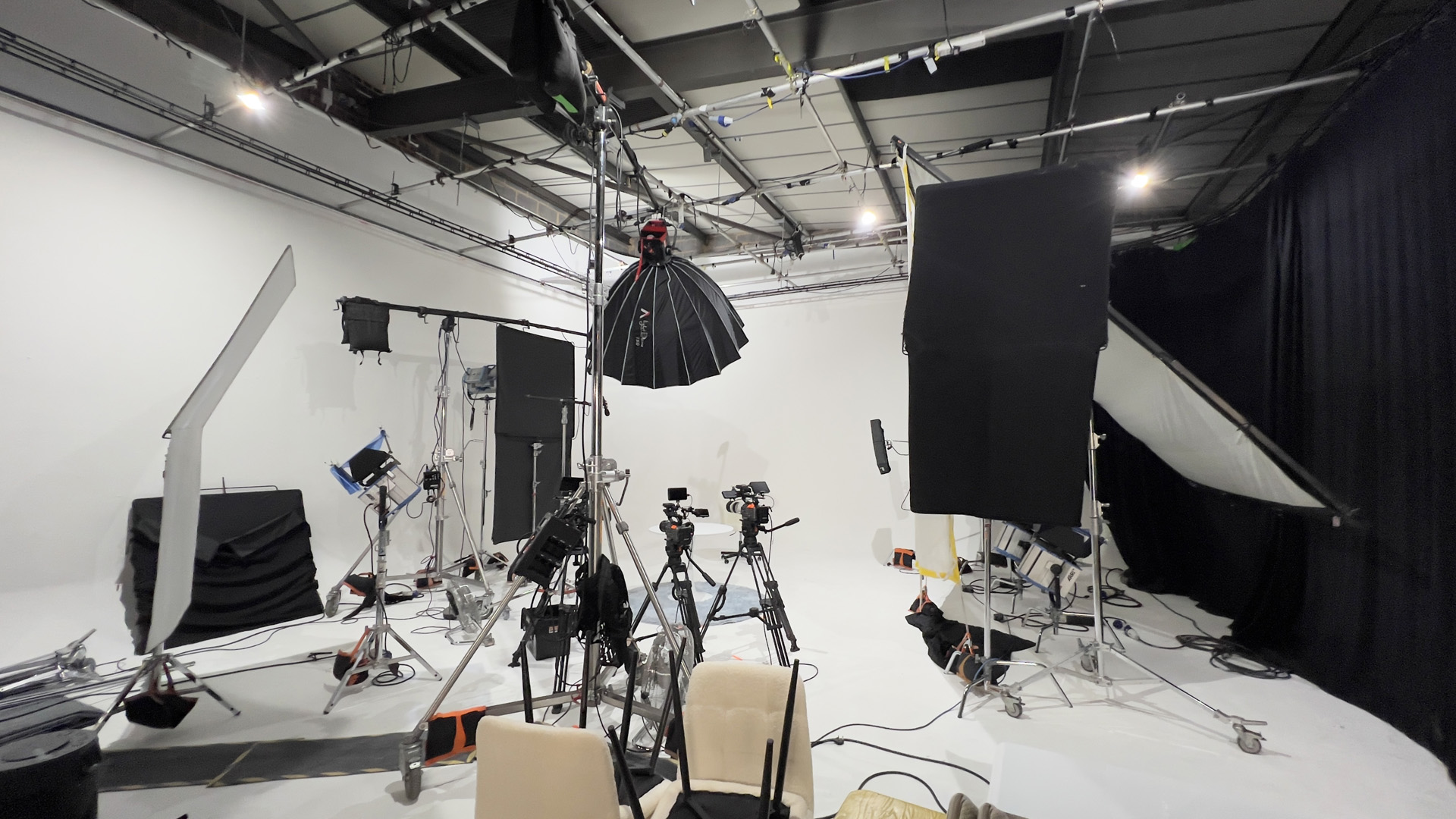
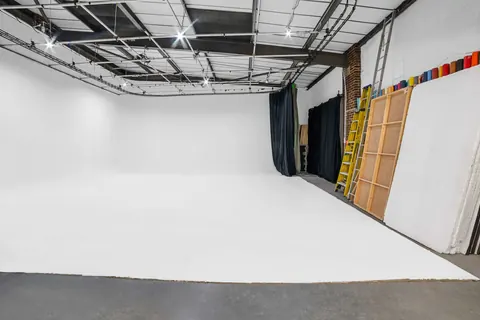
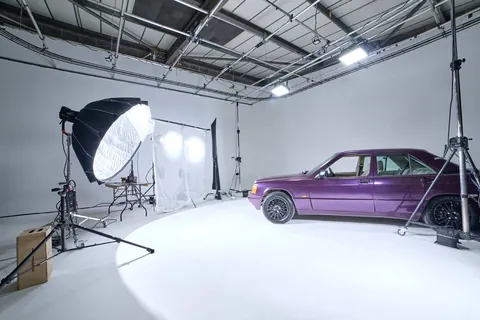
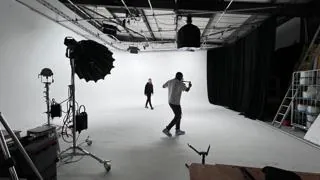
Yes, a moving camera can see the edge of an infinity cove even if the first and last frames look clean. The join between the floor and wall is curved, but the white surface still ends. Test the whole move at the intended lens setting and with the delivery frame guides on. The middle of an arc or the lowest part of a move can be where the set gives itself away.
Map the camera move before you book
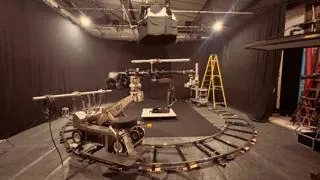
Send the studio a simple overhead sketch showing where the subject stands, where the camera starts and ends, and which way it points at each position. Add the camera height at its lowest point and note anything bulky, such as a dolly, a lighting stand or a large prop. Tell the studio which camera and lens you plan to use and which formats you need to deliver. A landscape frame can catch the side of the set, while a taller frame may reveal the grid or too much foreground.
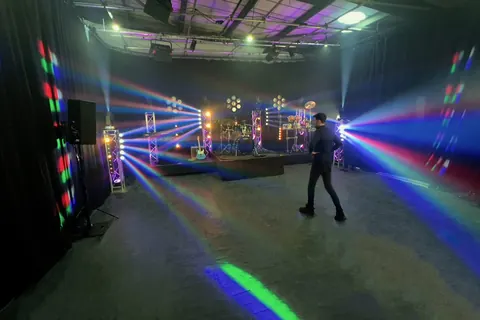
For example, on a music video the camera might arc around a performer with clean frames at both ends, then briefly see a stand or the end of the white wall as it swings across the middle. That is the frame to solve first, not the easiest angle in the storyboard.
Run the full move, then scrub the clip
- Mark the path. Walk it slowly with someone standing in for the subject. Check that the operator has enough room behind the camera, not just space for the camera itself.
- Record one rehearsal. Use the intended lens, height and frame guides. If you plan to use stabilisation, keep the test settings consistent with the shoot.
- Watch all four sides of the frame. Look for the end of the white wall, a line where the white floor ends, stands, crew, cables or track. Pause at the tightest turn and the lowest camera position.
- Fix the smallest thing first. Rotate or shorten the path, move the subject or stand, or test a tighter lens if the framing still works. If the track itself is the problem, try raising the camera or reframing before changing the entire setup.
Before booking Cineview’s infinity cove studio, share your camera path so the team can check the space you’ll have for the move. If you are laying track or positioning heavy kit, agree the route and floor protection with the studio first.
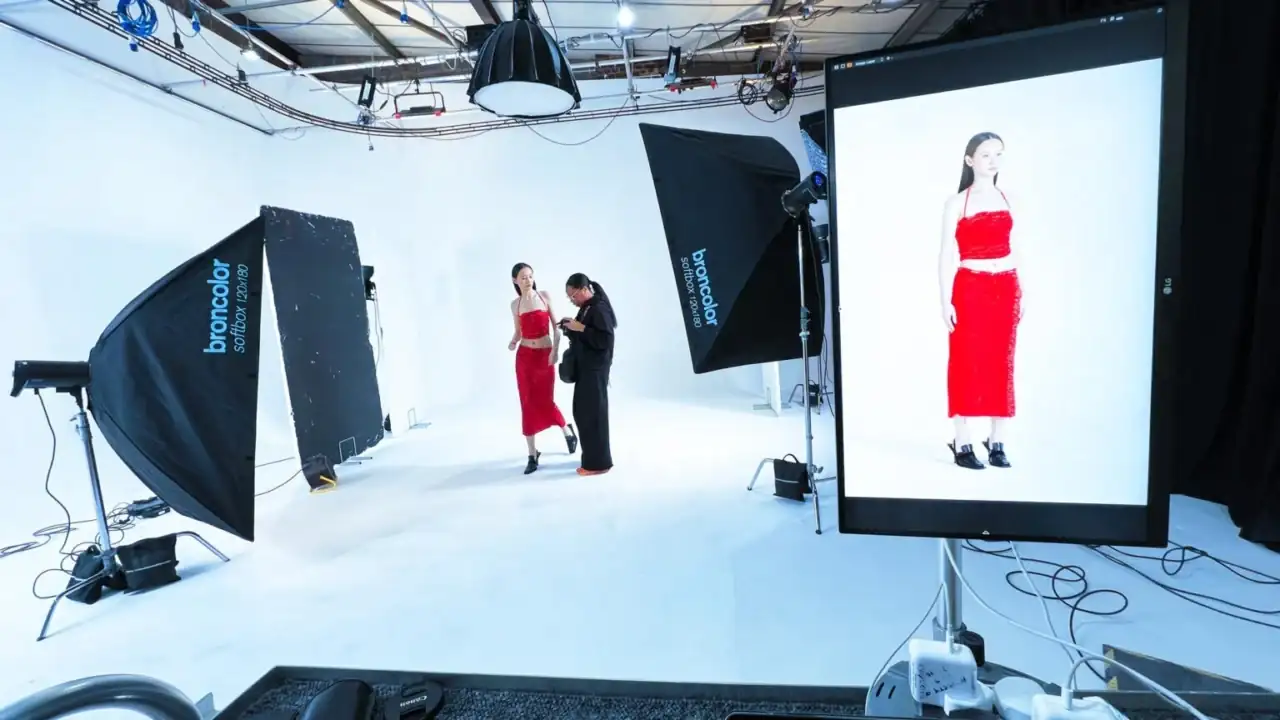
Which space should you compare?
For photography studio hire in London, the same check applies if you plan to hire a photo studio for stills and record moving clips while the set is up. For film studio hire in London, share the camera path before the booking, especially if changing it would affect choreography or lighting.
A white infinity cove is the better starting point if white needs to fill the picture. If the look calls for darkness instead, compare blackout studio hire at Cineview. A blackout studio controls unwanted light, but you still need to check that the camera cannot see the edge of the black background or a stand lit by spill.
If your search starts with “photo studio near me”, “photography studio near me” or “studio hire London”, use the same camera sketch to compare each room. Cheap studio hire can be a good choice if the move fits. If it does not, allow for the cost of reframing, rebuilding the setup or fixing the shot in post. Compare photo studio hire quotes on the room and time the shot actually needs, not the headline rate alone.
The solution: approve a rehearsal, not two still frames
Save a clean rehearsal clip and mark the route once it works. If the move matters to the storyboard, use the studio recce checklist and send Cineview your camera-path sketch before booking.