










CINEVIEW JOURNAL
How Do You Protect a White Cove Floor During a Busy Studio Shoot?
20/11/2026
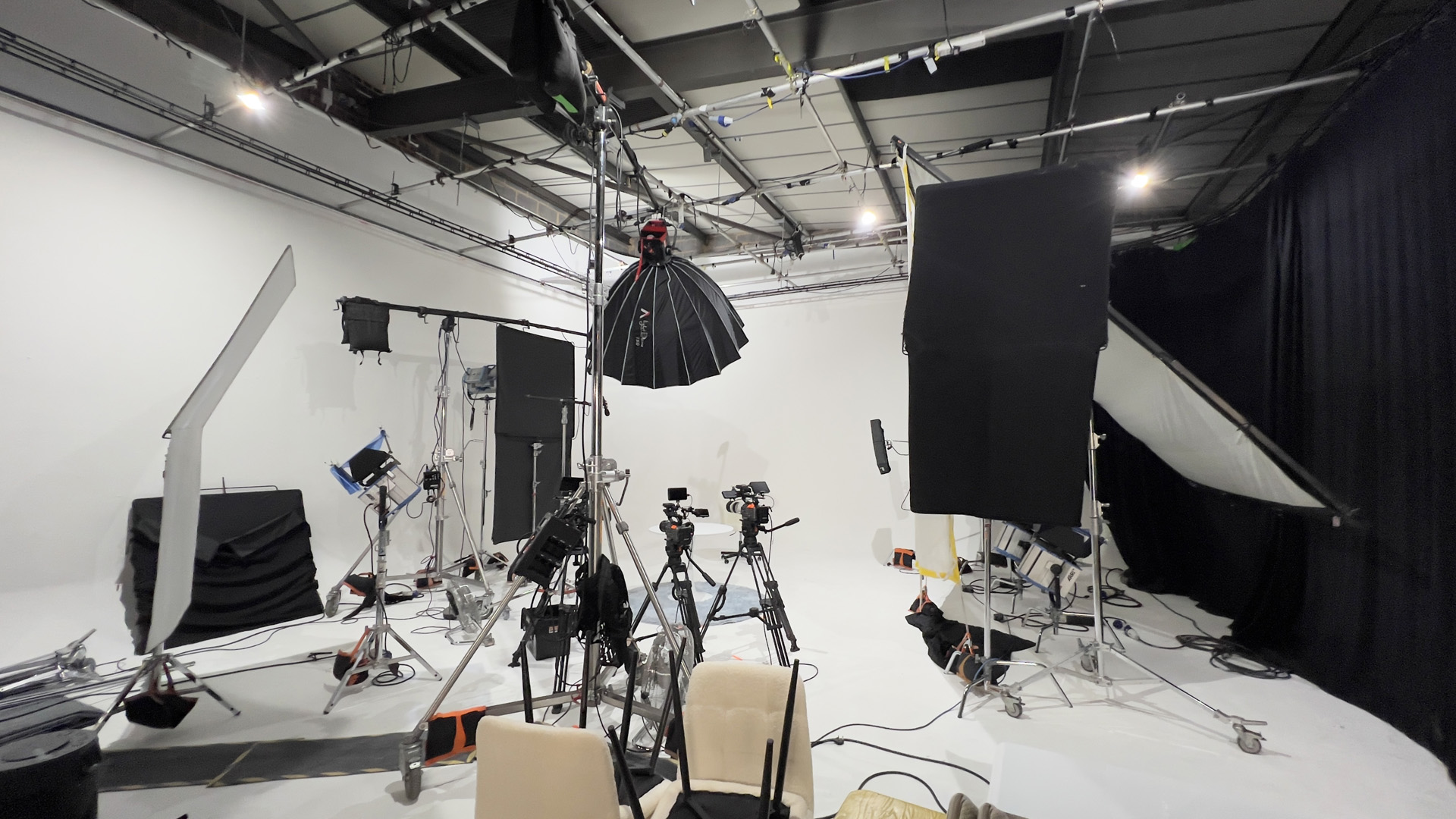
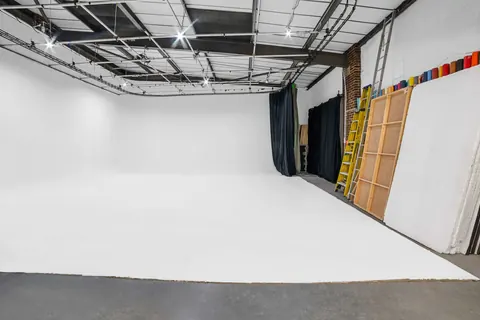
A clean white floor can pick up marks before the first useful frame is recorded. Outdoor shoes cross the set, a wheeled case brings in grit, or a chair moves between takes. For a full-length photograph or wide performance shot, those marks may become part of the background.
The answer is not to stop everyone moving. Plan which floor area the camera will see, agree how people and equipment reach it, and check the surface between setups. Make floor care part of your photo studio hire brief rather than a hurried job at the end.
Start with the floor that will appear in the frame
Show the studio your widest shot and the full movement you intend to record. A static portrait needs a different clear area from a dancer travelling across the set. Include low camera angles and any view that looks down at the floor.
Walk through the plan with the studio before unloading onto the shooting area. Agree where cases can wait, where crew can stand and which route leads to the set. Keep the curved transition between wall and floor out of walking and equipment routes. Ask the studio to identify the permitted working area rather than treating every white surface as ordinary flooring.
An infinity cove provides a continuous background, but it still needs care during use. An infinity cove studio booking should specify the required surface finish as well as the space and lighting.
Agree preparation before arrival, not after load-in
Cineview’s cove page explains that a freshly painted cove can be arranged on request. Tell the studio what your camera needs and ask what preparation is appropriate. Confirm the scope, timing and any costs in writing; do not assume a new coat of paint is automatically included in every booking.
If painting is required, ask when the surface will be ready for your planned activity. Do not choose your own drying-time estimate or begin moving equipment onto a surface that has not been released for use. Discuss any unusually demanding movement, props or wheels before booking.
For photography studio hire, a reference showing the visible floor is more helpful than simply asking for a “clean white background”. For film studio hire, include the complete action, not only a still frame from the treatment.
Give people a clear route onto the set
Keep outdoor traffic away from the visible shooting area where practical. Decide where talent changes into the footwear used in the shot and where crew can check their soles. Do not assume new shoes are clean or that a pale sole cannot leave a mark.
Ask which footwear and protective measures the studio permits. Avoid improvised shoe coverings or tape on soles if they could affect grip, movement or the surface. A dance or performance sequence needs suitable traction as well as a clean floor. Rehearse the actual movement with the agreed footwear before recording.
Put the agreed route and floor-care instructions into the crew briefing. Keep drinks, food and unpacked delivery materials away from the shooting area. Nominate one person to notice when a route has become blocked or a new prop needs checking.
Check wheels and prop contact points before moving them
Inspect case wheels, stand feet and furniture bases before they enter the cove. Dirt trapped underneath can be carried across the surface even when the object looks clean from above. Ask the studio how heavier items should be moved and whether approved floor protection is required.
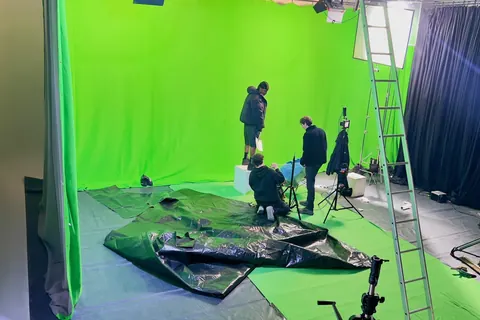
Do not drag furniture across the painted floor or improvise lifting a heavy object. Use the agreed handling method with suitable crew and equipment. Avoid attaching tape, pads or protective sheets to the studio surface without permission. Protection itself must not introduce a loose edge, unstable base or trip hazard.
Plan repeated resets too. If a chair moves for every take, agree its route and check its contact points after each move. Reducing unnecessary moves can protect both the finish and the schedule.
Review the floor through the camera between setups
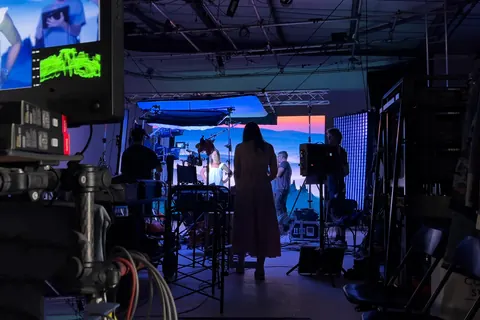
Check a recorded image using the intended framing and lighting. Inspect the areas around feet, prop bases and movement paths. Repeat this check after a busy reset, a change of lens or a lower camera position.
If a mark appears, pause and ask the studio how it should be handled. Do not apply household cleaners, solvents or abrasive pads to the paint. Let the studio decide whether cleaning, a local repair or a change to the working plan is appropriate.
Avoid increasing exposure simply to hide a floor mark if that sacrifices detail in white clothing or products. The separate guide to lighting an infinity cove covers background and subject control. Surface care and exposure are different jobs.
Include floor care in the booking and handover
When comparing photography studio hire London or film studio hire London options, ask how preparation, approved protection, cleaning and any restoration are handled. Cheap studio hire is not a saving if the plan leaves no time for the work required.
Searches for “photo studio near me” and “photography studio near me” help with location. Before you hire photo studio space, also confirm that the venue can accommodate the movement and handling your shoot involves.
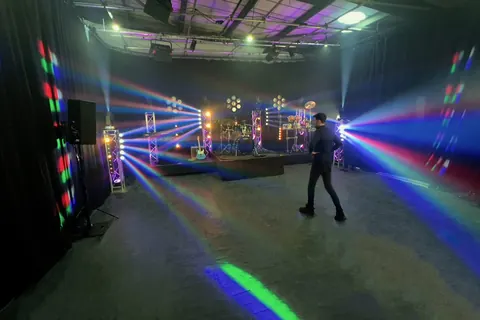
If your studio hire London plan includes a blackout studio look, discuss the floor treatment and changeover separately. Blackout studio hire does not make surface protection unnecessary, and a dark-looking photograph does not establish that the floor is ready for the next setup.
The solution: plan the route, protect the surface and check every reset
Agree the visible shooting area, preparation and permitted movement before arrival. Brief the crew, check footwear and contact points, use only approved protection and review the recorded frame after changes. Leave time for a joint inspection and the agreed handover before departure.
Send Cineview your shot references and movement plan, including the props, footwear and wheeled equipment you expect to use. That gives the studio a practical starting point for confirming the surface preparation and working arrangements your shoot needs.