
Green Screen Studio Hire London: What Matters
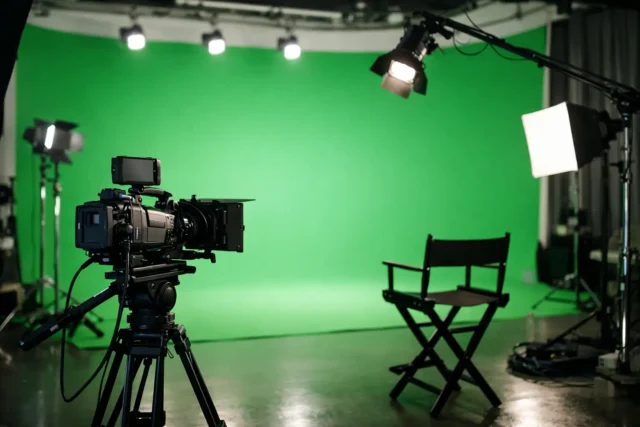
When a shoot depends on clean keying, there is very little room for compromise. Green screen studio hire London teams choose should not just give you a green wall and a booking slot. It needs to give you enough space to light properly, enough height to separate talent from the background, and enough practical support to keep the day moving when the schedule tightens.
That is where many studio searches go wrong. On paper, plenty of spaces claim to offer chroma key capability. In practice, crews arrive to find low ceilings, awkward access, limited rigging options and barely any room to build a proper lighting setup. If you are shooting branded content, interviews, product explainers, music promos or VFX-heavy commercial work, those limitations cost time fast.
What green screen studio hire London productions actually need
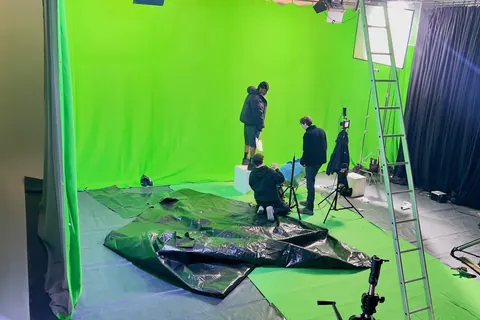
A usable green screen studio is not defined by the paint alone. The real value sits in how the room works around the shoot. For keying to hold up in post, you need even background illumination, controlled spill, and enough distance between subject and screen. That means physical dimensions matter more than many first-time hirers expect.
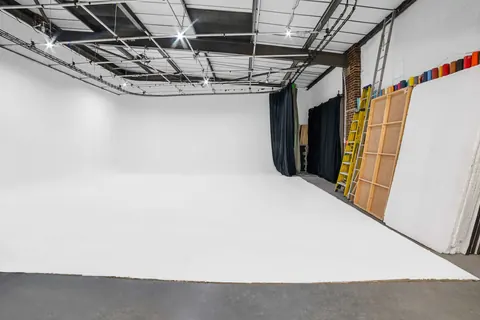
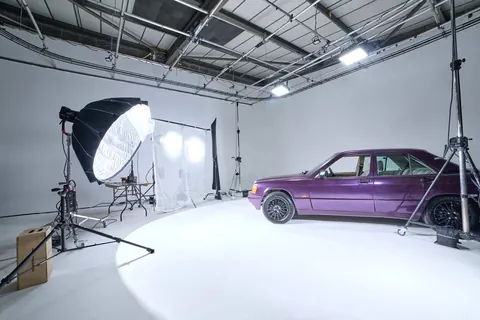
Ceiling height is usually the first pressure point. If the ceiling is too low, you end up compromising on fixture position and fighting uneven coverage. A proper lighting grid changes that. It lets your crew rig overhead with control, clear the floor, and shape the screen and subject separately. For commercial productions, that separation is not a luxury. It is often the difference between a clean result and hours of avoidable post-production cleanup.
Floor space matters just as much. A green screen studio setup for a single presenter has different demands from a car reveal, fashion spot or multi-person scene. Some shoots only need a controlled talking-head environment. Others need enough depth for camera movement, tracking shots or set dressing. The best hire decisions come from matching the studio footprint to the production rather than paying for a room that looks fine online but pinches the workflow in person.
Why access matters as much as the screen
One of the least glamorous parts of studio booking is often the one that affects the day most. Access. If your kit list includes sizeable lighting packages, grip, props, set pieces or wheeled cases, a difficult load-in can burn through crew time before first shot.
That is why ground-floor access and shutter entry carry real value. They remove the usual London friction of narrow corridors, tiny lifts and stair-heavy buildings that were never designed for serious production. If you are bringing in branded set elements, large products or anything vehicle-related, drive-in suitability becomes even more useful. You spend less time solving the building and more time shooting.
Parking is another practical advantage that should not be treated as a bonus. In London, parking can become a hidden production cost and a daily headache. Free on-site parking helps with budget control, but it also makes call times, client arrivals and crew rotations far more manageable. For agencies and production companies working to tight schedules, that is operationally significant.
A good green screen studio should reduce post-production problems
The cheapest studio is rarely the most economical one. Green spill, uneven lighting and cramped staging areas all create issues that are technically fixable later, but each fix adds time somewhere else in the production chain. A studio that supports cleaner capture from the start usually saves money overall.
This is especially relevant for shoots with fast turnaround. Social campaigns, e-commerce video, presenter-led brand content and internal comms pieces often have little tolerance for delays in post. If the footage is captured well, the edit moves faster. If the key is patchy, your team ends up paying for the studio twice – once in the hire fee, then again in repair work.
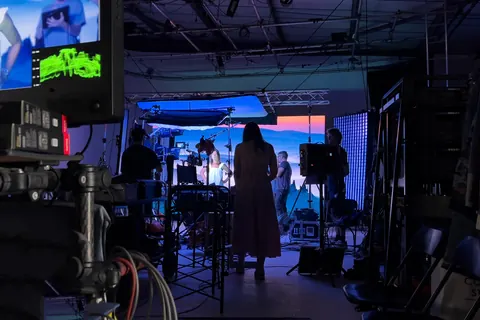
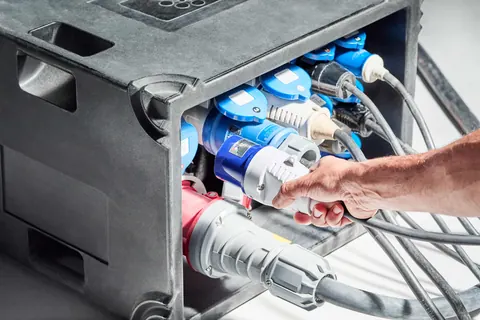
That is why in-house lighting and grip support matter. A studio with a strong equipment inventory gives crews flexibility without the cost and complexity of over-ordering from multiple suppliers. It also helps smaller teams punch above their weight. If you are a lean production unit or an independent creator, having the right kit on site can make the difference between a straightforward day and a compromised one.
Green screen studio hire London options vary more than they look online
The London studio market is full of mixed-purpose spaces. Some are excellent for stills but weak for motion. Some work well for table-top content but struggle with larger crews. Some are marketed as professional studios yet offer very little beyond four walls and basic power.
That is why comparison should focus on function, not just day rate. A lower rate can stop looking competitive once you factor in added equipment hire, lost setup time, poor access, or the need to work around structural limits. Equally, a larger studio is not automatically the better option if your production is simple and the extra footprint adds no value.
What matters is whether the space supports the job properly. For a polished commercial shoot, that usually means enough scale for talent separation, controlled blackout capability, solid rigging infrastructure, and a team that understands pre-lighting, pre-rigging and real production timelines. For straightforward content capture, it may simply mean a reliable room with good support and predictable logistics.
What to ask before booking a green screen studio
Before confirming any green screen studio hire London booking, it is worth pressure-testing the practical details. Ask how much usable green screen studio area is available, not just whether a green screen studio exists. Check the ceiling height and whether there is a proper lighting grid. Confirm load-in access, parking, power provision and what in-house kit can be supplied on the day.
You should also ask about turnaround support. If your crew wants to pre-rig the afternoon before or leave a setup standing overnight, that flexibility can materially improve the production day. Studios with 24/7 access are particularly useful for campaigns with multiple call times, overnight builds or tight delivery windows.
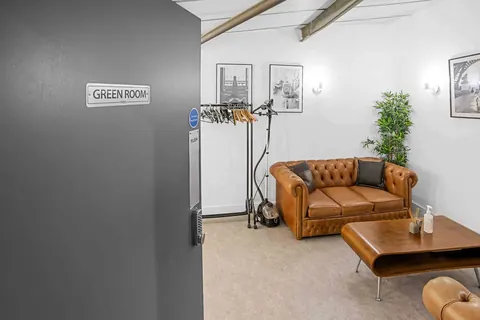
Client-facing comfort is part of the equation too. Commercial shoots often involve agency teams, brand stakeholders and talent all sharing the same space. A studio may be technically capable but still feel chaotic if it lacks the practical amenities that keep people comfortable and focused. That affects approvals, pacing and the general tone on set.
The advantage of a production-first studio
A production-first studio does not force crews to work around the building. It is designed to support efficient setup, clean execution and flexible shooting. That sounds obvious, but in London it is not standard.
The difference shows up in small but meaningful ways. High ceilings let your gaffer light the screen correctly. A blackout-capable space gives you control over ambient contamination. Ground-floor shutter access keeps load-in realistic. Free parking removes another line from the budget. In-house grip and lighting reduce external coordination. Staff who understand shoot days can solve problems quickly instead of slowing things down.
For agencies and brand teams, this translates into smoother production and more predictable costs. For photographers and filmmakers, it means less compromise. For smaller operators, it gives access to a level of functionality that would otherwise sit outside budget.
This is where a studio like Cineview Studios stands apart. The value is not just that green screen studio capability is available. It is that the wider facility is built around the practical demands of commercial production, with scale, access, rigging, equipment and flexibility working together rather than creating friction.
Matching the space to the brief
Not every green screen studio shoot needs the biggest possible room, and not every production needs a stripped-back budget option. The right choice depends on the brief, the crew size, the lighting plan and the expected finish.
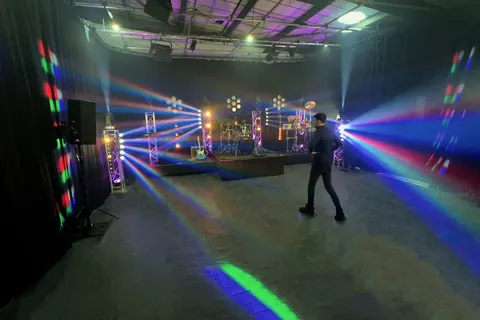
If you are filming a simple presenter piece, your priority may be efficiency and a fast setup. If you are producing a music video, automotive sequence or VFX-led campaign, the priorities shift towards scale, rigging options and movement. If you are handling e-commerce or branded content with repeat shoot days, consistency becomes just as important as price.
That is why the smartest bookings start with the production requirements, not the listing headline. Green screen studio hire London should be judged on whether it helps the shoot run better, not whether it sounds affordable in isolation. Studios that combine proper space, practical access and technical readiness nearly always deliver better value over the full life of the project.
A good studio should make the production feel simpler the moment the crew arrives. If the space, support and logistics are right, your team can focus on getting the shot rather than compensating for the room.