
Video Production Studio Rental That Works Harder
A video production studio hire should remove production problems before the first camera is built. If your crew is losing time carrying kit up narrow stairs, fighting daylight spill, hiring basic lighting elsewhere or squeezing a client area around the set, the studio is not saving money – it is adding cost to the day.
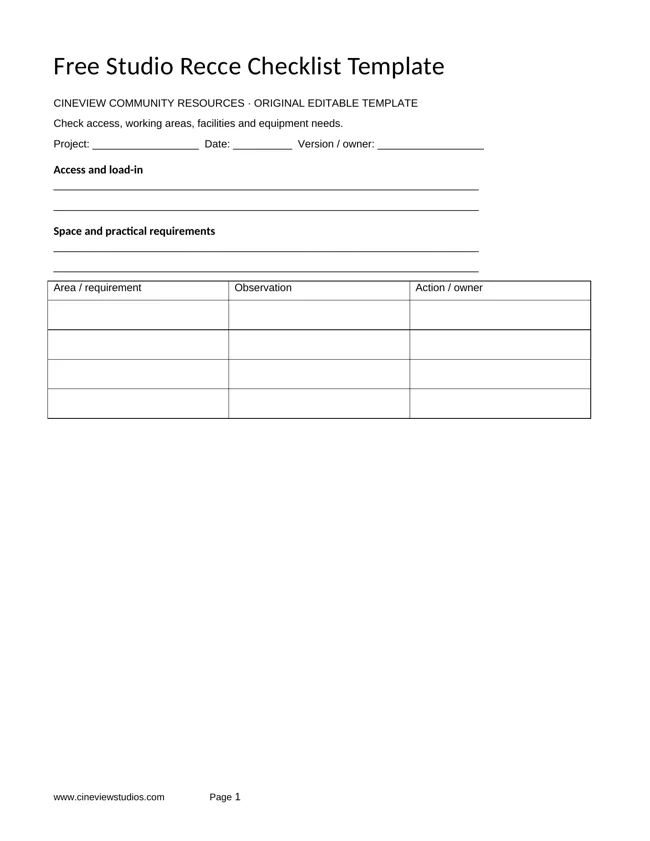
For commercials, branded content, music videos, product films and social campaigns, the right space is less about having four walls and more about controlling the shoot. Ceiling height, load-in access, blackout capability, power, parking and available equipment all affect what can be achieved, how quickly the crew can work and whether the budget stays intact.
What a production-ready studio needs
London has no shortage of spaces described as studios. Many are suitable for a small portrait session or a simple tabletop shoot, but become restrictive once a production brings in a larger crew, a sizeable lighting package, art department, talent, clients and a proper camera setup.
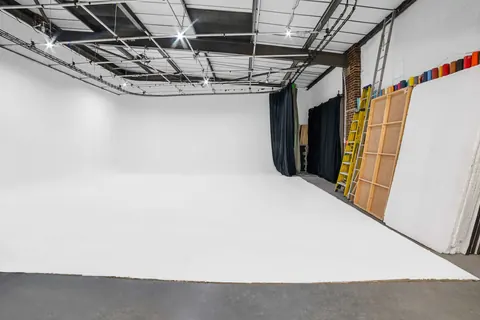
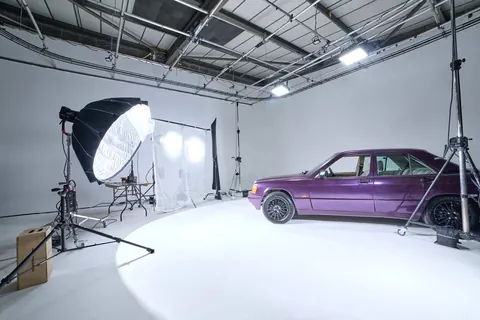
A functional film studio starts with scale. High ceilings create room to place lights where they need to be, rather than where the building permits. They give a gaffer more useful angles, make it easier to soften sources and help prevent lighting stands, flags and boom arms from crowding the frame. This matters particularly for vehicle work, fashion films, large product sets and any shoot that needs a convincing sense of depth.
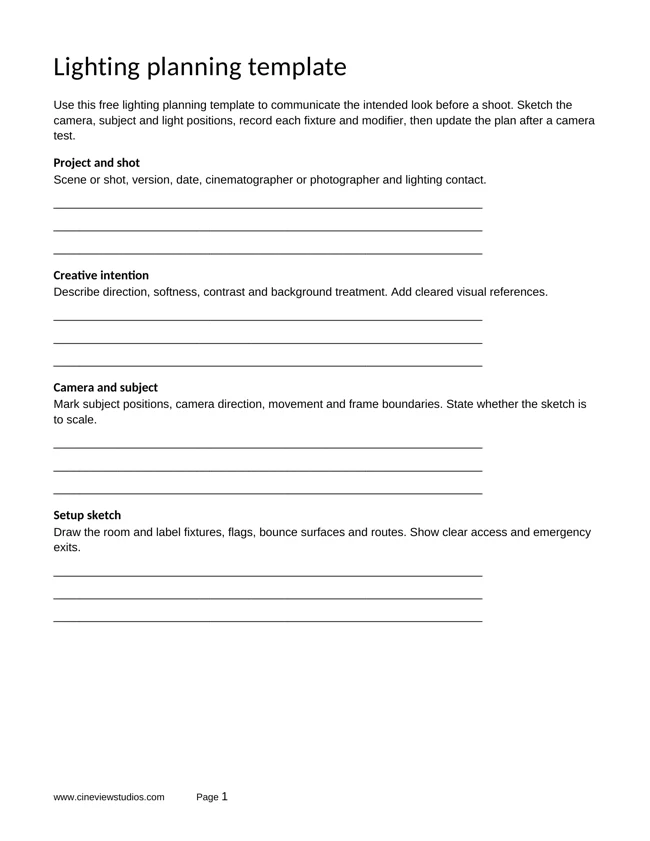
A lighting grid is equally practical. It keeps equipment off the floor, frees up the shooting area and allows rigs to be installed safely before the main crew arrives. Pre-rigging can turn a pressured call time into a controlled setup, especially when a brand, agency or client team is expecting to start reviewing shots early in the day.
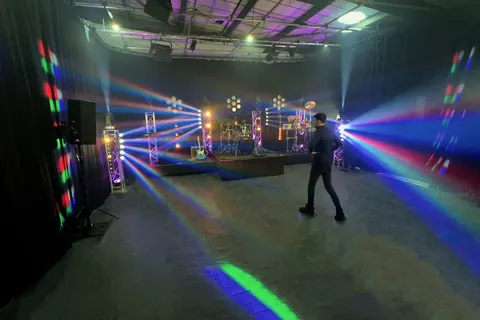
The studio must also provide reliable blackout. Natural light can be useful when it is deliberate, but uncontrolled daylight changes exposure and colour temperature throughout the day. A proper blackout studio gives the director of photography repeatable conditions, whether the brief calls for a clean packshot, a night scene, a high-contrast fashion look or a carefully lit interview.
Video production studio hire is an access decision
Access is often treated as an afterthought when comparing studio rates. In practice, it can be the difference between a straightforward shoot and a difficult one.
Ground-floor, drive-in or shutter access allows a crew to bring in cases, lighting, set materials, props and larger items without relying on lifts, corridors or manual carrying. For shoots involving vehicles, oversized products, flats or a substantial set build, it is not merely convenient. It may be the only workable option.
Consider the full route from vehicle to set. Can a van or lorry unload close to the stage? Is there space to park during the day? Can equipment be moved inside on cases and trolleys? Are there restrictions on delivery times? A lower headline hire rate quickly loses its appeal if the crew needs additional labour, paid parking or hours of loading time to overcome poor access.
Free on-site parking also makes budgeting cleaner. Productions should not have to guess what an all-day shoot will cost after parking, congestion-related travel and repeated runs for missing kit. The more of the logistics that are handled at the studio, the more the producer can focus on the work in front of the camera.
Match the studio to the treatment, not just the floor plan
A studio can look generous in photographs and still be wrong for the production. The question is not simply, “How many square feet?” It is whether the space supports the visual treatment and working method.
Infinity coves for clean, repeatable visuals
An infinity cove is a strong choice for e-commerce, fashion, beauty, product films and commercials where the subject needs to sit in a clean, uninterrupted environment. It offers a controlled background without a visible horizon line and can be lit to appear bright, tonal or dramatic.
Check the cove dimensions against the shot. A single presenter, a group of talent and a large product each need different working space. The crew also needs enough distance to position the camera, lay track, place lighting and keep unwanted shadows out of the frame. A cove that is technically present but too small can limit framing before the shoot has started.
Green screen and virtual production for flexible worlds
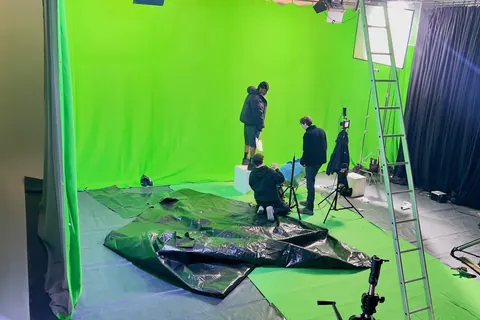
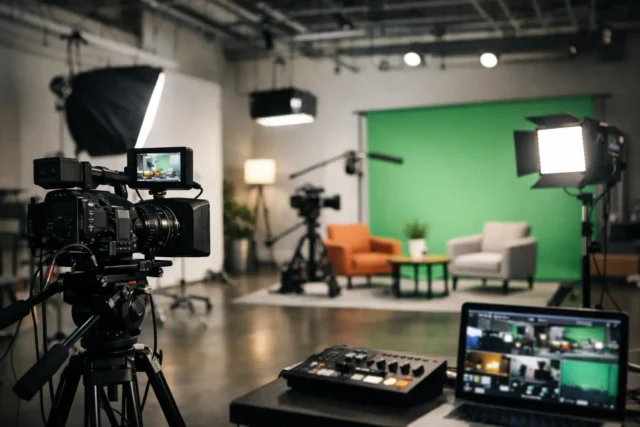
Green screen work needs more than a green wall. It needs enough room to light the screen evenly, separate talent from the background and position the camera without compromises. A studio with a dedicated green screen setup gives productions a more dependable route to keying, provided the lighting and space are planned properly.
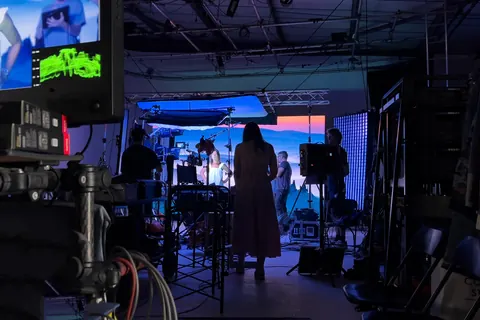
Virtual production can be valuable when the concept needs immersive digital environments, in-camera backgrounds or a more controllable alternative to location work. It is not the right answer for every brief. It requires a clear workflow between production, camera and post-production. But when it is suited to the creative, it can reduce travel, weather risk and the cost of building multiple physical locations.
Set builds need practical freedom
A set-build studio should allow construction teams to work without bringing the entire production to a halt. Height, access and floor space matter, as does the ability to bring materials in efficiently and leave pre-built elements in place where agreed.
Ask whether the studio can accommodate a build day, pre-light and de-rig. A one-day hire may look economical, but it is rarely the best value if the crew is constructing, lighting, filming and clearing everything in the same compressed window. Flexible access can protect both the schedule and the quality of the final image.
Factor equipment into the real cost of hire
The day rate is only one line in the budget. A better comparison includes the equipment already on site, the time required to source additional kit and the cost of transporting it.
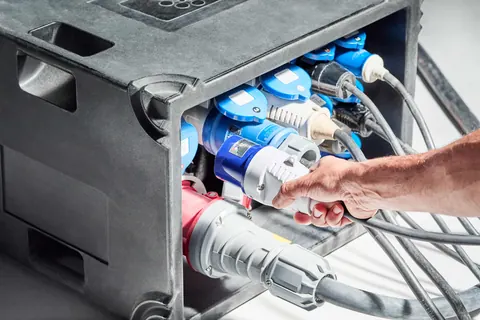
In-house lighting and grip can make a significant difference for shoots that need standard production tools quickly. Stands, modifiers, flags, frames, C-stands and power distribution are not glamorous budget items, but their absence creates delays. When equipment is available in the studio, crews can adapt to a creative decision without waiting for another delivery.
That does not mean every production should rely solely on house kit. Larger commercials and specialist camera packages will often bring a preferred lighting package and crew. The advantage is having a capable baseline in place, plus the space and infrastructure to support more ambitious requirements.
Before booking, confirm what is included and what is charged separately. Clarify power availability, equipment condition, consumables, overtime, cleaning, cove repainting and any technician support. Transparent answers are more useful than a cheap rate with unclear extras.
Make room for the people behind the shoot
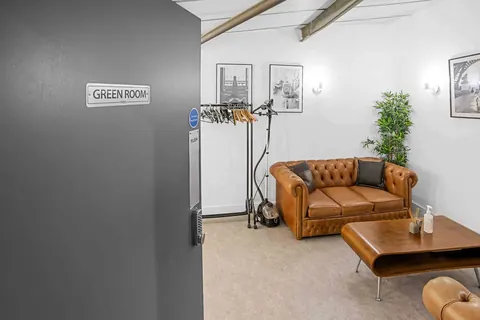
A professional studio is also a workplace for a mixed group of people. Alongside the camera department, there may be stylists, hair and make-up, producers, agency staff, clients, talent and catering. If they have nowhere practical to work or wait, the set becomes crowded and decisions take longer.
Client-ready areas do not need to be extravagant. They need to be clean, organised and separate enough for people to review takes, hold conversations and stay out of the shooting space. Reliable facilities, Wi-Fi and room to prepare are basic operational requirements on a commercial job.
The same principle applies to opening hours. A studio that can support early calls, late wraps and overnight pre-lighting gives production managers more options. Twenty-four-hour access is particularly useful when a campaign needs a night look, a long build or an efficient handover between departments.
Questions worth asking before you confirm
A short site visit or detailed production call can expose limitations that a gallery of images will not show. Ask about usable shooting dimensions rather than just total floor area. Confirm ceiling height, cove size, blackout method, loading route, parking capacity, power, noise restrictions and whether your preferred equipment can be supplied or brought in.
It is also sensible to discuss the schedule honestly. Tell the studio if you need a vehicle inside, a green screen setup, a build day, smoke or haze, a large crew, client viewing or a pre-rig. A production-savvy studio can plan around these requirements. Finding out on the morning of the shoot is when straightforward jobs become expensive problems.
For London productions that need room to build, light and move properly, Cineview Studios is designed around those operational realities. The aim is not to make a shoot feel budget. It is to give the crew the conditions to deliver work that looks properly produced.
Choose the space that gives your treatment room to breathe, your crew a sensible workflow and your budget fewer surprises. That is where a good studio hire earns its place in the production.