
Photo Studio vs Daylight Studio for Commercial Shoots
A photo studio vs daylight studio decision can shape far more than the look of your final frames. It affects call times, lighting plans, crew size, client confidence, retouching workload and whether your schedule survives a cloudy London afternoon. The right choice is not about whether one type of space is inherently better. It is about matching the studio to the production you are actually running.
For a simple editorial portrait or lifestyle campaign, daylight can add softness and immediacy. For a commercial shoot with multiple deliverables, changing set-ups and non-negotiable brand colour, a controlled studio environment usually gives production the stronger hand. Understanding the trade-off before you book prevents expensive compromises on the day.
What is the difference between a photo studio and a daylight studio?
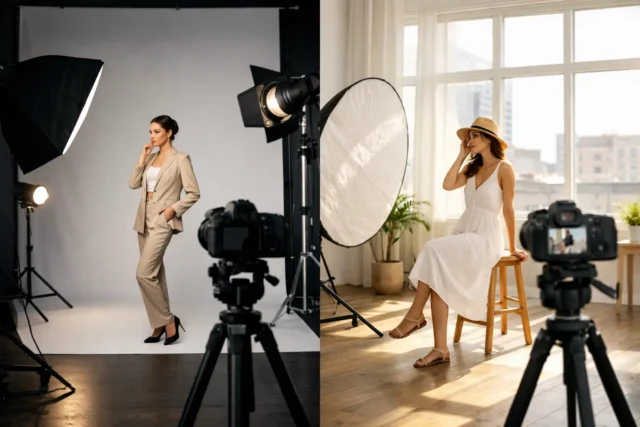
A daylight studio is designed around available natural light. It will typically have large windows, roof lights, a bright interior and an open, domestic or warehouse-style feel. The space may be ideal for photographers who want directional sun, soft overcast light or an effortless editorial atmosphere without building a full lighting set-up.
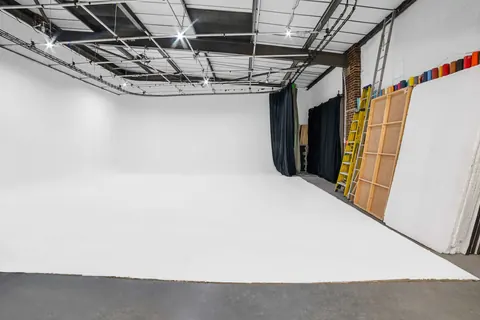
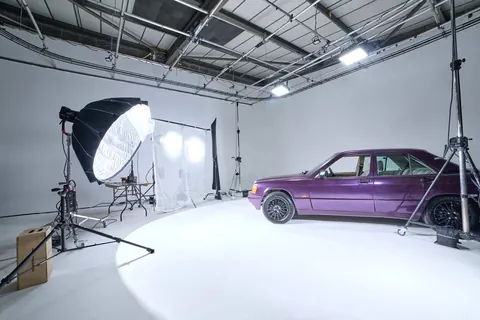
A purpose-built photo studio is designed for control. It may include blackout capability, high ceilings, a lighting grid, infinity cove, dedicated power, rigging points and a practical equipment inventory. Rather than responding to the weather, the crew creates the light required for the shot. That distinction matters when visual consistency, speed and repeatability are part of the brief.
Many daylight spaces can accommodate flash and continuous lighting, and many production studios have windows or natural light options. The useful question is not what the space is called. Ask whether it can deliver the look, working conditions and turnaround your shoot demands.
Photo studio vs daylight studio: the production comparison
Light control and consistency
Daylight is attractive because it can look beautiful with very little intervention. A large north-facing window can produce flattering, soft light for beauty, fashion, food and portraits. Sunlight can also create harder shadows and movement that work well for lifestyle-led campaigns.
The problem is that natural light is not a fixed asset. Its intensity and colour temperature change through the day. Passing cloud, rain, seasonal daylight hours and surrounding buildings can alter an exposure between takes. In London, a shot planned around bright window light at 10am may need a substantially different approach by 2pm.
That unpredictability is manageable when the creative intent welcomes variation. It is less useful when shooting an e-commerce range, a campaign requiring matched images across several days, or video where an interview must cut cleanly from one take to another. A blackout studio lets the team set exposure, contrast and colour temperature once, then maintain it. That saves time on set and reduces correction in post-production.
Space for the shot and the crew
Daylight studios are often booked for their character, but their practical footprint can be limited. A stylish room may comfortably hold a photographer, subject and small styling team, yet become cramped once you add a client, video crew, sound recordist, hair and make-up, product rails, cases and catering.
Commercial productions need clear separation between the shooting area and the working area. High ceilings give lighting more room to travel and make it easier to soften sources without stands intruding into frame. A larger floor also gives photographers options for lens choice, full-length compositions, vehicle work and set changes.
If you are shooting a single model by a window, a compact daylight space can be exactly right. If you are producing campaign stills, social video, behind-the-scenes content and client approvals in the same day, a larger studio provides the margin that keeps the operation organised.
Set design, backgrounds and visual range
A daylight studio often arrives with a built-in look: painted floors, textured walls, period features, plants or furniture. That can reduce styling time and make a small crew feel productive quickly. It can also make the work look similar to every other campaign shot there.
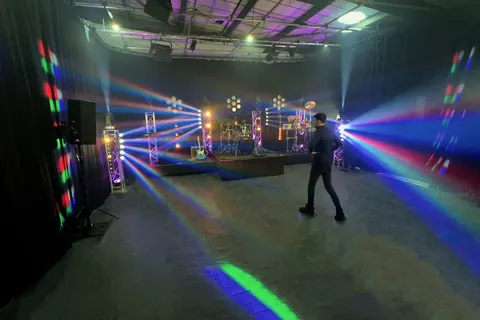
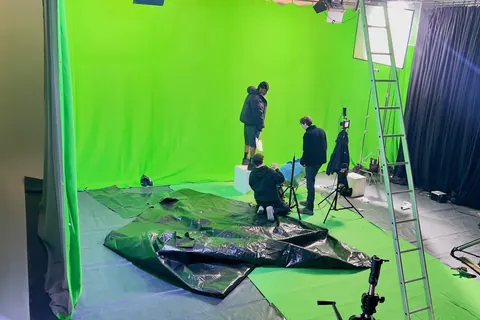
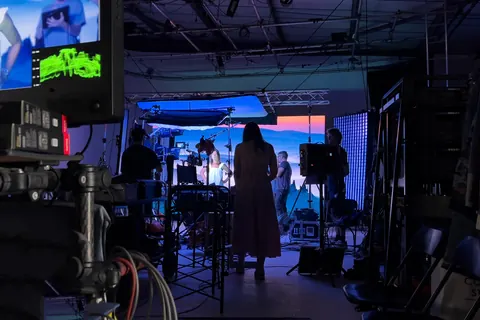
A dedicated photo studio starts with a more neutral base, which is useful when the brand needs to lead the image. An infinity cove offers a clean, uninterrupted backdrop for product, fashion and automotive content. Blackout capability supports dramatic lighting. Green screen and virtual production options create further flexibility for motion work, while a studio suitable for set builds gives an agency more control over art direction.
The question is whether you need a location with personality or a production space that can become the location. For brands that require distinctive worlds, repeatable lighting or several looks in one booking, the second option is generally more cost-effective than moving between multiple spaces.
Equipment, power and technical readiness
Daylight studios vary widely. Some have a modest selection of stands and reflectors; others offer more comprehensive hire equipment. Never assume the equipment list will support your lighting plan. You may need to bring strobes, continuous fixtures, modifiers, grip, blackout materials, extension leads and spare power distribution.
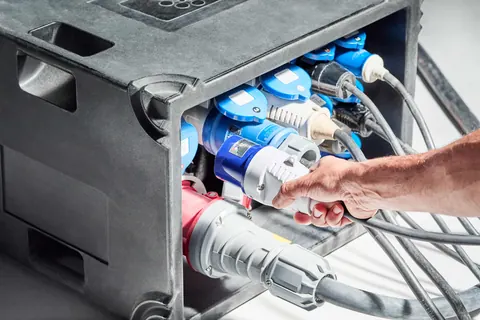
A properly equipped studio reduces that transport and setup burden. In-house lighting and grip mean crews can adapt quickly if the shot changes. A ceiling grid can keep fixtures off the floor and speed up re-lighting. Reliable power, technical support and the option to pre-light or pre-rig are particularly valuable on film shoots, where every interruption has a cost.
This is where headline hire rates can mislead. A cheaper daylight studio may become the more expensive option once you account for equipment hire, delivery, crew time and the risk of losing daylight before the work is complete.
Access, parking and schedule pressure
Access is one of the least glamorous considerations, and one of the most consequential. A daylight studio on an upper floor with a narrow lift may be fine for a small camera kit. It is not ideal for large product deliveries, bulky props, set flats, generators, wardrobe rails or a vehicle.
Ground-floor shutter access and drive-in capability change the way a production can operate. They reduce manual handling, shorten load-in times and make larger creative ideas practical. Free parking also matters in London, where repeated unloading, crew travel and equipment vehicles can erode both budget and patience.
A 24/7 studio can be equally valuable. It gives crews flexibility to pre-rig the night before, shoot around talent availability or work without the pressure of a hard building close. Daylight studios are inherently tied to daylight hours if natural light is central to the brief. That can make winter shooting windows particularly tight.
When a daylight studio is the better choice
Choose daylight when natural light is not just acceptable but central to the visual idea. It suits intimate portraits, small fashion stories, creator content, tabletop food photography and lifestyle-led product imagery where a relaxed, real-world setting is the point.
It is also a sensible choice for a lean crew with a short shot list. If you can shoot near the windows, keep the styling light and accept minor changes in light, the space can deliver a strong result efficiently. The key is to build the schedule around the available light rather than treating it as guaranteed.
Book a daylight studio with a clear plan for weather changes. Bring controllable supplementary light where possible, check the orientation of the windows, and ask what obstructs the light outside. A bright listing photo is not a lighting specification.
When a controlled photo studio is the stronger option
Choose a purpose-built photo studio when consistency is part of the deliverable. That includes catalogue and e-commerce photography, packshots, beauty campaigns, branded video, music videos, product launches, interviews and any production with multiple set-ups or a substantial client team.
It is also the more practical option when you need to build, rig, black out, shoot with controlled colour, or move heavy equipment and props efficiently. The larger the crew and the more outputs you need from one day, the more valuable technical readiness becomes.
For example, Cineview Studios is designed for productions that need more than an attractive room: high ceilings, practical access, studio lighting infrastructure and space to move from a clean cove shoot to a built set or motion set-up without changing location.
Ask these questions before booking
Before committing to either space, establish whether the studio can be fully blacked out, what equipment is included, how much usable shooting floor you have and whether there is room for your full crew. Confirm ceiling height, loading access, parking, power provision, noise conditions for sound recording and the exact hours available for load-in, pre-light and wrap.
If natural light is part of the plan, ask which direction the windows face, when direct sun enters, whether neighbouring buildings block light and whether the studio has curtains or blackout. If you are shooting video, ask whether the space has uncontrollable street noise, heating noise or reverberation.
The best studio is the one that removes obstacles before they reach set. Choose daylight for atmosphere when your brief can embrace the variables. Choose a controlled photo studio when the creative needs to be repeatable, scalable and delivered on schedule. That decision gives your crew more time to make better work, rather than spending the day negotiating the room.