
Choosing a Studio for Branded Content Shoots
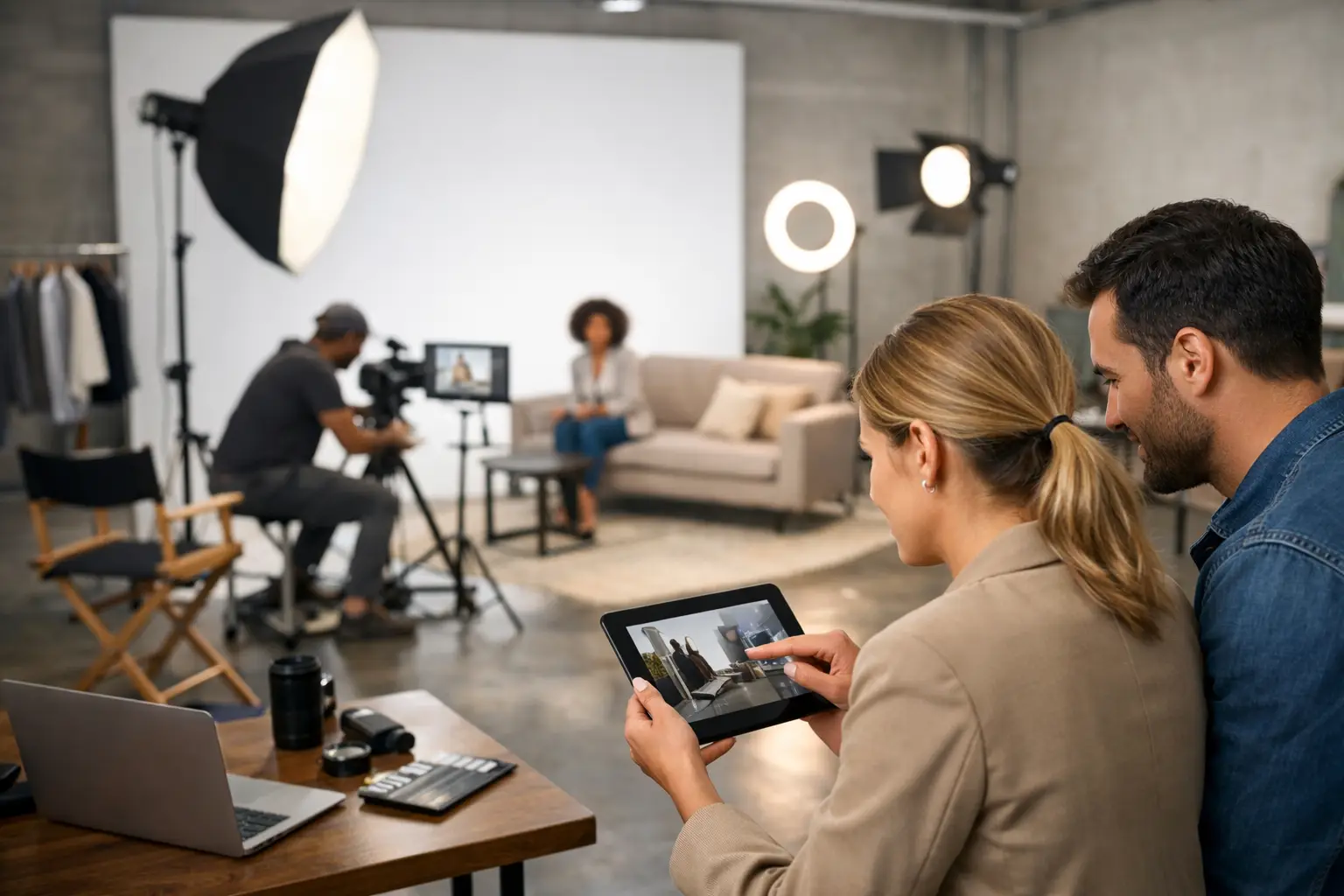
Table of Contents
ToggleA studio for a branded content shoot has to do more than look good on camera. It needs to keep the production moving when the shot list changes, a client adds a product variation, the art department needs another hour, or the crew needs to bring in larger kit. For agencies, brands and production teams, the right space protects both the creative idea and the budget.
Branded content sits in an awkward middle ground. It often needs the finish of a commercial, the pace of social production and the flexibility to create multiple assets in a single day. A studio that is too small, too restrictive or poorly equipped quickly turns that efficient plan into overtime, compromises and a smaller final deliverable.
What a studio for branded content shoots must support
The first question is not whether a studio has a white wall. It is whether the facility can support the production you are actually planning. A product launch film, a creator-led campaign, a fashion lookbook and a fast-turnaround social series all place different demands on space, lighting and access.
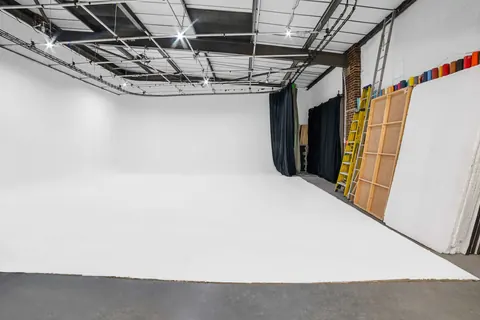
For most branded content, physical scale gives the production room to make better decisions. High ceilings allow for a proper lighting setup rather than forcing fixtures into the frame or flattening the image. A lighting grid reduces time spent building stands around talent, set pieces and camera moves. Enough depth lets the director and cinematographer choose lenses for the look, rather than because the back wall is too close.
That extra room matters even on shoots with modest crews. A client monitor position, a styling rail, product stock, food prep, a DIT station and a quiet area for talent can quickly consume a small London studio. If those essentials spill onto the shooting floor, the set becomes harder to work in and every reset takes longer.
Access is a production issue, not an admin detail
Many studio bookings look workable until load-in. If a crew must carry cases, flats, furniture and stock through a narrow entrance or up several flights of stairs, the day begins with lost time and unnecessary handling risk. This is particularly relevant for branded campaigns involving vehicles, large products, set builds or multiple wardrobe changes.
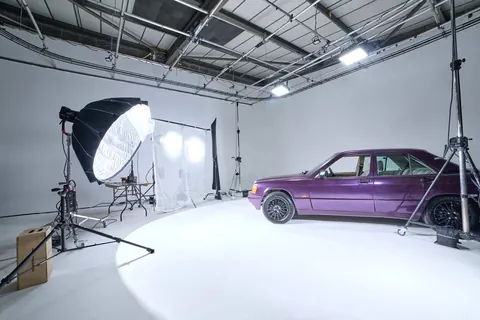
Ground-floor shutter access changes the workflow. Equipment can move directly from the vehicle to the studio, while larger props and scenery can be brought in without dismantling them first. Drive-in capability is valuable when a vehicle is part of the creative, but it also makes a major difference for productions with heavy grip, bulk product deliveries or ambitious art direction.
Free on-site parking is equally practical. It gives crew, suppliers and clients a dependable arrival point rather than a daily battle with London loading restrictions. For a shoot with several departments, that certainty can be the difference between a calm call time and a delayed first setup.
Build the lighting plan around the campaign, not the room
Branded content rarely uses one lighting approach all day. A campaign may need polished hero imagery in the morning, vertical social films after lunch and product cut-downs before wrap. The studio should accommodate those changes without forcing a complete rebuild each time.
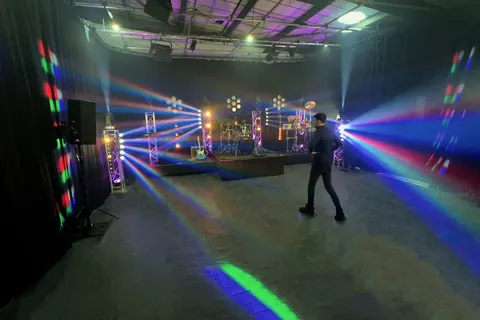
A blacked-out space gives the crew control over daylight and consistency across a long shooting day. That is essential when content must match across formats, episodes or multiple shoot dates. It also makes it easier to create stronger contrast, colour-led looks and practical lighting effects without fighting unwanted spill from windows.
An infinity cove studio is useful when the brief calls for clean, versatile backgrounds, especially for fashion, beauty, e-commerce and product-led work. However, a cove alone is not a guarantee of a better shoot. Check its usable size, the condition of the surface, the clearance above it and whether the studio allows enough room to light it properly. A cramped cove can leave the crew with little choice beyond a flat, generic result.
In-house lighting and grip equipment can substantially improve cost control, but only when the kit is fit for purpose and available when needed. Hiring core equipment from the studio reduces deliveries, collection windows and the number of suppliers to coordinate. It also helps smaller teams step up production value without committing a disproportionate share of the budget to external hire.
Choose flexibility over a studio that only suits one setup
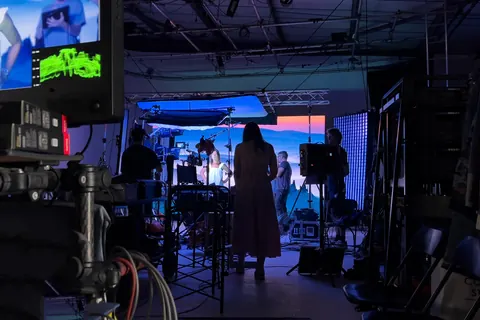
The strongest branded content studios support simple shoots and complex productions with equal confidence. One day might involve a tabletop setup with a small crew. The next could require a constructed living room, motion control, a vehicle, green screen studio work or a virtual production studio environment.
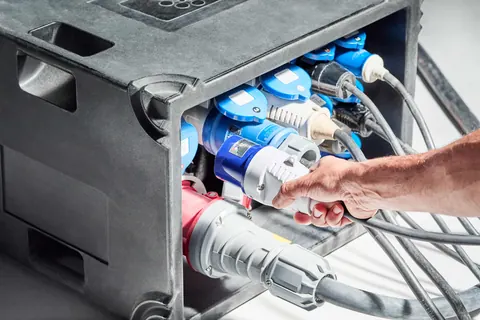
That flexibility matters because branded content often evolves late. A client may want to add an interview setup, capture stills alongside film, or create more social assets while the talent is already on set. A studio with multiple workable zones, adequate power, high ceilings and room for departments allows production to respond without losing control of the day.
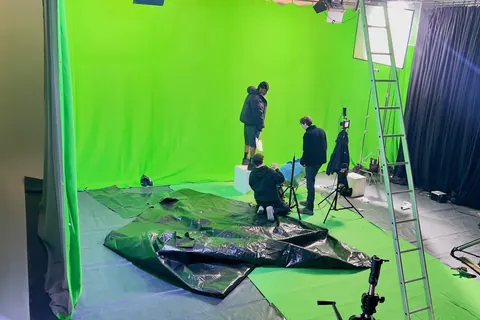
Green screen studio is useful for campaigns that need controlled compositing, graphic worlds or post-production flexibility. It is not always the right answer. If the final result needs natural interaction with physical surfaces, a practical set may be faster and more convincing. The best facility gives the production team the option to choose based on the creative and post-production plan, rather than imposing a technical workaround because there is no alternative space.
Set-build suitability is another dividing line. Branded work increasingly needs distinctive environments that do not look like a recognisable hired location. If you are building, confirm floor load, access for materials, working hours, build and strike time, and whether pre-rigging can be arranged. A studio that welcomes builds can save a production from having to simplify the concept before cameras even roll.
Budget for time saved, not just the day rate
A low studio day rate can be expensive if it creates extra crew hours, external equipment costs, delayed deliveries or limitations that reduce the number of assets captured. Conversely, a fully equipped studio may cost more upfront but allow the team to shoot additional formats, switch setups faster and avoid separate location hire.
The useful comparison is total production cost. Include studio hire, parking, equipment, access, build time, power, cleaning, overtime potential and travel between suppliers. Then consider what the space allows you to achieve in one day. For a brand team, producing stills, hero film, paid social versions and behind-the-scenes material from the same shoot can make the studio choice commercially significant.
This does not mean every campaign needs the largest possible space. A straightforward packshot shoot with a compact crew may be better served by a smaller setup. The point is to hire for the real production requirement, including the assets you may need once the client sees the first setup working well.
A client-ready environment keeps decisions moving
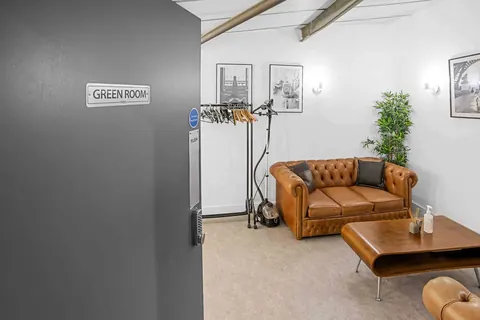
Branded shoots usually have more stakeholders than editorial shoots. Agency creatives, brand marketers, product teams and talent representatives may all need to review work on the day. They need a comfortable place to watch, discuss and approve without standing in the path of the crew.
A professional studio should support that dynamic without making the production feel over-formal or difficult to manage. Reliable facilities, practical working areas and a team that understands pre-lighting and pre-rigging help the crew stay focused on the work rather than solving avoidable site issues. At Cineview Studios, that production-first approach is built around the needs of commercial crews, from ground-floor access and parking to large-scale shooting space and flexible technical setups.
Before confirming a booking, talk through the actual shoot rather than simply requesting a rate card. Share the number of crew, camera package, lighting plan, set requirements, talent count, vehicle or prop needs and expected delivery schedule. The response will tell you whether the studio is merely available or genuinely prepared to support the day.
A good branded content shoot should leave the production with more than the original brief asked for: cleaner hero assets, useful variations, vertical cut-downs and enough material to keep the campaign working after launch. Choose a space that gives your team the room, access and control to make those extra moments possible.