
Commercial Photoshoot Production Guide for London

Table of Contents
ToggleA commercial photoshoot production guide should begin with the practical pressures that decide whether a shoot runs smoothly: what has to be made, how much space it needs, who needs access and how quickly the set must turn around. A strong creative idea can still lose impact when the studio is cramped, the lighting plan cannot be rigged properly or the delivery arrives late with nowhere to unload.
Commercial shoots are expensive because multiple people, departments and decisions must work at the same time. The most effective productions control that complexity before call time. That means choosing a facility for its workflow, not just its appearance, then building a schedule that protects the crew’s working hours and the client’s budget.
Start with the deliverables, not the moodboard
A moodboard is useful for agreeing tone, colour and visual references, but it is not a production plan. Before booking a studio, establish exactly what the campaign requires: final image formats, aspect ratios, product variations, talent looks, social cut-downs and any video capture running alongside stills. A single hero image may need a very different setup from a product range with 40 SKUs or a campaign producing portrait, landscape and vertical assets in one day.
This is where production value and efficiency either meet or compete. If every deliverable needs a fresh build, allow the time and crew for it. If the campaign can use one adaptable set across several assets, plan the art direction around fast changes. Do not assume a larger studio automatically creates a longer day. It should create more options, better separation between departments and fewer compromises around camera position, lighting and set storage.
Write a brief that gives each department a usable answer to the same questions: what is being shot, who signs it off, what must be ready first, and what cannot move once approved. The more specific this document is, the less time is lost interpreting feedback on set.
Build the commercial photoshoot production schedule backwards
Your shoot day is only one part of the booking. Commercial photoshoots often need pre-lighting, set dressing, equipment testing, client viewing time and a controlled pack-down. Treat these as production hours, not favours that can be squeezed into the margins.
Start with the delivery deadline and work backwards through retouching, client approvals, selects, capture and setup. Then account for the moments teams routinely underestimate: parking and unloading, safety checks, steaming wardrobe, hair and make-up, talent arrivals, product preparation, catering breaks and client feedback. A schedule with no contingency is not efficient. It is simply optimistic.
For a typical studio campaign, pre-lighting the day before can be better value than holding a large crew while the lighting team builds on the morning of the shoot. It allows the photographer and director of photography to test exposure, reflections and camera angles before the full team arrives. That said, pre-lighting only works when the studio can support secure access, a proper lighting grid and enough room to leave kit and set elements in place.
Agree the decision-making structure in advance. The client needs to know who has authority to approve framing, styling, colour and performance. When six people give notes directly to the photographer, each change becomes slower and more expensive. One clear client lead keeps the shoot moving while still giving stakeholders confidence in the result.
Choose a studio that supports the actual workflow
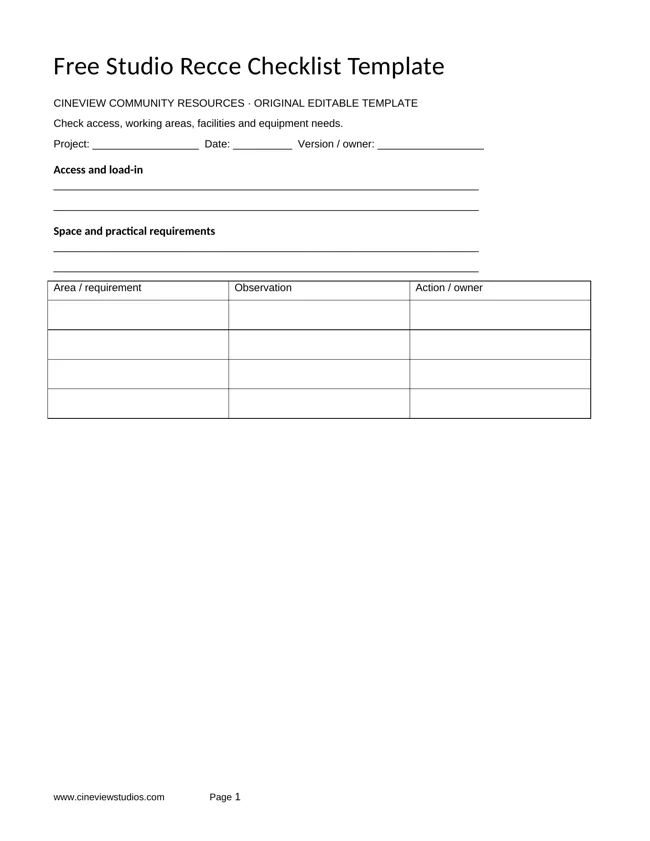
A studio should solve problems before they reach the set. For commercial work, look beyond the advertised floor area and assess ceiling height, rigging options, blackout capability, access routes, power, holding space and the equipment included with hire. These details determine whether your crew can work cleanly and safely.
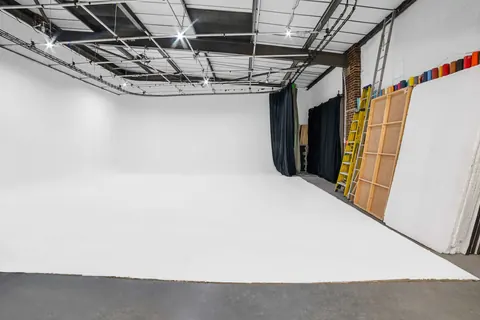
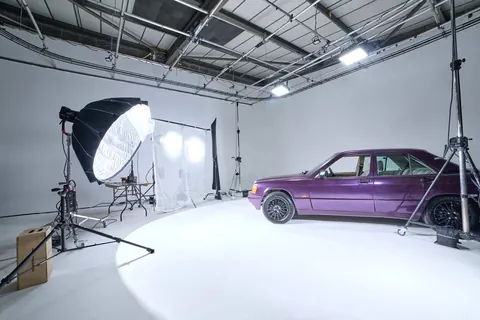
High ceilings and a lighting grid give the team far more control over light direction and spill than low-ceiling spaces with stands crowded around the set. Blackout matters when lighting consistency is critical, particularly for products with reflective surfaces, food, beauty work and video. An infinity cove can reduce post-production clean-up and deliver a polished campaign finish, but only if it is large enough for the subject, set, camera distance and light placement required.
Access deserves the same scrutiny as the shooting area. A drive-in or ground-floor shutter entrance changes the logistics of large props, furniture, vehicles and heavy grip. It reduces carrying time, protects the schedule and makes a more realistic turnaround possible. Free parking and straightforward loading are not minor conveniences in London. They are practical controls on overtime and crew fatigue.
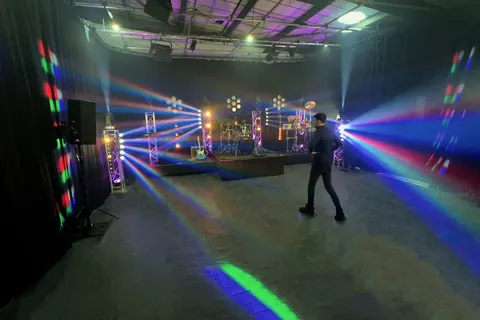
At Cineview Studios, the combination of ground-floor access, high ceilings, blackout capability, a large cove and in-house lighting and grip supports productions that need more than a visually appealing room. It gives teams the operational space to build, rig, shoot and reset without forcing every decision around physical limitations.
Plan lighting around the product and the pace
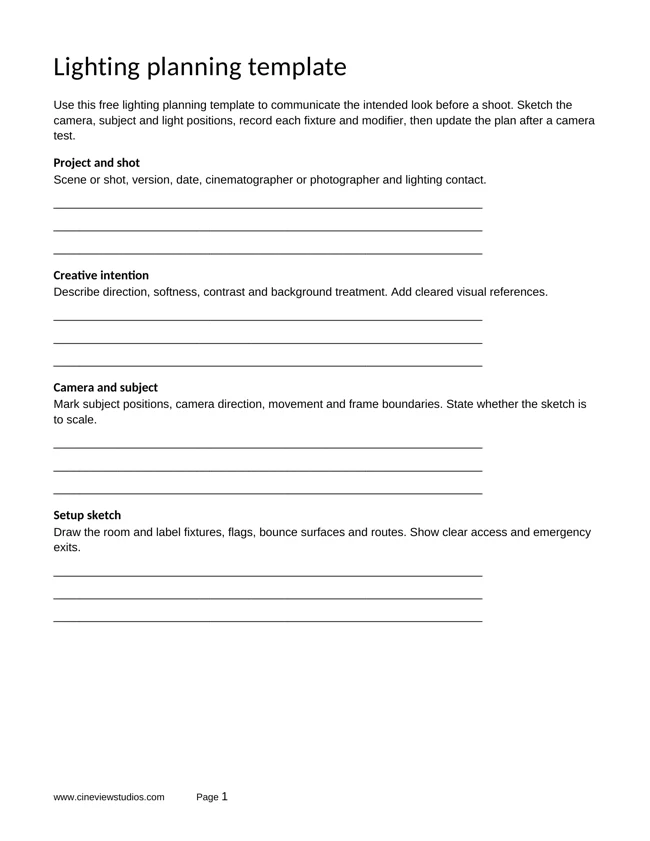
Lighting should be decided by the brief, not by habit. A beauty campaign may demand soft, controlled sources and exact skin-tone consistency. Automotive or metallic products need considered reflections and enough distance to shape them. E-commerce can benefit from repeatable, tightly documented setups that maintain consistency across a large range of products.
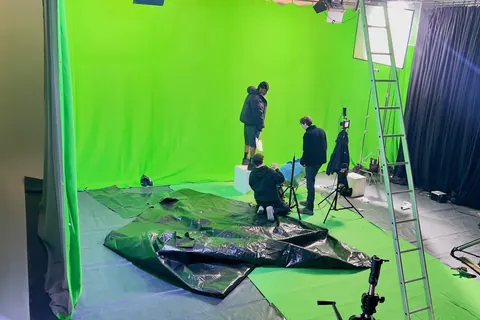
Ask the photographer, director of photography and gaffer to identify which elements need testing before the shoot. These can include reflective packaging, transparent liquids, coloured gels, projected backgrounds, green screen spill or a practical light source that must appear in frame. A test can reveal whether a visual reference is achievable within the available budget, or whether the creative needs adjusting before build day.
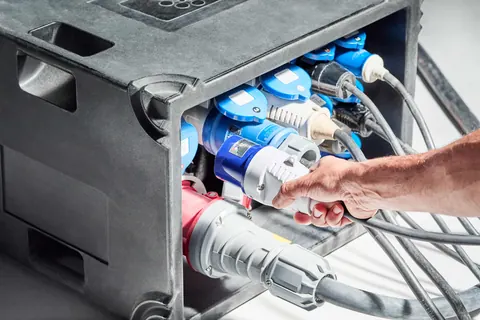
Equipment availability also affects the plan. Hiring every modifier, stand and power distribution item separately adds cost and creates more delivery risk. A studio with a serious in-house lighting and grip inventory can simplify prep, although the team should still confirm quantities, condition and compatibility with the intended setup. For more complex shoots, a lighting plot and kit list should be signed off before the crew arrives.
Give every department room to work
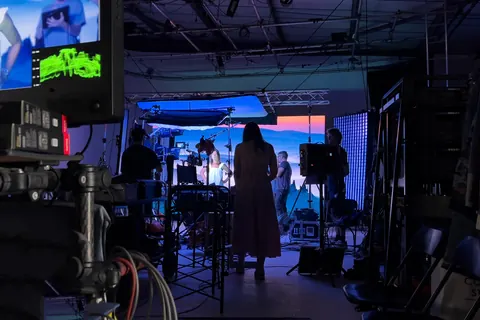
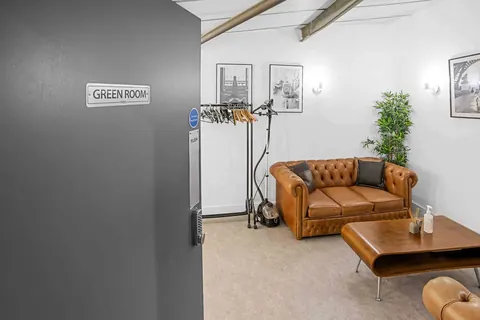
A commercial set fails when departments compete for the same square metres. Styling needs product rails and prep surfaces. Hair and make-up need good light, seating and a quiet area. The digital operator needs a stable workstation close enough to review capture. Clients need a comfortable position to view the work without standing in the shot team’s path.
Separate these zones wherever possible. It keeps the shooting area clear, protects concentration and makes health and safety easier to manage. If the space is too tight to accommodate these functions, the apparent saving on hire can disappear through slower setup, restricted shots and longer days.
For talent-led campaigns, plan the movement from arrival to set. Build in privacy for changing, time for touch-ups and a clear route that does not require talent to pass through a loading area or active build. For product shoots, create a labelled staging system so prepared items, selected items and completed items never get mixed. Small controls prevent expensive reshoots.
Protect the budget with clear contingencies
The right contingency is specific. Instead of adding a vague extra hour, identify the risks most likely to affect this production. A food shoot may need replacement ingredients and refrigeration. A fashion shoot may need a backup stylist kit and a plan for late samples. A build-heavy campaign may need additional hands, spare materials and time for repairs.
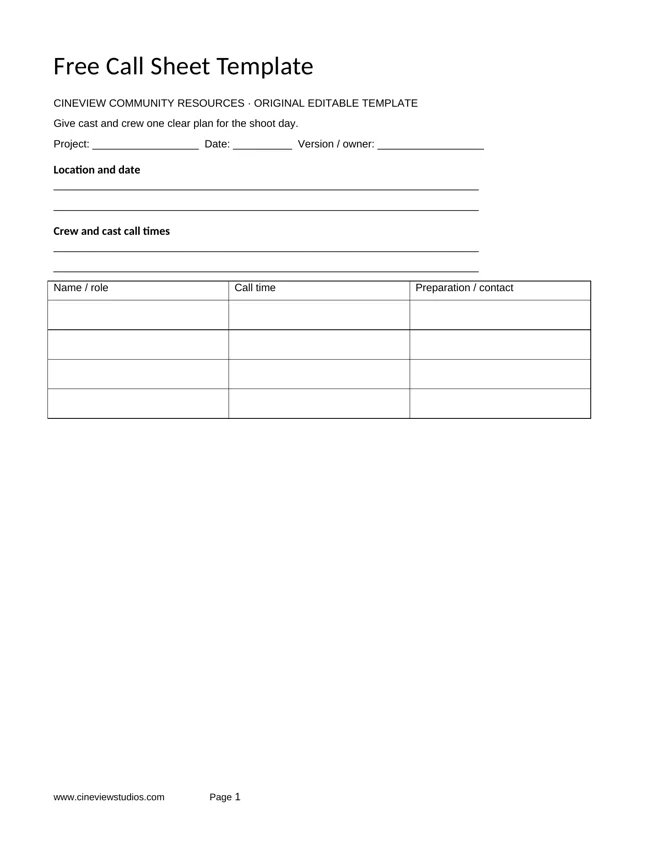
There are four areas worth confirming before the final call sheet:
- delivery windows, loading instructions and a named person responsible for each supplier;
- equipment responsibilities, including who checks hired kit at collection and wrap;
- weather, travel and talent backup arrangements for location-dependent elements; and
- client approval points, so the crew knows when to hold, proceed or move to the next setup.
Keep these decisions in the call sheet and production schedule, not in an informal message thread. Everyone from the producer to the runner should be working from the same version of the day.
Finish with a controlled wrap, not a rushed exit
Wrap is where a disciplined production protects its next job. Capture should be backed up and verified before the crew leaves. The art department should photograph set layouts if reshoots or pickup shots are possible. Equipment needs checking against the hire list, while the studio should be cleared according to the agreed handover time.
Allow time to review what has been completed against the shot list. This is particularly useful when a client has approved variations during the day that were not in the original plan. Recording those changes prevents confusion once the selects reach post-production.
The best commercial shoots feel calm because the hard decisions were made early. Give the creative team room to create, give the crew the access and equipment to work properly, and let the studio function as part of the production rather than another problem to manage.