
How to Shoot a Music Video: Guide & Best Practices
The Studio Journal / Production Guides
Updated
A strong track. A clear visual idea. A shoot you can deliver. Learn how to shoot a music video with purposeful lighting, the right equipment and a plan that keeps your budget under control.
01 / THE CONCEPT
What Elements Define a Modern Music Video?
A music video brings a track to life through performance, story, movement or a combination of all three. It can unfold in a single studio setup or across several locations. The strongest starting point is a visual idea that fits the artist and the music.
Before choosing a camera, agree the mood, audience and final delivery formats. Build a short treatment with references for colour, wardrobe, lighting and camera movement. Decide which moments need a wide performance shot, a close-up or a narrative detail so your edit has purposeful coverage.
For a professional music video shoot within budget, choose fewer setups and allow time to light, rehearse and capture them properly. A focused concept is easier to schedule than a long list of unfinished ideas.
Turn the Track Into a Shoot Plan
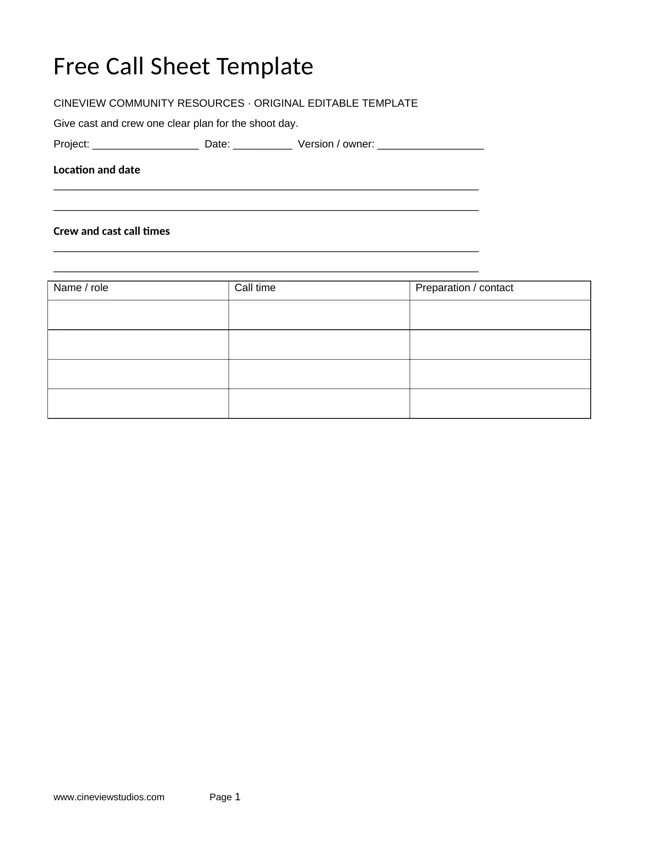
Mark the verses, choruses and key changes, then map your shots to those sections. Share a shot list and call sheet with the artist and crew. Include setup time, rehearsals, breaks, costume changes and the time needed to pack down.
02 / THE ESSENTIALS
Essential Equipment Needed for a Professional Music Video Shoot
Knowing how to shoot a music video using proper gear starts with choosing equipment for the shots you actually need. An expensive camera alone will not create a polished result. Controlled lighting, reliable focus, a strong performance and an organised workflow matter just as much.
Camera & Lenses
Choose a camera you can operate confidently and lenses suited to the space. Test focus, exposure, batteries and recording media before the shoot. A capable phone can work for a simple concept when the lighting and framing are considered.
Lighting & Modifiers
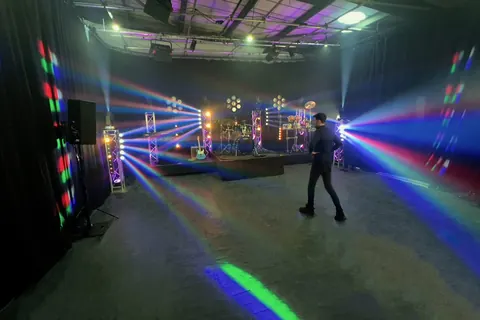
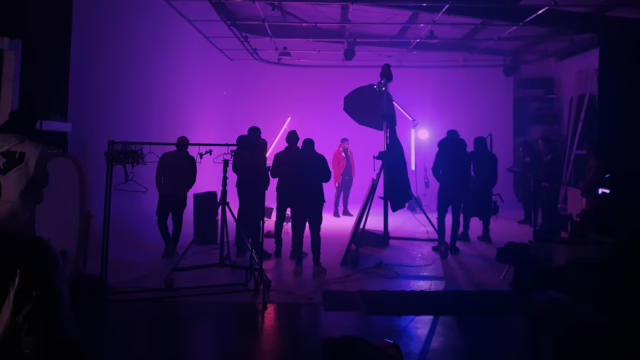
Plan a key light, then decide whether the scene needs fill, a backlight or a lit background. Diffusion, flags and reflectors help shape the image. Test dimmed or coloured fixtures with your chosen recording settings for flicker.
Playback & Monitoring
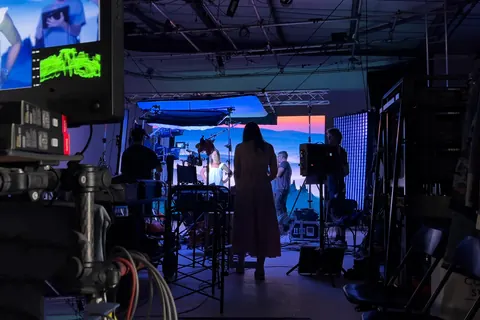
Use the agreed version of the track for playback and allow a clear sync reference at the start of takes. Check framing and focus on a monitor when available. Record complete performance passes for useful editing coverage.
Support & Media
Bring a suitable tripod, enough charged batteries and sufficient recording media. Give someone responsibility for organised file naming and verified backups so footage is protected throughout the day.
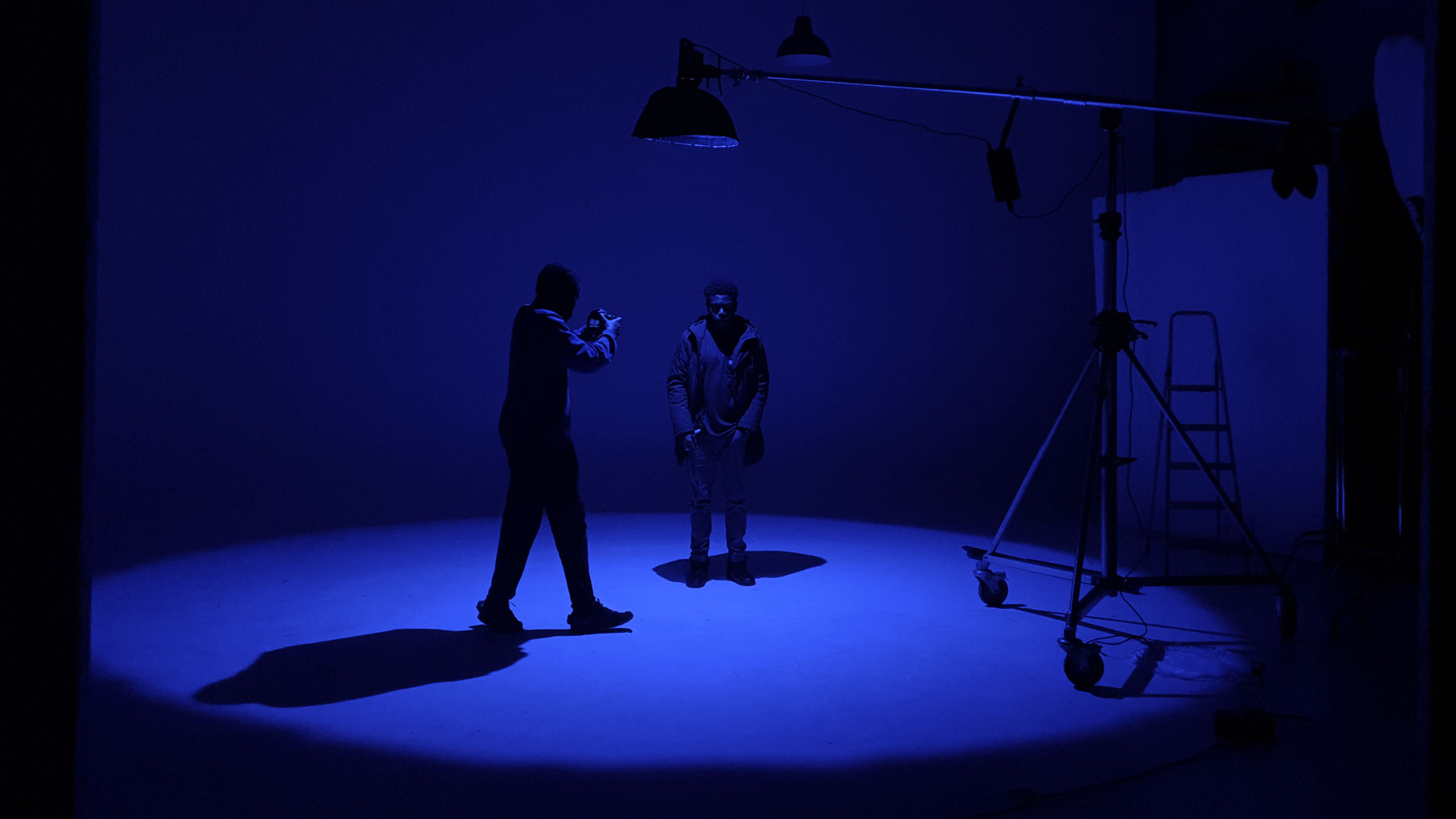
Build the Lighting Before Adding More Fixtures
Place your main light and check how it falls on the artist. Adjust its angle, distance and softness before adding another source. Use flags to control spill and keep the artist separated from the background. Take a reference frame for continuity when you move to the next shot.
Explore the In-House Lighting & Grip List ↗03 / MOVEMENT & CONTROL
Advanced Grip & Gear Options for Your Music Video Project
Add specialist equipment when it serves the treatment. Each extra rig needs setup time, working space and someone who can operate it. Discuss your shot list with the director of photography and studio team before confirming the hire.
- Gimbal: useful for planned moving shots around a performer. Allow time to balance, rehearse and check the route.
- Track and dolly: useful for repeatable camera moves. Check the available floor area and include track setup in the schedule.
- RGB fixtures and colour gels: useful for designing a consistent colour palette. Test colours against skin tones and wardrobe.
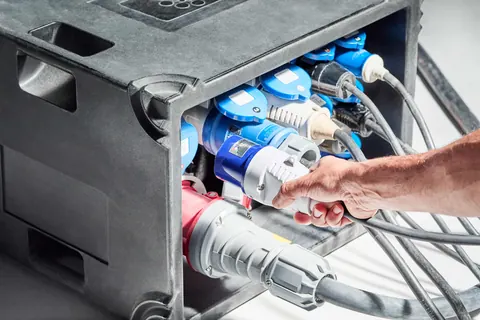
- Stands, clamps and flags: essential for positioning lights and controlling spill. Use suitable support, secure cables and have competent crew handle rigging.
- Diffusion and negative fill: useful for controlling softness and contrast without adding more lights.
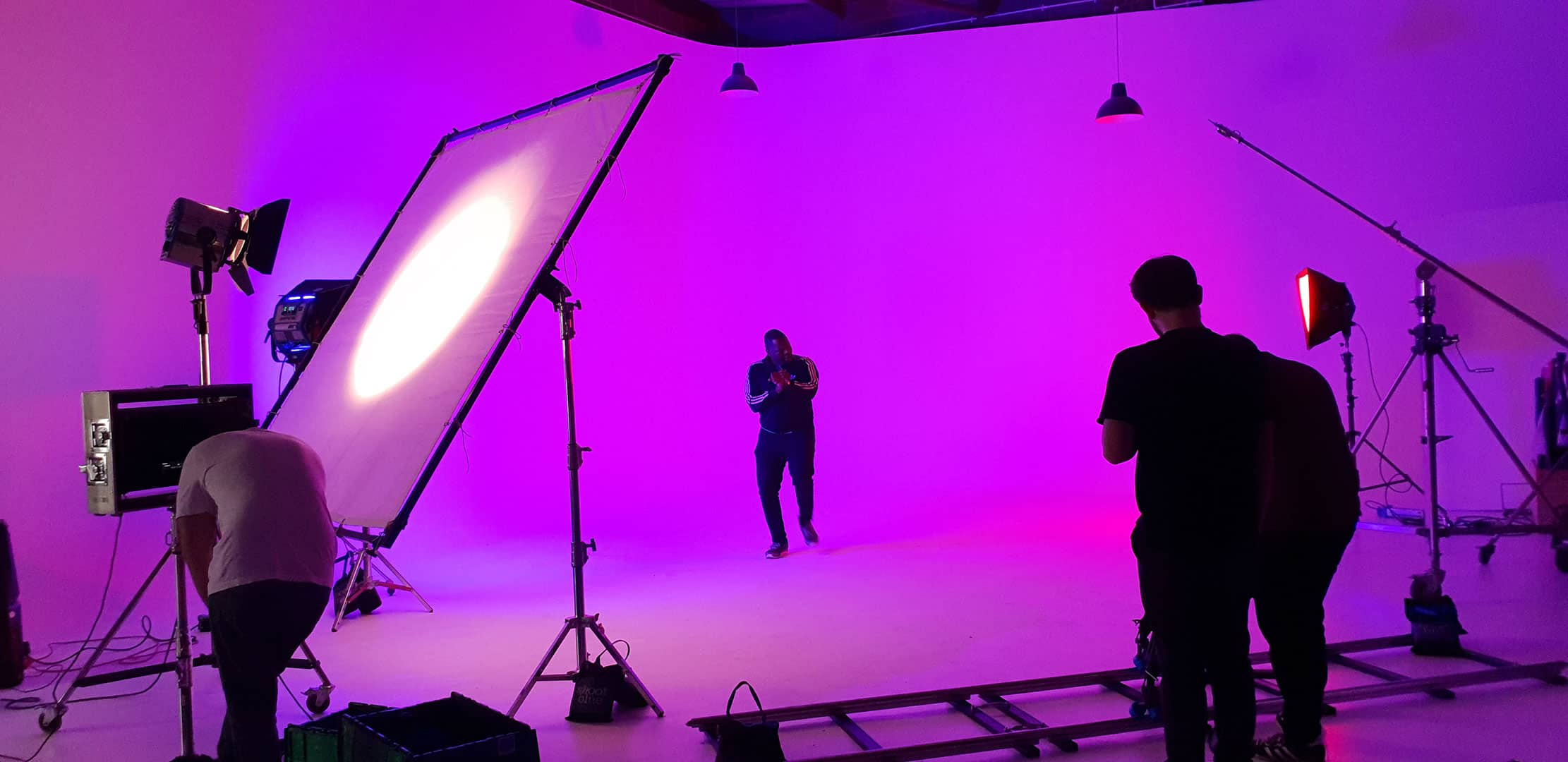
Before adding a rig, ask what it contributes to the finished video and how long it takes to prepare. Rehearsal and reliable coverage often deliver more value than another piece of equipment.
04 / THE SPACE & THE BUDGET
Booking a London Music Video Studio Within Your Budget
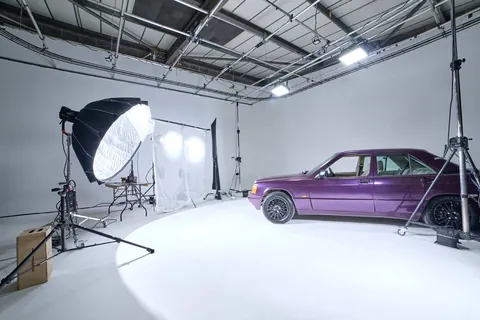
A studio gives you a controlled environment for performance, choreography and built scenes. Compare the full production cost: space, lighting, grip, crew, set preparation, travel, load-in and pack-down. Confirm what is included, what costs extra and the access time your schedule needs.
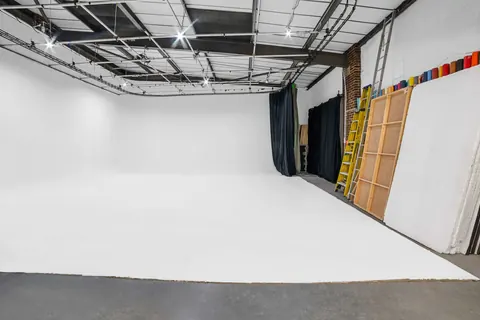
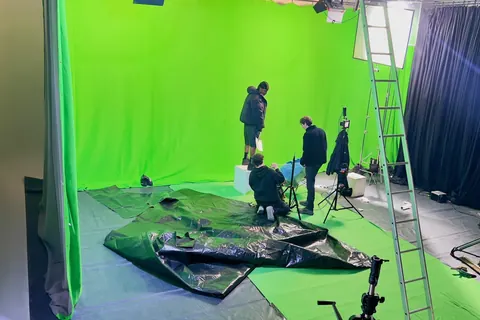
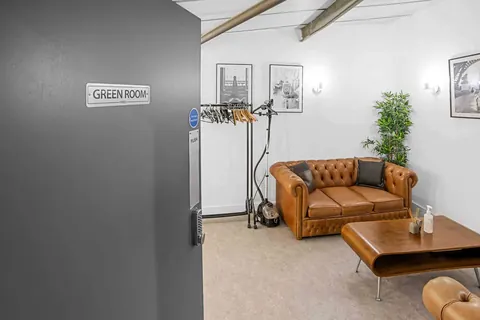
For music video studio hire in London, Cineview Studios offers a Greenwich production space with an infinity cove, blackout options, green screen and ground-floor access. Share your references and crew requirements so the team can help you assess a workable setup.
Send a Brief That Makes the Quote Useful
- Your preferred date, booking duration and expected crew size.
- The track’s visual treatment, lighting references and planned backdrops.
- Any equipment, props, vehicles or set construction you need.
- Your setup, rehearsal, filming and pack-down schedule.
FROM THE GUIDE TO YOUR NEXT SHOOT
Bring Your Music Video Idea to the Studio.
Tell us the look, date and equipment you have in mind. We’ll discuss the space and availability around your production.
STUDIO HIRE FOR MUSIC VIDEOCineview Studios · Greenwich, London